Almost everyone has experienced it at least once: just as you’re drifting off to sleep, your body suddenly jerks awake with the unsettling feeling that you’re falling. Your heart may race, your muscles tense, and sleep feels suddenly far away. While this sensation can be startling, doctors say it is usually harmless and surprisingly common. Understanding why it happens can help ease anxiety and improve sleep quality.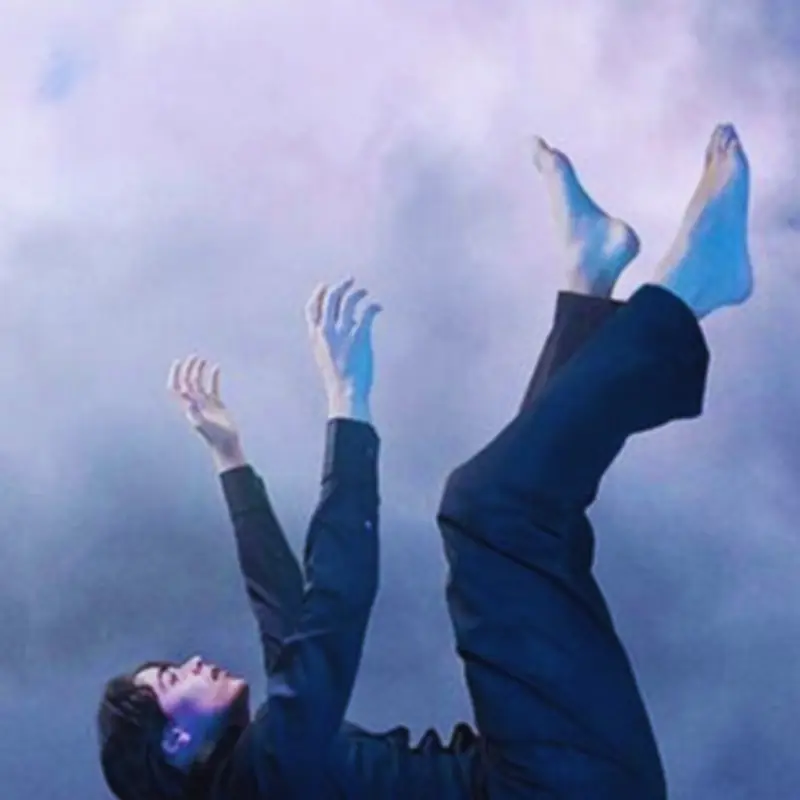
This phenomenon is known as a hypnic jerk, also called a sleep start. It typically occurs during the early stages of sleep, when the body is transitioning from wakefulness into light sleep. During this phase, the brain begins to slow down, muscles relax, and breathing becomes more regular. Occasionally, this transition doesn’t go smoothly, triggering the sensation of falling.
Doctors explain that hypnic jerks happen when the brain misinterprets the body’s relaxation. As muscles loosen and heart rate slows, the brain may mistakenly perceive these changes as a loss of balance or a threat. In response, it sends a sudden signal to the muscles to contract, jolting the body awake. The falling sensation is essentially the brain’s interpretation of this abrupt muscular reaction.
From an evolutionary perspective, some researchers believe hypnic jerks may be a leftover survival reflex. Early humans often slept in trees or unstable environments, where sudden relaxation could mean falling. The brain’s instinctive response to “catch” the body may have helped prevent injury. While modern humans no longer face these dangers, the reflex may still persist.
Stress and lifestyle factors can increase the likelihood of experiencing hypnic jerks. Doctors note that people who are overtired, anxious, or under significant stress tend to experience them more often. High levels of mental activity before bedtime can keep the nervous system on alert, making the transition into sleep less smooth. Similarly, caffeine, nicotine, and other stimulants can interfere with the brain’s ability to relax properly.
Sleep deprivation is another major factor. When the body is extremely tired, it may enter sleep more rapidly, causing the brain and muscles to fall out of sync. This abrupt shift increases the chance of a hypnic jerk. Ironically, worrying about falling asleep after experiencing one can create a cycle of anxiety that makes the sensation more likely to happen again.
In most cases, hypnic jerks are completely normal and not a sign of any underlying medical condition. Doctors emphasize that they are different from sleep disorders such as sleep apnea or seizures. However, if these episodes occur very frequently, disrupt sleep regularly, or are accompanied by other symptoms such as daytime fatigue, muscle weakness, or confusion, a medical evaluation may be helpful.
There are several practical steps people can take to reduce the frequency of hypnic jerks. Establishing a consistent sleep schedule helps regulate the body’s internal clock. Reducing caffeine and heavy meals in the evening allows the nervous system to calm down naturally. Relaxation techniques such as deep breathing, gentle stretching, or meditation before bed can also ease the transition into sleep.
Creating a comfortable sleep environment plays an important role as well. A dark, quiet room and a comfortable mattress can help signal to the brain that it is safe to relax. Limiting screen time before bed reduces exposure to blue light, which can stimulate the brain and delay sleep onset.
Ultimately, the falling sensation during sleep is a reminder of how complex and delicate the process of falling asleep truly is. The brain and body must coordinate multiple systems at once, and small disruptions can create dramatic sensations. While unsettling, hypnic jerks are usually harmless and temporary.
Understanding the science behind this experience can make it less frightening. Instead of fearing the sensation, recognizing it as a normal response allows the body to relax and return to rest. For most people, a few simple lifestyle adjustments are enough to make these nighttime surprises far less frequent, leading to calmer nights and better sleep overall.