In recent months, watercress has captured global attention after headlines and social media posts suggested that this humble leafy green may “fight cancer better than drugs.” The excitement has sparked curiosity, debate, and confusion. While such claims are often exaggerated, scientists agree that watercress (Nasturtium officinale) is a remarkably nutritious vegetable with compounds that may support the body’s natural defenses against cancer. Understanding what the science actually says is essential for separating fact from hype.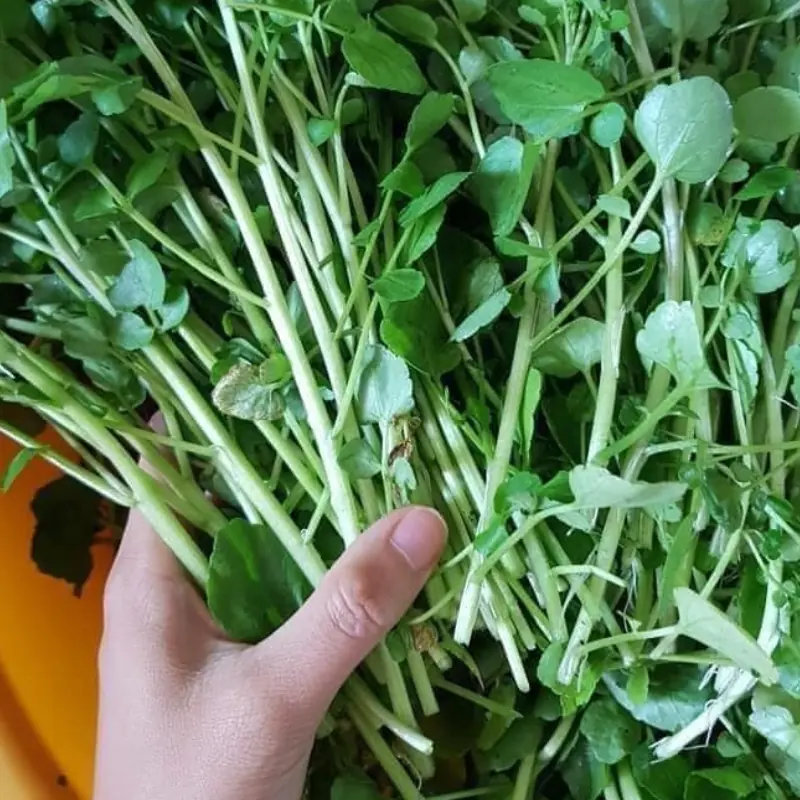
Watercress has been consumed for centuries and is widely cultivated across Europe, Asia, and the Americas. Often used in salads, soups, and sandwiches, it belongs to the cruciferous vegetable family, which includes broccoli, kale, and cabbage. These vegetables are well known for their health benefits, particularly their potential role in cancer prevention.
At the center of watercress’s reputation is a compound called phenethyl isothiocyanate (PEITC). PEITC is formed when watercress is chopped or chewed, activating natural plant enzymes. Laboratory studies have shown that PEITC can interfere with processes involved in cancer cell growth, reduce inflammation, and help protect DNA from damage caused by carcinogens. These findings have led researchers to explore watercress as a promising dietary component in cancer prevention research.
Several studies have found that consuming watercress may increase the body’s antioxidant capacity. Antioxidants help neutralize free radicals—unstable molecules that can damage cells and contribute to cancer development over time. Watercress is also rich in vitamins A, C, and K, along with minerals such as calcium and potassium, all of which support immune function and overall health.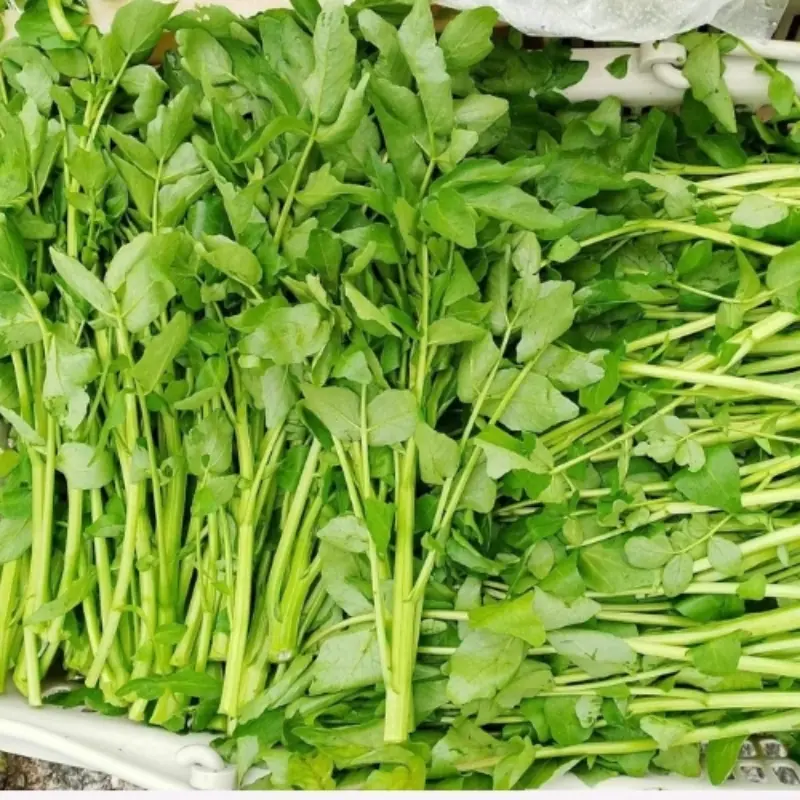
One small human study observed that people who regularly ate watercress showed reduced DNA damage in blood cells after exposure to certain carcinogens. While this does not mean watercress can cure cancer, it suggests that the vegetable may help the body better defend itself against cellular damage. These findings help explain why watercress has become the focus of so much scientific interest.
However, experts caution against interpreting these results too literally. Claims that watercress fights cancer “better than drugs” are misleading. Cancer drugs are developed to treat existing disease and target specific biological pathways under controlled conditions. Vegetables like watercress, by contrast, work indirectly by supporting overall health and reducing risk factors over time. They are not a replacement for medical treatment, chemotherapy, or targeted therapies.
Doctors emphasize that the real value of watercress lies in prevention, not cure. Diets rich in fruits and vegetables are consistently associated with lower cancer risk, and cruciferous vegetables appear particularly beneficial. Watercress contributes to this protective effect as part of a balanced diet, alongside other healthy lifestyle habits such as regular exercise, avoiding smoking, and maintaining a healthy weight.
Another reason watercress has gained attention is its impressive nutrient density despite being low in calories. This makes it easy to incorporate into daily meals without dietary downsides. It can be eaten raw in salads, blended into smoothies, or lightly cooked in soups and stir-fries. Light preparation is often recommended to preserve its beneficial compounds.
Health professionals also note that sensational headlines can unintentionally cause harm if they lead people to distrust proven medical treatments. “Natural foods can support health, but they are not miracle cures,” many doctors warn. Patients undergoing cancer treatment should always follow medical advice and discuss any dietary changes with their healthcare providers.
So why is the world buzzing about watercress? Because it represents a broader shift in how people think about food as medicine. As research continues to uncover how plant compounds interact with the human body, vegetables like watercress remind us that everyday foods can play a powerful role in long-term health.
In conclusion, watercress is not a magic bullet against cancer, but it is a highly nutritious vegetable with promising properties that support cellular health. The excitement surrounding it reflects growing interest in prevention and wellness rather than a scientific breakthrough replacing modern medicine. When enjoyed as part of a varied, balanced diet, watercress can be a valuable ally in supporting the body’s natural defenses—quietly powerful, but not miraculous.