
7 Warning Signs of Late-Stage Stomach Cancer You Should Never Ignore
Stomach cancer, also known as gastric cancer, is often called a silent disease because its early symptoms are vague and easily mistaken for common digestive problems. Unfortunately, many people are only diagnosed when the disease has already reached an advanced stage. At that point, symptoms become more severe and can no longer be ignored.
Understanding the warning signs of late-stage stomach cancer can help people seek medical attention sooner and potentially improve outcomes. Below are seven critical signs that require immediate attention.
1. Persistent and Severe Abdominal Pain
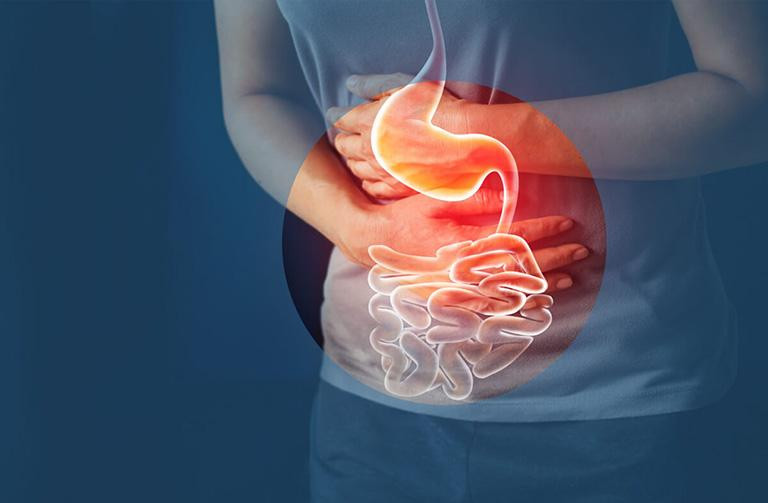
One of the most common signs of advanced stomach cancer is constant pain or discomfort in the upper abdomen. Unlike occasional indigestion, this pain does not go away with rest, antacids, or dietary changes.
As the tumor grows, it can invade surrounding tissues and nerves, leading to deep, aching, or burning pain that may worsen after eating or at night.
2. Unexplained Weight Loss and Loss of Appetite
Sudden and significant weight loss without trying is a major red flag. People with late-stage stomach cancer often feel full after eating very small amounts, a condition known as early satiety.
This happens because the tumor reduces the stomach’s capacity or interferes with digestion, causing the body to receive fewer nutrients even when food intake seems normal.
3. Persistent Nausea and Vomiting
While nausea can have many causes, frequent vomiting, especially after meals, may indicate a serious blockage in the stomach. In advanced cases, vomiting may contain blood or dark, coffee-ground-like material, which signals internal bleeding.
This symptom should never be ignored, as it often means the cancer has progressed significantly.
4. Blood in Stool or Vomit
Internal bleeding is a dangerous complication of late-stage stomach cancer. Blood loss may appear as black, tarry stools, which indicate digested blood, or as visible blood in vomit.
Over time, this bleeding can lead to anemia, causing fatigue, weakness, dizziness, and shortness of breath. These signs together strongly suggest a serious underlying condition.
 5. Extreme Fatigue and Weakness
As cancer advances, the body uses enormous energy to fight the disease. Combined with poor nutrient absorption and blood loss, this often leads to constant exhaustion that rest does not relieve.
Patients may find even simple daily activities physically draining, which is not typical of ordinary stress or aging.
6. Difficulty Swallowing or Feeling of Obstruction
If the cancer spreads toward the upper part of the stomach or the junction between the stomach and esophagus, it can cause difficulty swallowing. Some people describe the sensation as food “getting stuck” or moving slowly down the throat.
This symptom often worsens over time and can significantly affect nutrition and quality of life.
7. Abdominal Swelling or Fluid Buildup
In advanced stages, stomach cancer may cause ascites, a condition where fluid accumulates in the abdominal cavity. This leads to visible swelling, tightness, and discomfort in the abdomen.
Ascites often indicates that the cancer has spread beyond the stomach, commonly to the liver or lining of the abdomen.
Why These Symptoms Are Often Missed
Many of these warning signs resemble common digestive disorders such as gastritis, ulcers, or acid reflux. This overlap causes people to delay seeking medical care, sometimes for months or even years.
By the time symptoms become severe, the disease is often in a late stage, limiting treatment options.
When to See a Doctor
If any of these symptoms persist for more than a few weeks, worsen over time, or occur together, it is crucial to consult a healthcare professional immediately. Early testing, such as endoscopy or imaging scans, can make a life-saving difference.
 Final Thoughts
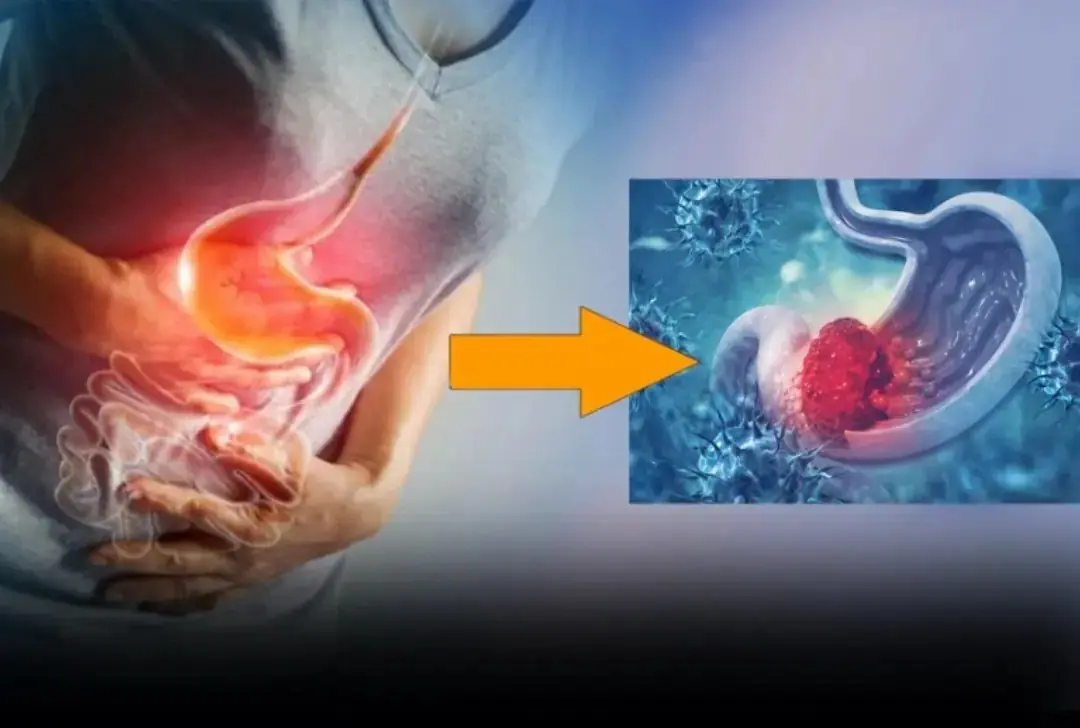
Late-stage stomach cancer is a serious and life-threatening condition, but awareness saves lives. Paying attention to your body and responding early to warning signs can lead to earlier diagnosis, better treatment options, and improved quality of life.
If something feels wrong, do not ignore it. Listening to your body may be the most important decision you ever make.