Cervical cancer remains one of the most preventable yet still dangerous cancers affecting women worldwide. Thanks to screening programs and vaccines, many cases can be avoided, but risk factors continue to exist—some of them linked not only to women’s own health choices, but also to the behavior of their partners. Medical experts increasingly emphasize that cervical health is not solely a woman’s responsibility. Certain habits and behaviors by husbands or long-term partners can significantly increase a woman’s risk of developing cervical cancer.
At the center of cervical cancer is the human papillomavirus (HPV), a common sexually transmitted infection. While most HPV infections clear on their own, persistent infection with high-risk HPV strains can lead to cervical cancer over time. Doctors warn that the following three husband behaviors may contribute to increased risk and should not be ignored.
1. Engaging in Unsafe Sexual Practices
One of the most significant risk factors for cervical cancer is exposure to high-risk HPV strains, which are most commonly transmitted through sexual contact. Husbands who engage in unprotected sex outside the marriage or have multiple sexual partners increase the likelihood of bringing HPV into the relationship. Even if a man shows no symptoms, he can still carry and transmit the virus.
Doctors stress that HPV often remains silent for years. A woman may have no idea she has been infected until abnormal cervical cells are discovered during screening. Mutual fidelity, honest communication, and safe sexual practices play a crucial role in reducing HPV transmission and protecting long-term health.
2. Neglecting Personal Hygiene and Health
Poor genital hygiene and untreated infections in men may also contribute to cervical health problems in women. Research suggests that chronic inflammation and repeated infections can weaken the body’s ability to clear HPV. Husbands who ignore symptoms such as genital irritation, discharge, or infections may unknowingly expose their partners to repeated health risks.
Additionally, men who avoid regular health checkups may miss early signs of sexually transmitted infections that could affect their partners. Doctors emphasize that maintaining good personal hygiene, seeking medical care when symptoms arise, and treating infections promptly are simple but powerful ways to protect both partners’ health.
3. Discouraging Medical Care and Preventive Measures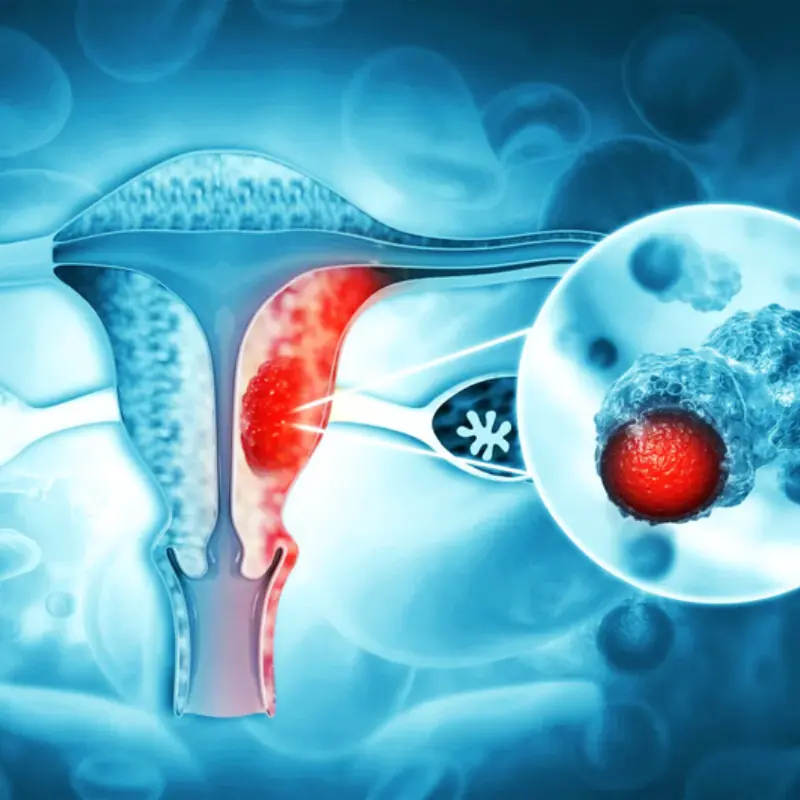
Another concerning behavior is when husbands discourage or dismiss their wives’ need for medical care. This may include downplaying symptoms, opposing gynecological exams, or resisting HPV vaccination due to misinformation or cultural beliefs. Delayed Pap smears and missed screenings significantly increase the risk that cervical abnormalities will go undetected until they become cancerous.
Medical professionals strongly advise that partners should support—not obstruct—preventive care. Regular Pap tests, HPV testing, and vaccination are proven tools that save lives. Emotional and practical support from husbands can make it easier for women to prioritize their health and seek timely medical attention.
Shared Responsibility, Shared Protection
Doctors are clear that cervical cancer prevention is a shared responsibility. While women should remain vigilant about screenings and symptoms, partner behavior plays a meaningful role in overall risk. Healthy relationships are built on trust, respect, and shared accountability for well-being.
Open conversations about sexual health, mutual testing when needed, and support for preventive care benefit not only women, but entire families. When husbands take responsibility for their actions and health choices, they help create a safer environment for their partners.
Cervical cancer is not caused by a single factor, and no behavior guarantees disease. However, reducing known risks can dramatically lower the chances of serious outcomes. Doctors urge couples to view cervical health as a team effort—because protecting one partner’s health ultimately protects both, and strengthens the family as a whole.