Be Careful: These 2 Types of Fish May Increase Cancer Risk if Eaten Frequently
Fish is widely regarded as a healthy source of protein and omega-3 fatty acids. However, not all fish are equally safe, especially when it comes to how they are processed, preserved, or contaminated. Health experts warn that certain types of fish, if consumed frequently or improperly, may increase long-term health risks, including cancer.
Below are two types of fish that deserve special caution.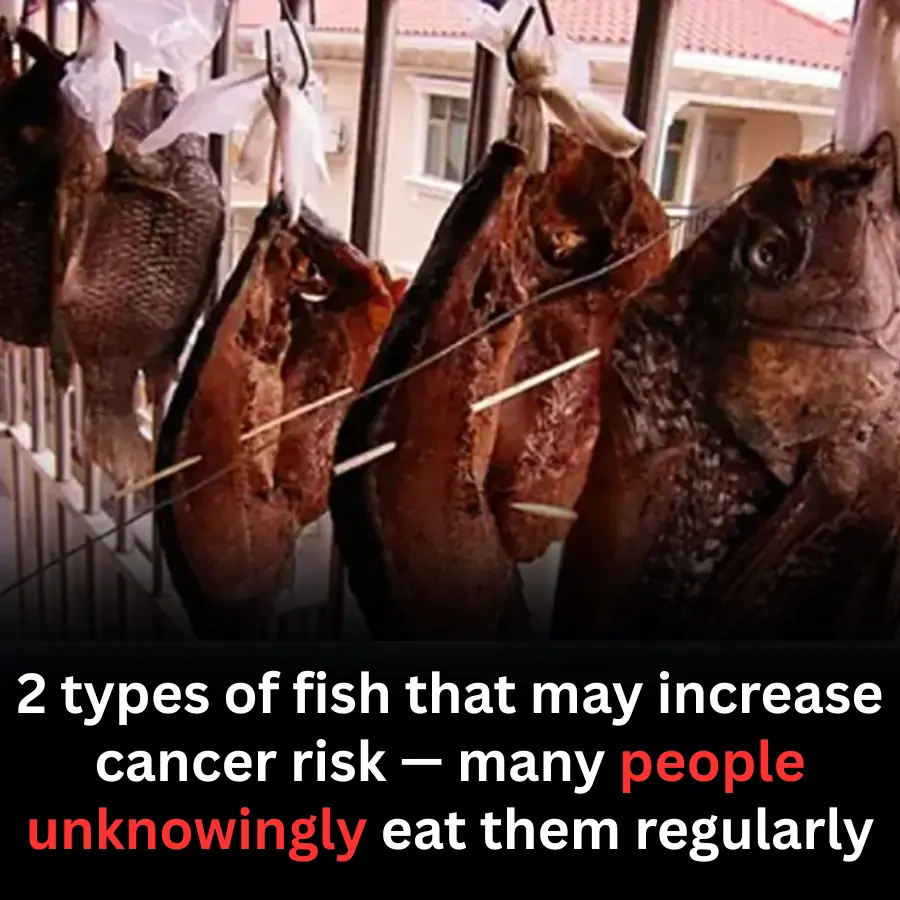
1. Heavily Processed Fish (Smoked, Salted, or Preserved Fish)
Fish that has been heavily smoked, salted, or preserved — such as smoked fish, salted fish, or fermented fish products — may contain nitrosamines, compounds that can form during processing and preservation.
According to multiple epidemiological studies, long-term consumption of nitrosamines has been associated with an increased risk of gastrointestinal cancers, particularly stomach and esophageal cancer.
Why it’s risky:
-
High salt content damages the stomach lining
-
Smoking and curing can create carcinogenic byproducts
-
Often eaten repeatedly as a daily dish in some regions
Health advice:
Eat these fish only occasionally, avoid overcooking or reheating, and balance meals with fresh vegetables rich in antioxidants.
2. Large Predatory Fish High in Heavy Metals
Certain large fish at the top of the food chain — such as shark, swordfish, king mackerel, and some types of tuna — tend to accumulate heavy metals, especially mercury, over time.
While mercury itself is not classified as a direct carcinogen, chronic exposure can damage the liver, kidneys, and immune system, indirectly increasing vulnerability to chronic disease and cellular damage.
Who should be especially careful:
-
Pregnant women
-
Children
-
People with liver or kidney disease
Health advice:
Choose smaller fish (such as sardines, anchovies, or mackerel varieties with low mercury) and limit consumption of large predatory fish.
Key Takeaway
Fish remains an important part of a healthy diet — but the type, source, and preparation method matter.
To reduce health risks:
-
Prioritize fresh or lightly cooked fish
-
Limit processed and heavily preserved fish
-
Vary your protein sources
-
Buy fish from reliable, inspected suppliers
Moderation and informed choices are the best protection.