Across cultures and continents, fruits have long been celebrated not only for their taste but also for their health-promoting properties. In recent years, scientific research has increasingly focused on how certain fruits contain natural compounds that may help the body defend itself against chronic diseases, including cancer. While no food can cure or prevent cancer on its own, some fruits are being studied for their potential to create an internal environment where cancer cells struggle to grow. Among these globally loved and widely cultivated fruits, figs play an especially interesting role.
1. Figs (Quả Sung)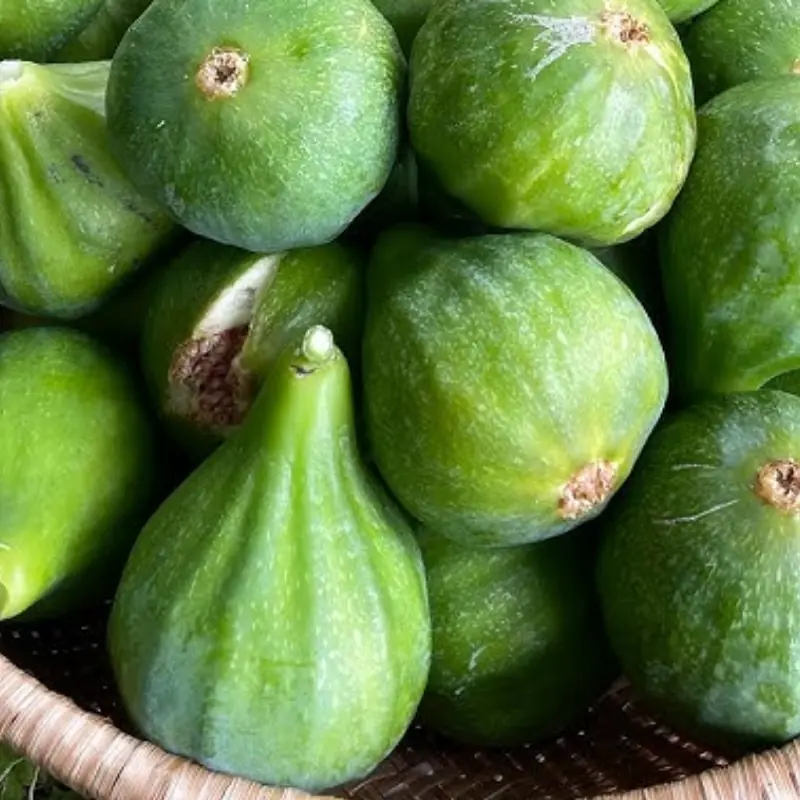
Figs are one of the oldest cultivated fruits in human history, originating in the Middle East and Mediterranean regions and now enjoyed worldwide. Rich in dietary fiber, antioxidants, vitamins, and minerals, figs offer more than just natural sweetness. Scientific studies suggest that figs contain polyphenols and flavonoids that may help combat oxidative stress, a key factor in cellular damage and cancer development. Antioxidants help neutralize free radicals, which can damage DNA and contribute to abnormal cell growth. Additionally, the high fiber content in figs supports digestive health, which has been linked to a reduced risk of colorectal cancer. Though figs are not a treatment, incorporating them into a balanced diet may support the body’s natural defense mechanisms.
2. Berries
Berries such as blueberries, strawberries, and raspberries are widely grown and consumed across the globe. These small fruits pack a powerful nutritional punch. They are rich in anthocyanins, compounds responsible for their vibrant colors and strong antioxidant properties. Laboratory studies have shown that anthocyanins may help slow the growth of certain cancer cells and reduce inflammation. Berries are also low in calories and high in fiber, making them a smart choice for overall health. Their potential protective effects make them a frequent subject of cancer-related nutritional research.
3. Citrus Fruits
Oranges, lemons, grapefruits, and other citrus fruits are staples in diets worldwide. They are especially valued for their high vitamin C content, which plays a role in immune function and cellular protection. Citrus fruits also contain flavonoids and limonoids, compounds that researchers believe may help inhibit the spread of cancer cells in experimental settings. Regular consumption of citrus fruits has been associated in some studies with a lower risk of certain cancers, particularly those affecting the digestive tract.
4. Pomegranates
Pomegranates have been cultivated for thousands of years and are enjoyed in many regions, from the Middle East to Asia and the Americas. They are rich in powerful antioxidants called punicalagins and ellagic acid. Research suggests these compounds may help reduce inflammation and interfere with processes that allow cancer cells to grow and spread. While much of the evidence comes from laboratory and animal studies, pomegranates are widely regarded as a fruit that strongly supports overall cellular health.
A Word of Caution and Balance
Phrases like “cancer cells can’t stand” should be understood as metaphorical rather than literal. Cancer is a complex disease influenced by genetics, lifestyle, environment, and medical care. No fruit, including figs, berries, citrus fruits, or pomegranates, can replace screening, diagnosis, or treatment. However, doctors and nutritionists agree that a diet rich in fruits and vegetables can support immune function, reduce chronic inflammation, and improve overall health.
Incorporating These Fruits Into Daily Life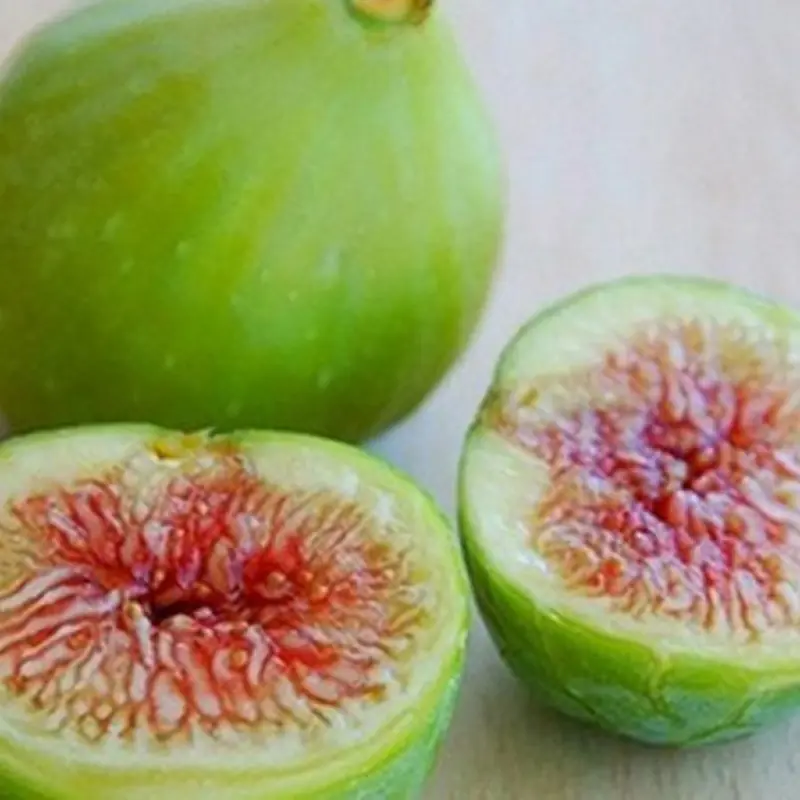
Adding these fruits to your diet is simple and enjoyable. Fresh figs can be eaten alone, added to salads, or paired with yogurt. Berries work well in smoothies or oatmeal. Citrus fruits make refreshing snacks or juices, while pomegranates can be sprinkled over meals or enjoyed as juice in moderation. Together, these fruits represent a delicious way to support long-term well-being.
In conclusion, figs and other widely loved fruits offer more than flavor—they provide valuable nutrients and bioactive compounds that may help the body resist disease. While they are not a cure, these fruits may help create conditions in which cancer cells find it harder to thrive, supporting a healthier and more resilient body.