Your kidneys are small organs with a big responsibility. Every day, they filter waste and excess fluids from your blood, regulate blood pressure, balance electrolytes, and help keep your body in stable working order. Because kidney disease often develops quietly, many people don’t realize there’s a problem until significant damage has already occurred. Recognizing early warning signs can make a critical difference.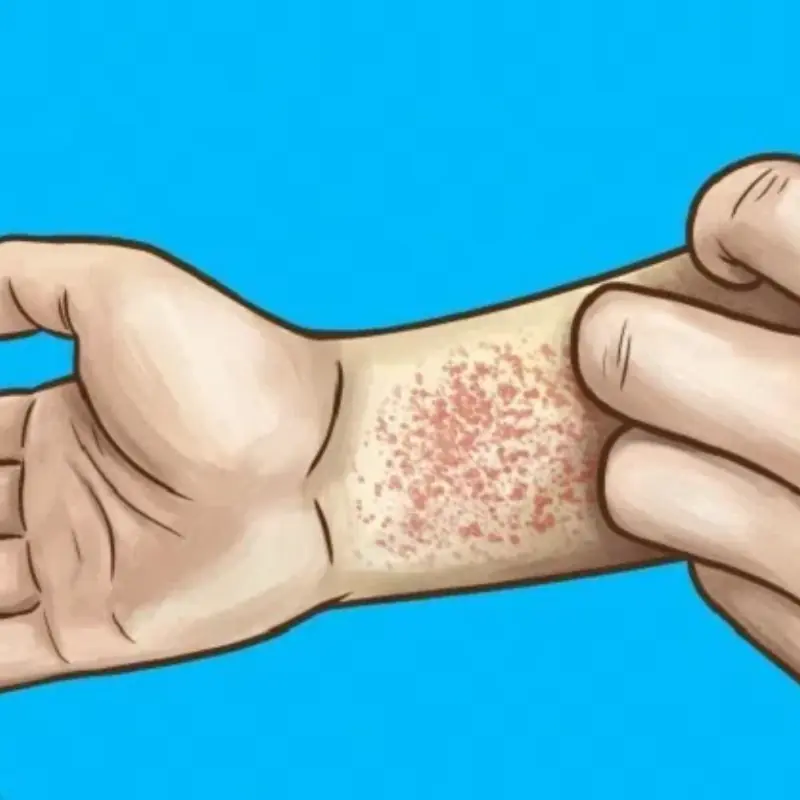
Here are 10 signs that may indicate your kidneys are weakening and need medical attention.
1. Changes in urination
One of the earliest signs of kidney trouble is a change in how often or how much you urinate. You may notice increased urination at night, reduced urine output, or urine that appears foamy, dark, or unusually pale. Blood in the urine is never normal and should be evaluated immediately.
2. Persistent fatigue and weakness
Healthy kidneys help produce erythropoietin, a hormone that signals the body to make red blood cells. When kidney function declines, fewer red blood cells are produced, leading to anemia. This can cause ongoing fatigue, weakness, dizziness, and difficulty concentrating.
3. Swelling in the feet, ankles, or face
When the kidneys can’t remove excess sodium and fluids effectively, fluid builds up in the body. This often shows up as swelling in the ankles, feet, legs, hands, or around the eyes, especially in the morning.
4. Shortness of breath
Fluid buildup can also affect the lungs, making breathing feel difficult. In addition, anemia caused by kidney disease reduces oxygen delivery throughout the body, contributing to breathlessness even with minimal activity.
5. Persistent itching or dry skin
Healthy kidneys help maintain proper mineral balance in the blood. When they weaken, waste products and imbalanced minerals can cause persistent itching, dry skin, or an uncomfortable crawling sensation that doesn’t improve with moisturizers.
6. Nausea, vomiting, or loss of appetite
As toxins accumulate in the bloodstream, digestive symptoms may appear. People with declining kidney function often report nausea, vomiting, a metallic taste in the mouth, or a reduced desire to eat, which can lead to unintended weight loss.
7. Trouble sleeping
When waste products are not properly filtered from the blood, they can disrupt sleep patterns. Some people experience insomnia, restless sleep, or sleep apnea, which is more common in individuals with chronic kidney disease.
8. Muscle cramps and twitching
Electrolyte imbalances, particularly low calcium or abnormal phosphorus levels, can lead to muscle cramps, spasms, or twitching. These symptoms often occur at night and may worsen as kidney function declines.
9. High blood pressure that’s hard to control
The kidneys play a key role in regulating blood pressure. When they are damaged, blood pressure can rise — and high blood pressure, in turn, causes further kidney damage. This dangerous cycle often goes unnoticed without regular monitoring.
10. Difficulty thinking clearly
A buildup of toxins in the blood can affect brain function, leading to confusion, poor concentration, memory problems, or a general feeling of mental fog. These cognitive changes are often overlooked or mistaken for stress or aging.
Why early detection matters
Kidney disease often progresses silently, especially in its early stages. By the time severe symptoms appear, damage may already be advanced and irreversible. Early diagnosis allows for treatments that can slow progression, protect remaining kidney function, and reduce the risk of complications such as heart disease.
What to do if you notice these signs
If you experience one or more of these symptoms — especially in combination — it’s important to consult a healthcare professional promptly. Simple blood and urine tests can provide valuable insight into kidney health. People with diabetes, high blood pressure, heart disease, or a family history of kidney problems should be particularly vigilant.
A final reminder
These signs do not confirm kidney disease on their own, but they should never be ignored. Your kidneys work silently to protect your health every day. Paying attention to warning signs and seeking medical advice early can help preserve their function — and your quality of life — for years to come.