Snakes are highly sensitive to their environment. They are drawn to places that offer shelter, moisture, shade, and prey, rather than to plants themselves. However, certain types of vegetation can indirectly attract snakes by creating the conditions they prefer. On the other hand, some plants are traditionally believed to discourage snakes because of their strong scent or irritating properties.
Understanding which plants may increase or reduce snake presence around your home can help you make safer landscaping choices—especially if you live in areas where snakes are common.
Why Snakes Appear Around Certain Plants
Snakes do not eat plants, nor are they “magnetically” attracted to specific species. Instead, plants can:
-
Provide cool, shaded hiding spots
-
Retain moisture
-
Attract rodents, frogs, or insects (snake prey)
When these conditions are present, snakes are more likely to move in.
6 Types of Plants That May Attract Snakes
1. Dense Ground Cover Plants
Plants that grow thick and low to the ground can create ideal hiding places for snakes.
Examples include:
-
Ivy
-
Creeping ground covers
-
Thick ornamental grasses
These plants provide shade, protection from predators, and a cool environment—exactly what snakes look for during the day.
2. Tall, Untrimmed Grass and Bushes
Overgrown vegetation is one of the most common reasons snakes appear near homes.
Why it attracts snakes:
-
Provides excellent camouflage
-
Creates pathways for snakes to move unseen
-
Often shelters rodents and insects
Neglected lawns and bushes are far more attractive to snakes than well-maintained gardens.
3. Water-Loving Plants
Snakes need water to survive. Plants that grow near or retain water can attract them.
Examples:
-
Water lilies
-
Lotus
-
Plants near ponds or drainage areas
These areas often attract frogs, fish, and insects, increasing snake activity.
4. Fruit-Bearing Plants and Trees
Fruit trees don’t attract snakes directly, but fallen fruit attracts rodents—one of the main food sources for snakes.
Examples include:
-
Mango trees
-
Banana plants
-
Guava trees
If fruit is left rotting on the ground, snakes may follow the rodents.
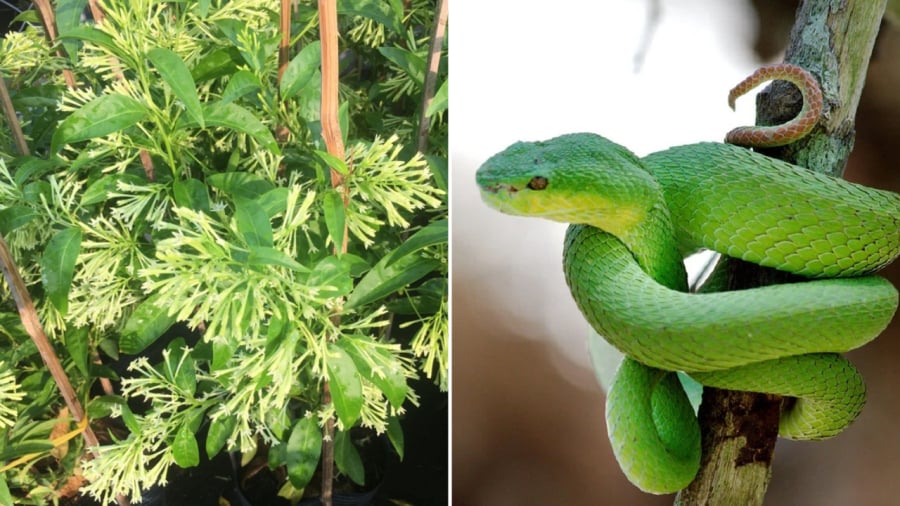
5. Dense Shrubs and Hedges
Bushes planted close to walls, fences, or buildings can create hidden corridors for snakes.
Problems with dense shrubs:
-
Limited visibility
-
Cool, dark shelter
-
Reduced human disturbance
Snakes prefer areas where they are less likely to be seen.
6. Compost-Heavily Planted Gardens
Gardens rich in compost and organic waste attract insects and small animals.
Why snakes come:
-
Rodents are drawn to compost
-
Warm decomposing material creates heat
-
Moist conditions remain stable
Compost piles should be kept away from living areas.
3 Types of Plants Traditionally Believed to Repel Snakes
It’s important to note: no plant is scientifically proven to repel snakes completely. However, some plants are widely believed to make areas less comfortable for them.
1. Snake Plant (Sansevieria)
Also known as “mother-in-law’s tongue,” this plant is commonly believed to deter snakes.
Why people believe it works:
-
Sharp, upright leaves
-
Grows densely in borders
-
Creates physical discomfort for crawling animals
While not proven, it may make movement more difficult for snakes.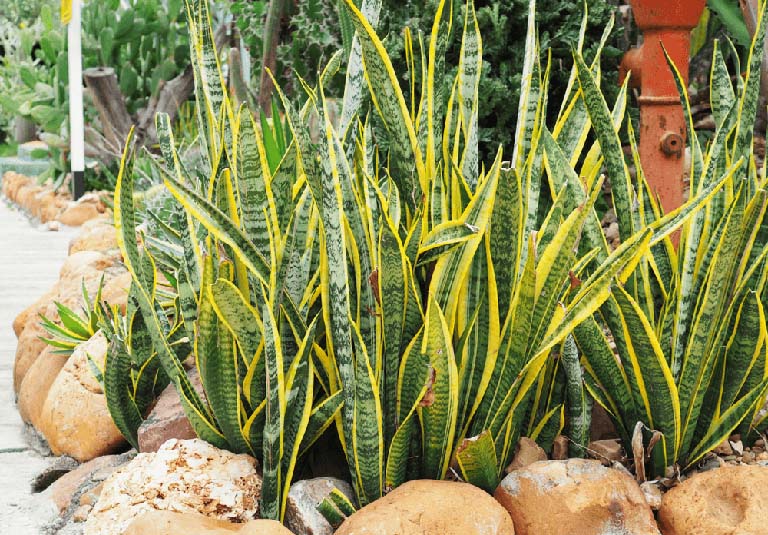
2. Lemongrass
Lemongrass has a strong citrus scent that many animals dislike.
Possible effects:
-
Strong aroma may irritate snakes’ sensory system
-
Often used in natural pest deterrents
Planting lemongrass around fences or entry points is a popular traditional practice.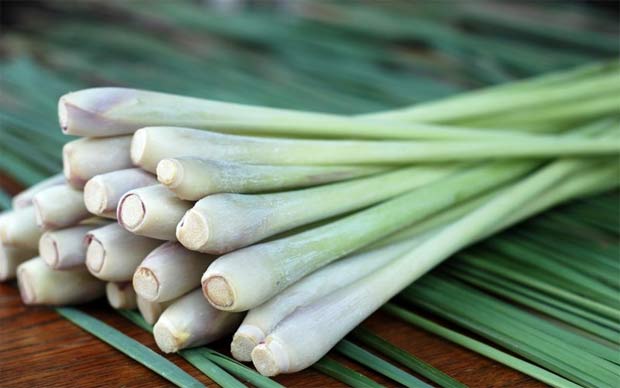
3. Marigold
Marigolds are known for their pungent smell and pest-repelling qualities.
Why they may help:
-
Strong scent
-
Repels insects, reducing prey availability
-
Often used in garden borders
While not a guaranteed deterrent, marigolds can support a less snake-friendly environment.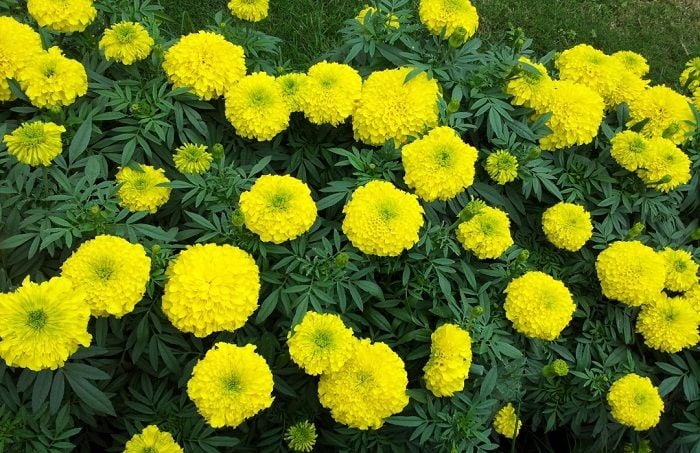
What Actually Works Best to Keep Snakes Away
Plants alone are not enough to prevent snakes. The most effective prevention strategies include:
-
Keeping grass trimmed short
-
Removing piles of wood, rocks, and debris
-
Eliminating rodent populations
-
Sealing cracks near doors and foundations
-
Keeping compost and water sources away from the house
Snakes are more likely to leave when food and shelter are unavailable.
Important Safety Note
If you live in a snake-prone area:
-
Never attempt to handle or remove a snake yourself
-
Contact wildlife control or local authorities
-
Teach children and pets to avoid dense vegetation
Snakes usually avoid humans unless threatened.
Final Thoughts
Snakes are not drawn to plants out of preference, but out of survival needs. Certain plants and landscaping choices can unintentionally invite them by offering shelter and food. While some plants are traditionally believed to repel snakes, the most reliable method is maintaining a clean, open, and well-managed outdoor environment.
A thoughtful combination of landscaping, cleanliness, and awareness is the safest way to reduce snake encounters - without harming wildlife or relying on myths alone.