Rice is a staple food in millions of households around the world. Affordable, filling, and versatile, it often gets stored in large quantities and used over weeks or even months. However, improper storage can lead to common problems such as insect infestation, mold growth, unpleasant odors, and loss of flavor. Food safety experts warn that rice contaminated by mold or insects is not only unappetizing but may also pose health risks if consumed.
To keep rice fresh, fragrant, and safe for long-term use, proper storage is essential. Below are practical, science-backed tips to help you protect rice from pests and moisture while preserving its quality.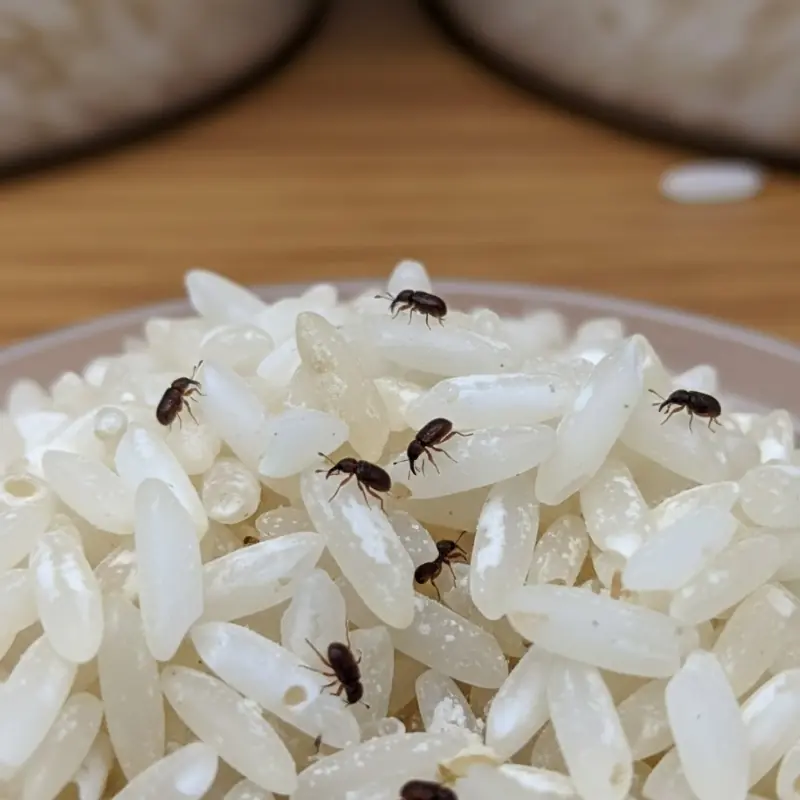
Why Rice Is Vulnerable to Insects and Mold
Rice naturally attracts insects such as weevils and grain moths. These pests often enter the rice during harvesting, packaging, or transportation, remaining unnoticed until conditions allow them to multiply. Warm temperatures and humidity accelerate this process.
Mold, on the other hand, thrives in damp environments. Rice exposed to moisture — even slightly — can develop mold spores that may produce harmful toxins. Once mold appears, the rice should be discarded immediately.
Understanding these risks is the first step toward effective storage.
1. Choose Airtight Containers
The most important rule for rice storage is keeping it in an airtight container. Plastic bags that rice comes in are not designed for long-term storage and can easily allow air, moisture, and insects to enter.
Use containers made of glass, thick plastic, ceramic, or stainless steel with tight-sealing lids. Airtight containers block humidity and prevent insects from accessing the rice, significantly extending its shelf life.
2. Store Rice in a Cool, Dry Place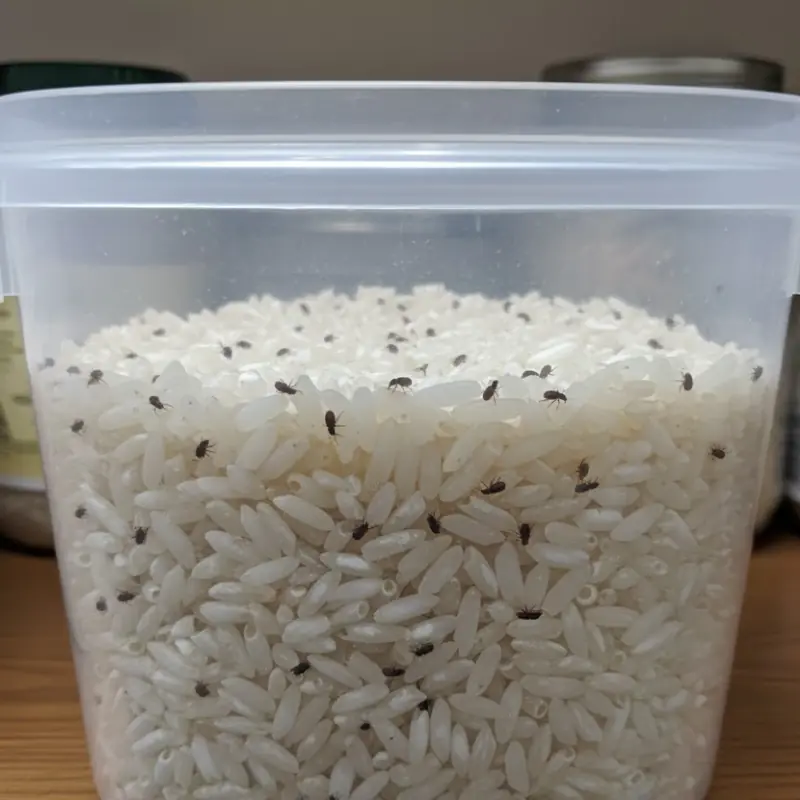
Heat and moisture are the biggest enemies of stored rice. Ideally, rice should be kept in a cool, dry area away from direct sunlight, such as a pantry or cupboard.
If you live in a hot or humid climate, consider storing rice in the refrigerator or freezer. Low temperatures slow insect activity and inhibit mold growth. Properly sealed rice can last up to a year in the fridge and even longer in the freezer without affecting taste or texture.
3. Use Natural Insect Repellents
Many households rely on natural methods to keep insects away from rice. These methods are safe, affordable, and effective when used correctly.
Common options include:
-
Bay leaves
-
Garlic cloves
-
Dried chili peppers
-
Star anise
Place a few of these items inside the rice container. Their strong aroma helps repel insects without altering the flavor of the rice. Replace them every few months for best results.
4. Control Moisture at All Costs
Moisture is the leading cause of mold in rice. Always ensure rice is completely dry before storage. Never store rice near sinks, stoves, or areas prone to steam.
For extra protection, you can place a small food-grade desiccant or a clean piece of charcoal inside the container to absorb excess moisture. Some people also use a small cloth bag filled with uncooked salt, which helps maintain dryness.
5. Avoid Mixing Old and New Rice
Mixing freshly purchased rice with older rice can create problems. If the old rice contains insect eggs or has absorbed moisture, it can contaminate the new batch.
Experts recommend finishing older rice first before adding new stock. If mixing is unavoidable, inspect both batches carefully and store them in a well-sealed container.
6. Check Rice Regularly
Even with proper storage, it’s important to inspect rice periodically. Look for signs of insects, unusual smells, clumping, or discoloration. Early detection can prevent widespread contamination.
If you notice a sour odor, visible mold, or moving insects, discard the rice immediately. Do not attempt to wash or cook contaminated rice, as toxins may still be present.
7. Buy Rice in Reasonable Quantities
Buying rice in bulk may seem economical, but it increases the risk of spoilage if storage conditions are not ideal. Purchase quantities that match your household’s consumption rate, especially during hot or humid seasons.
Smaller batches are easier to manage and ensure that rice stays fresh until the last grain is used.