Leftovers are a common part of modern life. To save time, money, and effort, many families store uneaten food in the refrigerator and reheat it the next day. But a tragic case involving a 50-year-old man who reportedly fell critically ill after eating improperly stored leftovers has reignited concerns among doctors and food safety experts: not all foods are safe to keep overnight, even in the fridge.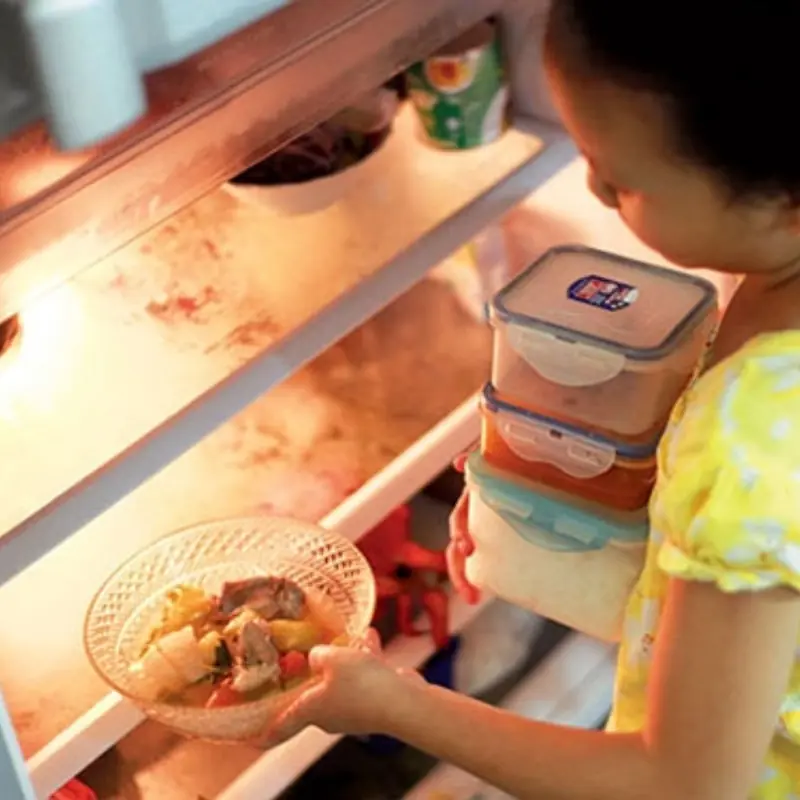
Health professionals warn that certain foods can become breeding grounds for dangerous bacteria or produce harmful toxins if stored or reheated incorrectly. In some cases, the consequences can be severe, especially for older adults or people with weakened immune systems.
Below are five foods experts say you should never keep overnight. If they’re left over, it’s safer to throw them away.
1. Cooked Rice
Cooked rice is one of the most common — and dangerous — leftovers. It can contain Bacillus cereus, a bacterium that survives cooking. If rice is left at room temperature for even a short time, the bacteria can multiply and produce toxins that reheating cannot destroy.
Food safety experts recommend either eating rice immediately after cooking or cooling it rapidly and storing it in the refrigerator for no more than 24 hours. Even then, it should only be reheated once. Any rice left out overnight should be discarded immediately.
2. Leafy Green Vegetables (Especially Spinach and Lettuce)
Cooked or raw leafy greens may seem harmless, but they can pose a hidden risk. These vegetables are high in nitrates, which can convert into nitrites when stored for too long. Nitrites have been linked to digestive issues and increased cancer risk under certain conditions.
When reheated, especially multiple times, leafy greens may become even more harmful. Doctors advise eating these vegetables fresh and avoiding overnight storage, particularly after cooking.
3. Seafood and Shellfish
Seafood spoils faster than most foods, even when refrigerated. Fish, shrimp, crab, and shellfish can quickly develop harmful bacteria such as Vibrio and Listeria. Improper storage or delayed refrigeration significantly increases the risk of food poisoning.
Health experts warn that leftover seafood should not be kept overnight unless it was stored immediately at the correct temperature. If there is any unusual smell, texture change, or uncertainty about storage time, it should be thrown away without hesitation.
4. Eggs and Egg-Based Dishes
Eggs are highly nutritious but also highly sensitive. Cooked eggs, omelets, boiled eggs, and dishes containing eggs (such as custards or creamy sauces) can spoil quickly and harbor Salmonella if not handled correctly.
Leaving egg dishes overnight — even in the refrigerator — increases the risk of bacterial growth. Reheating may not eliminate toxins produced during storage. Experts recommend consuming egg-based meals immediately and discarding leftovers.
5. Mixed Leftovers and Buffet-Style Foods
Foods that have been sitting out for long periods — such as party dishes, buffet items, or mixed leftovers — are especially risky. These foods often experience repeated temperature changes, increasing bacterial contamination.
When multiple ingredients are mixed together, it becomes difficult to assess spoilage. One contaminated ingredient can affect the entire dish. Doctors advise against storing these foods overnight and stress that “when in doubt, throw it out.”
Why Refrigeration Is Not Always Enough
Many people believe that refrigeration automatically makes food safe. In reality, the fridge only slows bacterial growth — it does not stop it completely. Some bacteria can survive cold temperatures and produce toxins that cannot be destroyed by reheating.
Older adults, children, pregnant women, and people with chronic illnesses are especially vulnerable to foodborne infections. What might cause mild stomach discomfort in one person can become life-threatening in another.
Key Safety Tips from Doctors
-
Cool hot food quickly before refrigerating
-
Store food below 4°C (40°F)
-
Reheat food thoroughly, but only once
-
Never eat food with unusual smell or texture
-
Avoid keeping leftovers longer than 24 hours