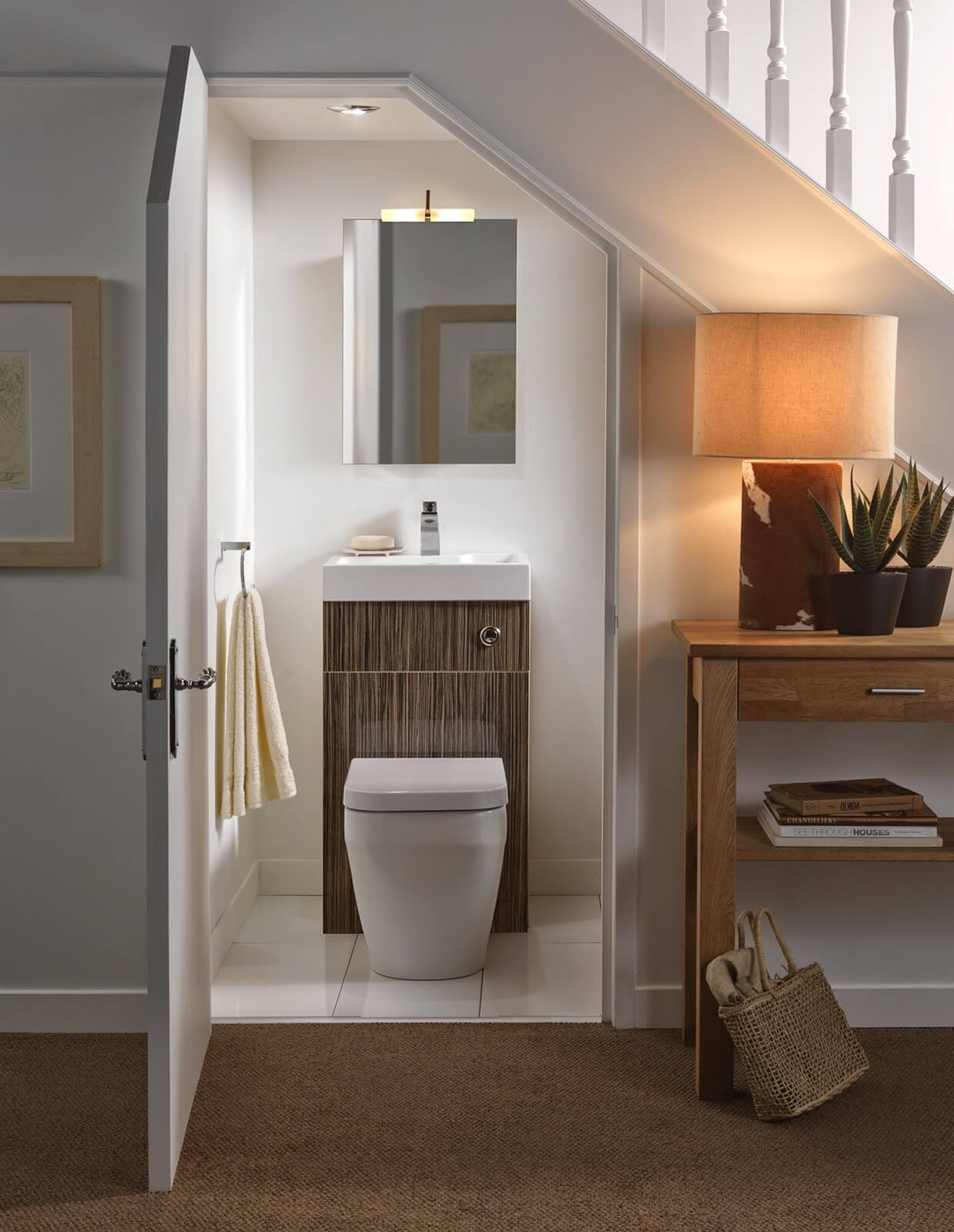
Building a toilet under the stairs may seem like a smart way to save space, especially in small homes or townhouses. Many people consider it a convenient solution to utilize an otherwise unused area. However, both from a practical, health, and cultural perspective, placing a toilet under the stairs can create more problems than benefits.
Below are the key reasons why architects, builders, and even traditional design philosophies often advise against building a toilet under the stairs.
1. Poor Ventilation and Lingering Odors
Staircase areas are usually enclosed and lack proper airflow. When a toilet is placed underneath:
-
Odors can easily become trapped
-
Moist air has difficulty escaping
-
Mold and mildew are more likely to develop
Even with an exhaust fan, the confined space often fails to ventilate effectively, leading to unpleasant smells that can spread to nearby living areas.
2. Increased Moisture and Structural Damage
Bathrooms generate a lot of humidity. When this moisture is trapped under a staircase:
-
Wooden stairs may warp, rot, or weaken over time
-
Metal components can corrode
-
Mold growth may compromise indoor air quality
Over the long term, constant exposure to moisture can damage the structural integrity of the staircase itself, leading to expensive repairs.
3. Uncomfortable and Unsafe Design
Toilets under stairs often have:
-
Low ceilings
-
Slanted walls
-
Limited headroom
This can make the space feel cramped and uncomfortable, especially for adults or elderly users. In some cases, people may bump their heads or feel claustrophobic, increasing the risk of accidents.
4. Hygiene Concerns
From a hygiene standpoint, placing a toilet beneath a stairway where people frequently walk can be problematic:
-
Bacteria and odors may travel upward
-
Staircases are high-traffic areas, making cleanliness harder to maintain
-
Poor airflow can allow germs to linger longer
This setup may affect overall household sanitation, especially in homes with children.
5. Plumbing Complications
Installing plumbing under stairs is often more complex than in standard bathroom locations:
-
Drainage slopes may be insufficient
-
Increased risk of clogs or leaks
-
Repairs can be difficult due to limited access
These issues can raise both construction costs and long-term maintenance expenses.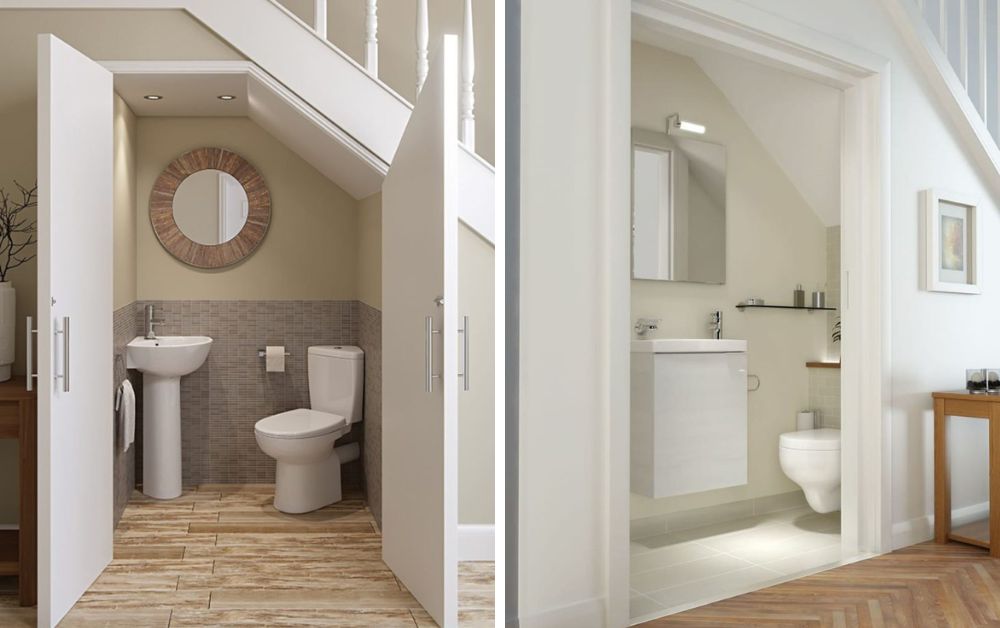
6. Feng Shui and Cultural Beliefs
In many cultures, particularly in Feng Shui, a toilet under the stairs is strongly discouraged.
According to Feng Shui principles:
-
Stairs represent upward movement and energy flow
-
Toilets symbolize waste and draining energy
Placing a toilet beneath stairs is believed to:
-
Disrupt positive energy
-
Create imbalance in the home
-
Negatively affect household health and finances
While not everyone follows Feng Shui, many homeowners still consider these beliefs important for peace of mind.
7. Noise and Privacy Issues
Toilets under stairs are often located close to living rooms, kitchens, or entryways. This can cause:
-
Awkward noise issues
-
Reduced privacy for users
-
Discomfort for guests
The lack of sound insulation in stair structures can amplify these problems.
8. Reduced Property Value
Poorly designed under-stair toilets may:
-
Look unattractive
-
Feel awkward to use
-
Be viewed as a design flaw by buyers
In some cases, potential buyers may see it as a negative feature that lowers the home’s resale value.
When Is It Acceptable to Build a Toilet Under the Stairs?
In certain situations, it may still work if:
-
The space has sufficient height and ventilation
-
Proper waterproofing is installed
-
The design meets building codes
-
It is used as a secondary or emergency toilet
Even then, careful planning and professional consultation are essential.
Better Alternatives
Instead of placing a toilet under the stairs, consider:
-
Using the space for storage
-
Creating a small pantry or closet
-
Installing shelves or a shoe cabinet
These uses are more compatible with the shape, airflow, and purpose of the space.
Final Thoughts
While building a toilet under the stairs may appear practical, it often introduces long-term issues related to ventilation, hygiene, comfort, structural safety, and even cultural concerns. In most cases, the disadvantages outweigh the convenience.
A well-designed home balances functionality with comfort and health. Sometimes, leaving a space unused—or repurposing it wisely—is the better decision.