Bruises are a common part of everyday life. Most people experience them after minor bumps or injuries and think little of it when the skin turns blue, purple, or yellow. However, doctors say that not all bruises are harmless. When bruises appear frequently, seem unusually large, or show up without a clear cause, they may be the body’s way of signaling an underlying health issue. Understanding what different types of bruising might mean can help you decide when it is time to seek medical advice.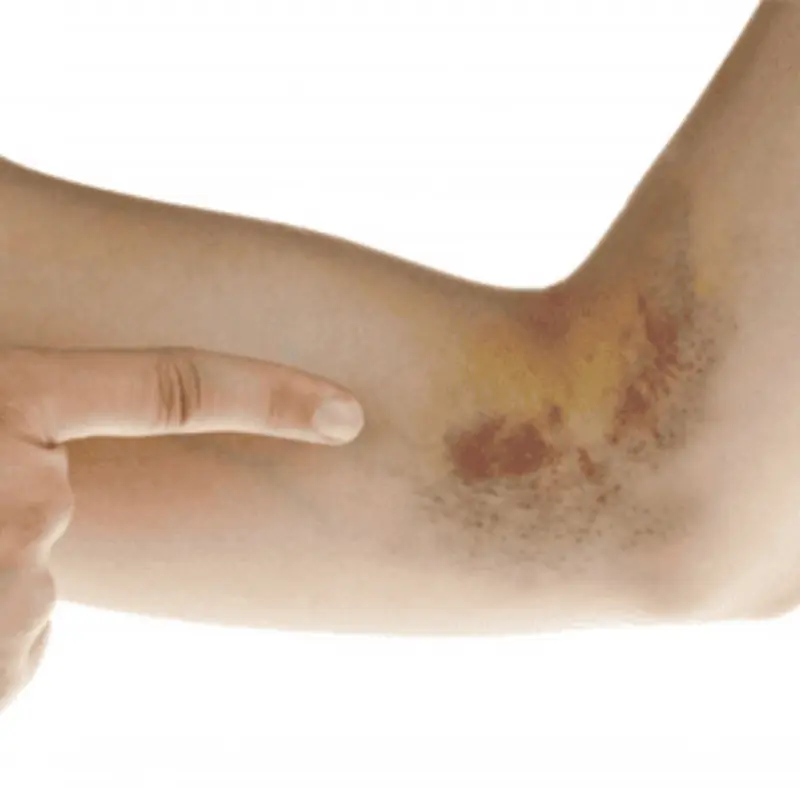
A bruise, medically known as a contusion, occurs when small blood vessels under the skin break and leak blood into surrounding tissues. This is usually caused by trauma, even something as mild as bumping into furniture. As the body reabsorbs the blood, the bruise changes color and eventually fades. In healthy individuals, this process is normal and not a cause for concern. Problems arise when bruising becomes frequent or unexplained.
One possible reason for easy bruising is aging. Doctors explain that as people get older, their skin becomes thinner and loses some of the protective fat layer that cushions blood vessels. In addition, blood vessels themselves become more fragile. As a result, older adults may bruise more easily, even after very minor impacts they may not remember. While this is often normal, sudden or severe changes in bruising patterns should still be evaluated.
Another common cause is medication use. Blood thinners such as aspirin, warfarin, or certain anti-inflammatory drugs can interfere with clotting and make bruising more noticeable. Even supplements like fish oil or vitamin E can have a similar effect when taken in high doses. Doctors recommend reviewing all medications and supplements with a healthcare provider if unexplained bruising appears.
Nutritional deficiencies may also play a role. A lack of vitamin C can weaken blood vessel walls, making them more likely to break. Vitamin K deficiency can interfere with blood clotting, while low levels of iron may affect overall blood health. In some cases, improving diet or correcting deficiencies under medical guidance can reduce bruising.
Doctors also warn that frequent or unusual bruises may sometimes be linked to blood disorders. Conditions that affect platelets or clotting factors can prevent the body from stopping bleeding efficiently. This may result in bruises that appear without injury, are slow to heal, or are accompanied by other symptoms such as frequent nosebleeds, bleeding gums, or extreme fatigue. Although these conditions are less common, they should not be ignored.
Certain medical conditions can also increase bruising. Liver disease, for example, can affect the production of clotting proteins, while autoimmune disorders may cause the immune system to attack blood components. Infections and chronic illnesses may also weaken blood vessels or interfere with healing. Doctors emphasize that bruising alone does not confirm any diagnosis, but patterns and accompanying symptoms matter.
The location and appearance of bruises can provide additional clues. Bruises on the legs are often related to minor injuries, while bruises on the arms, torso, or face without explanation may raise more concern. Very large, painful, or rapidly spreading bruises should always be checked by a medical professional.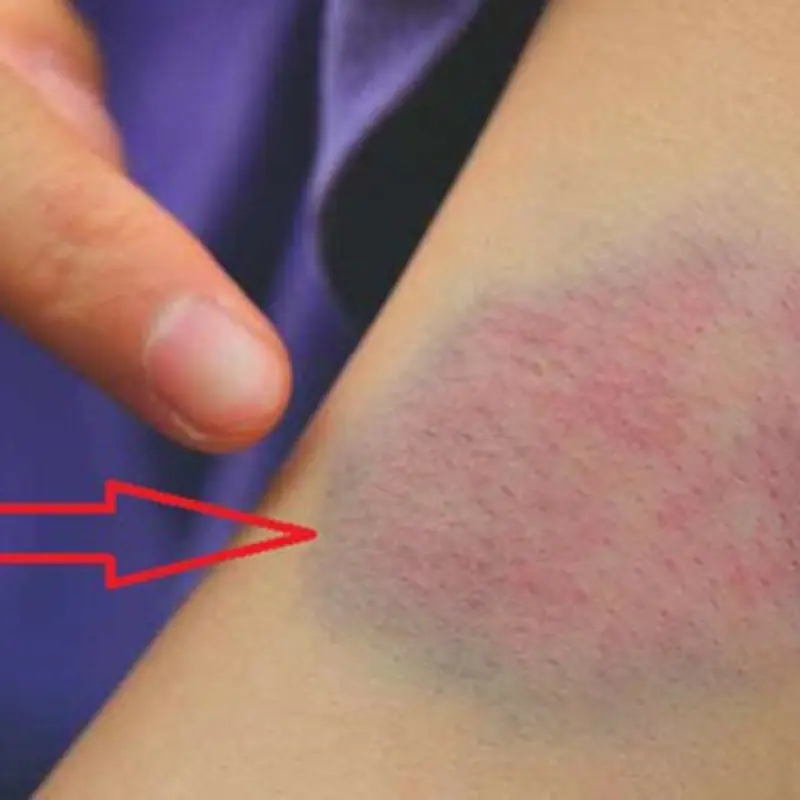
Doctors advise seeking medical attention if bruises appear frequently without injury, are unusually large or painful, do not heal within two weeks, or are accompanied by symptoms such as weakness, dizziness, or unexplained weight loss. Keeping track of when bruises appear and any related symptoms can help doctors identify potential causes more accurately.
In conclusion, while most bruises are harmless and temporary, they can sometimes be meaningful signals from the body. Paying attention to changes in bruising patterns and taking them seriously when something feels unusual is an important step in protecting your health. When in doubt, doctors agree that it is always better to ask than to ignore what your body may be trying to tell you.