The “mysterious” water bottles lined along streets and fences
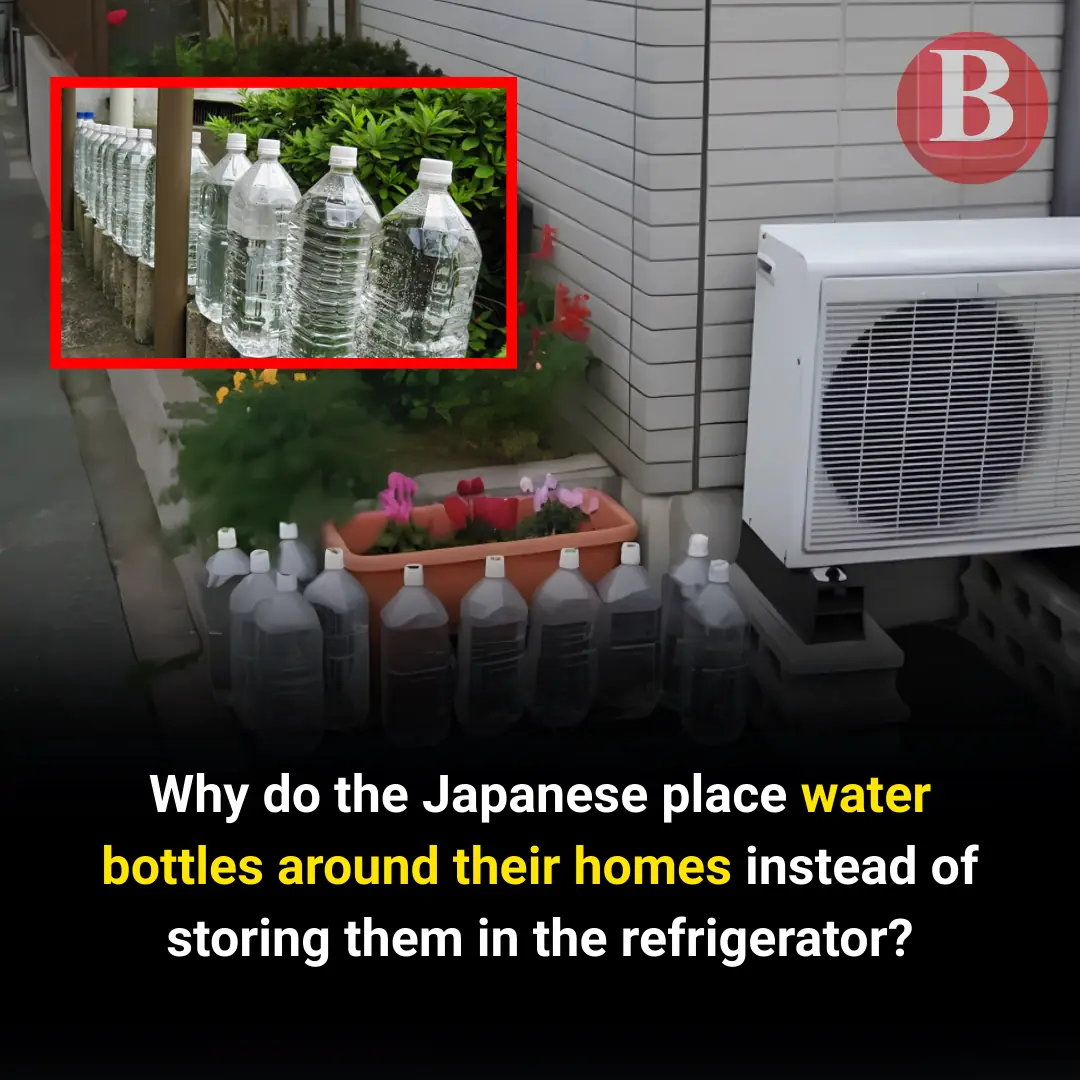
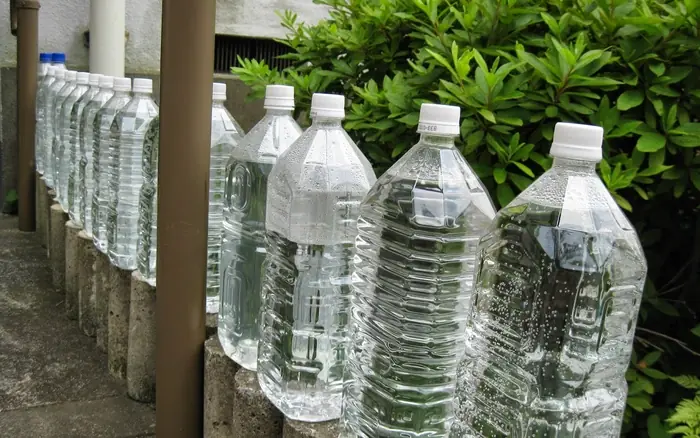
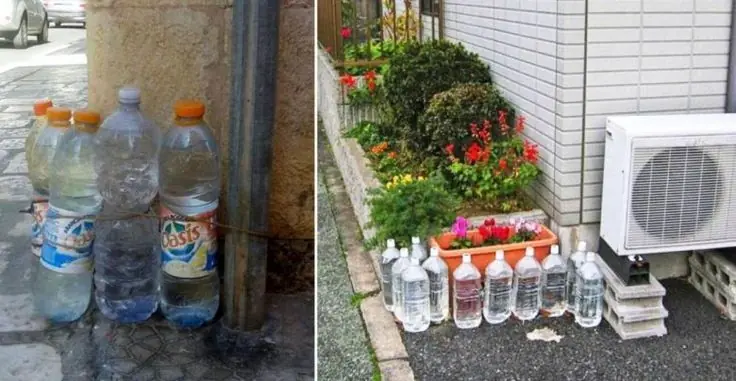
If you’ve ever visited Japan or watched videos of its streets, you may have noticed something unusual in quiet residential alleys. Along fences, in garden corners, beside potted plants, or near walls, clear plastic water bottles are often neatly arranged.
At first, you might assume someone forgot to clean up after a picnic or simply left them behind. But in reality, these bottles are placed intentionally—and the real reason is quite surprising. They are not drinking water. They are known as “nekoyoke,” meaning tools used to repel cats.
Japan is well known for its deep affection for animals, especially cats. Cat cafés are everywhere, and some cats have even been given honorary positions such as stationmasters or supervisors. However, stray cats are often untrained and lack proper healthcare, which can pose risks such as spreading disease, damaging property, or scratching and biting children and the elderly. For this reason, some households look for ways to keep stray cats away from their homes. This is how nekoyoke water bottles became widespread.
Although this practice may confuse foreigners, it is quite common in Japanese cities. It represents an interesting mix of everyday logic, traditional beliefs, and practicality. While harmless to animals, many people believe these water bottles help prevent stray cats from entering and soiling the surrounding area.
Even though the reasoning behind this method has often been questioned, the tradition has persisted for generations—existing somewhere between belief and habit. This raises an intriguing question: Where did this unusual practice originate, and does it actually work?
Where did nekoyoke come from?
According to Indiatimes, the idea of using water bottles to repel animals did not originate in Japan. It first appeared in Western countries, possibly in the 1980s in parts of Europe and the United States, where people placed water bottles on lawns to deter dogs. Over time, the practice made its way to Japan but was adapted for cats instead.
Since Japan does not have a large population of stray dogs, people began using this method to keep stray cats away from gardens, walls, and front entrances.
How is it supposed to work?
Several popular theories attempt to explain why water bottles might repel cats. Some believe that sunlight or streetlights shining through the bottles create sudden flashes of light that frighten cats.
Another theory suggests that cats are startled by distorted reflections they see in the bottles.
Others think the bottles interfere with cats’ perception of distance. Although none of these explanations have been scientifically proven, many people continue the practice nonetheless.
So, does it actually work?
The honest answer: not really. Studies and animal behavior experts say there is no clear evidence that water bottles effectively deter cats. On cloudy days or in poorly lit areas, light reflections are minimal or nonexistent.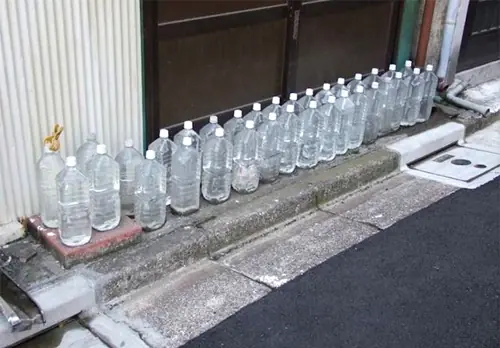
Still, many people continue placing the bottles—partly out of habit and partly with the mindset that “it’s better than nothing.”
Even if it doesn’t stop a curious cat, the practice itself is harmless.
Today, nekoyoke water bottles are more of a cultural symbol than an effective deterrent. They reflect the Japanese preference for orderliness, creativity, and simple solutions to everyday problems. They also add a small but memorable detail that makes walking through Japanese neighborhoods all the more fascinating.