Washing dishes this way is no different from “taking poi.son”: 4 wrong habits many families are making
Few people realize that seemingly harmless dishwashing habits can actually make dishes dirtier over time and even silently harm the health of the whole family.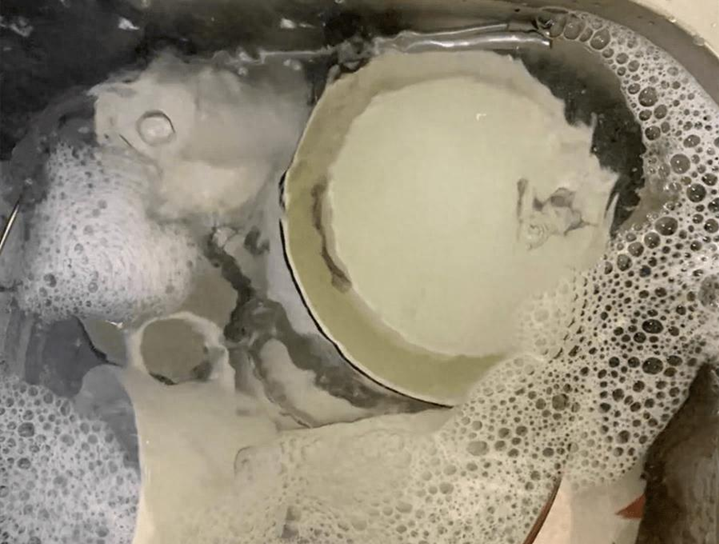
Washing dishes is something most people do almost every day. After each meal, if dishes are not cleaned promptly, bacteria and unpleasant odors can easily develop. However, few expect that improper dishwashing habits—though they appear harmless—can leave dishes increasingly unhygienic and pose hidden health risks to the entire household.
Many people think that as long as dishes look “visually clean,” that is enough. In reality, washing dishes the wrong way is no different from ingesting toxins every day. Below are four common mistakes that many families unknowingly make and should change as soon as possible.
1. Soaking dishes in water and washing them later
After meals, many people don’t feel like washing dishes right away, so they put all the dishes into a basin of water, thinking that soaking will soften food residue and make cleaning easier later. In fact, soaking dishes for too long creates a damp environment that is ideal for bacteria to grow and causes bad odors.
Moreover, some food residues may stick even more firmly, making it harder to clean dishes thoroughly afterward. Therefore, it is best to wash dishes as soon as possible after eating to limit bacterial growth.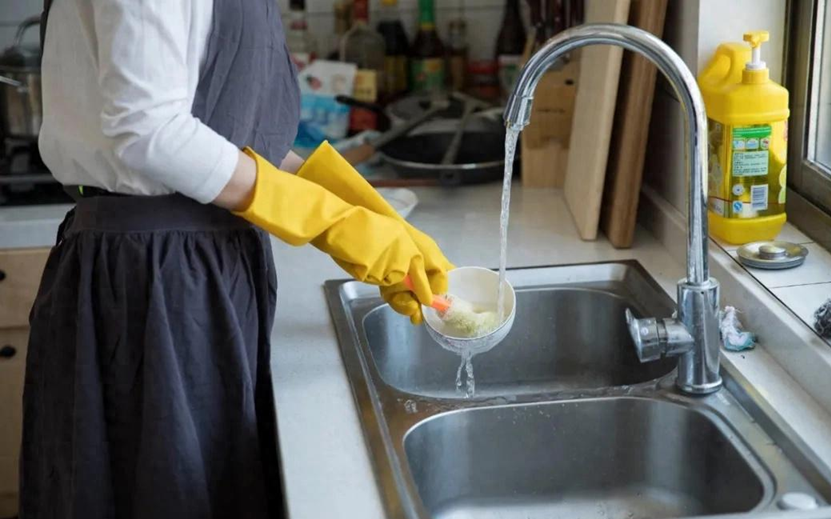
2. Putting dishes straight into the cabinet without drying them
This is a very common habit but one that carries many risks. When dishes are still wet, the high humidity creates favorable conditions for bacteria and mold to grow quickly, especially in enclosed spaces such as kitchen cabinets.
To ensure safety, dishes should be allowed to drain completely or be wiped dry with a clean cloth after washing. Dishcloths should also be washed and dried frequently.
3. Not rinsing dish soap thoroughly
Many people use a lot of dishwashing liquid but only rinse dishes briefly once before putting them away. If detergent residue remains on the surface, these chemicals can enter the body with food and, over time, affect the digestive system and overall health.
When washing dishes, they should be rinsed thoroughly several times under clean running water. In daily life, natural ingredients such as starch powder or baking soda can also be used to help with cleaning and reduce reliance on chemical detergents.
4. Using cotton cloths to dry dishes
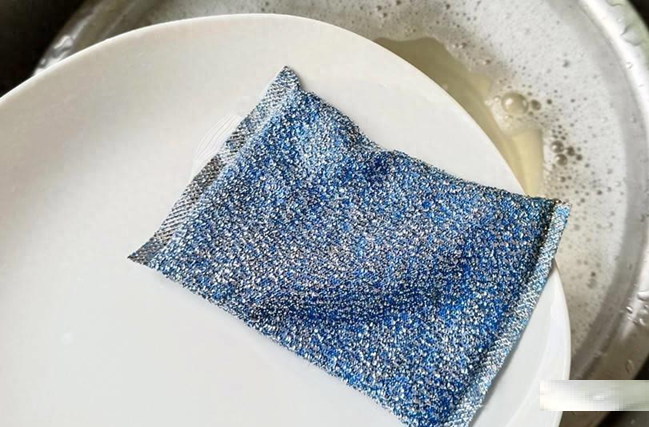
Cotton cloths easily retain moisture and frequently come into contact with many different surfaces, making them prone to accumulating bacteria. Even when washed and sun-dried, it is difficult to completely eliminate germs embedded deep within the fabric fibers.
If used for a long time, bacteria from the cloth can transfer back onto dishes, increasing hygiene risks and affecting health.
To wash dishes more safely and effectively, it is important to change cleaning habits. Choose cleaning tools that dry easily and do not retain water, as this helps limit bacterial growth. After use, clean them thoroughly and allow them to dry completely. At the same time, keep the kitchen and dishwashing area clean every day to prevent grease and residue from building up over time.
In short, washing dishes is not just about making them “look clean,” but about making them truly safe. Small habits, if done incorrectly over a long period, can silently harm the health of the entire family. Making timely changes can help ensure safer, more worry-free meals every day.