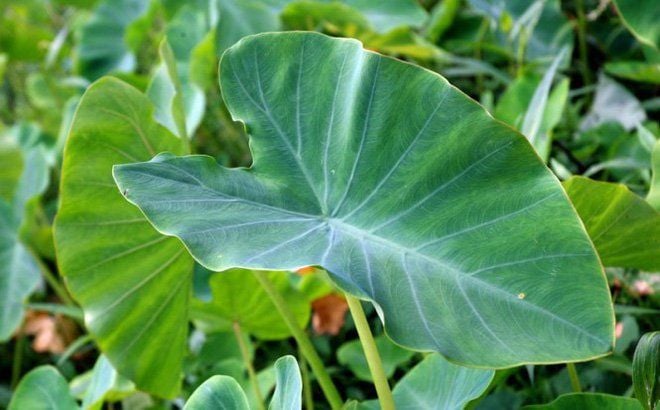
Long before modern nutrition science emerged, ancient civilizations had already identified foods that could nourish both the body and the land. One of the most enduring examples is Taro root, a starchy root vegetable that has sustained populations across Asia, Africa, the Pacific Islands, and parts of the Americas for thousands of years.
Once regarded as a humble staple food, taro root is now gaining renewed attention as a nutrient-dense superfood and a model crop for sustainable agriculture. Its unique nutritional profile, adaptability to challenging environments, and cultural significance position it as a powerful solution for modern health and food security challenges.
An Ancient Crop With Global Roots
Taro root is believed to be one of the earliest cultivated crops in human history. Archaeological evidence suggests it was grown more than 7,000 years ago, particularly in Southeast Asia and the Pacific. From there, it spread through trade and migration, becoming a dietary cornerstone in places such as Polynesia, India, China, West Africa, and the Caribbean.
In many cultures, taro is more than food. It carries symbolic meaning related to life, fertility, and resilience. In Hawaii, for example, taro is deeply tied to identity and ancestry, forming the basis of traditional dishes like poi.

A Nutritional Powerhouse Hidden Underground
Despite its mild taste and simple appearance, taro root offers impressive nutritional value. It is especially rich in complex carbohydrates, making it an excellent source of sustained energy.
Key Nutritional Benefits
-
High in dietary fiber, supporting digestive health and gut balance
-
Rich in potassium, which helps regulate blood pressure and heart function
-
Contains vitamin E, vitamin C, and B vitamins, supporting immunity and metabolism
-
Naturally gluten-free, making it suitable for people with gluten intolerance or celiac disease
Unlike refined starches, taro’s carbohydrates are released slowly, helping maintain stable blood sugar levels and reducing energy crashes.
Supports Digestive and Metabolic Health
One of taro root’s most valuable health benefits lies in its resistant starch content. Resistant starch acts similarly to dietary fiber, feeding beneficial gut bacteria and improving digestive function.
This contributes to:
-
Improved nutrient absorption
-
Reduced inflammation in the gut
-
Better insulin sensitivity
-
Enhanced metabolic balance
For individuals managing diabetes or metabolic disorders, taro can be a more balanced alternative to refined grains when consumed in moderation.
Anti-Inflammatory and Immune-Supporting Properties
Taro root contains natural antioxidants and polyphenols that help combat oxidative stress. Chronic inflammation is linked to many modern diseases, including cardiovascular disease and autoimmune conditions.
Regular inclusion of antioxidant-rich whole foods like taro may:
-
Strengthen immune defenses
-
Support cellular repair
-
Reduce long-term inflammation
In traditional medicine systems, taro has been used to support recovery and overall vitality, particularly in times of physical stress.

A Climate-Resilient and Sustainable Crop
Beyond personal health, taro root plays a crucial role in agricultural sustainability. Unlike many modern crops that require extensive chemical inputs, taro is naturally resilient.
Why Taro Supports Sustainability
-
Thrives in wet, flooded, or marginal soils
-
Requires fewer synthetic fertilizers
-
Produces high yields per hectare
-
Entire plant is usable (roots and leaves)
Taro’s ability to grow in challenging environments makes it especially valuable in regions facing climate change, flooding, or soil degradation.
Reducing Dependence on Industrial Agriculture
As global food systems become increasingly centralized, crops like taro offer an alternative model—localized, resilient, and community-based food production.
By encouraging taro cultivation:
-
Small-scale farmers gain food security
-
Communities reduce dependence on imported staples
-
Biodiversity is preserved
-
Traditional agricultural knowledge is protected
This aligns with modern goals of regenerative farming and sustainable development.
Culinary Versatility Across Cultures
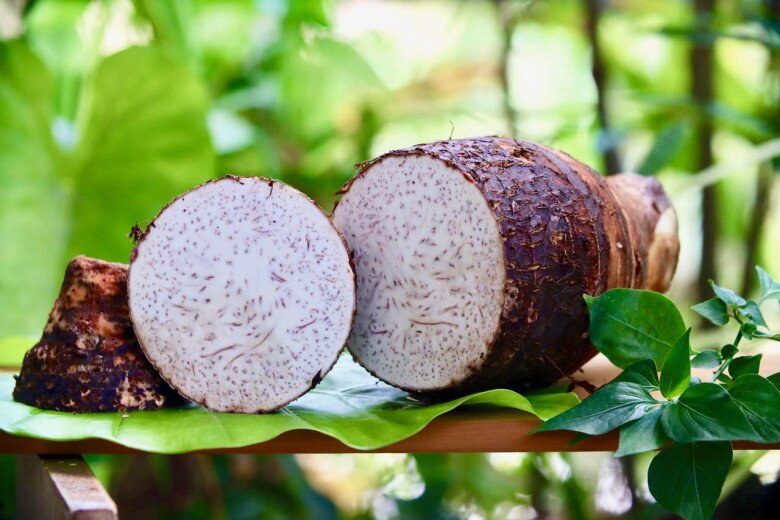
Taro root’s neutral, slightly nutty flavor makes it remarkably versatile in cooking. When properly cooked, it becomes creamy and satisfying, similar to potatoes but with a richer texture.
Popular uses include:
-
Boiled or steamed taro as a staple side dish
-
Mashed taro in traditional preparations
-
Added to soups, curries, and stews
-
Processed into flour for baking
-
Used in desserts such as taro cakes and puddings
Taro leaves are also edible when cooked thoroughly and are rich in nutrients, further reducing food waste.
Safety and Proper Preparation
It is important to note that raw taro contains calcium oxalate crystals, which can cause irritation if consumed uncooked. However, proper cooking completely neutralizes this issue.
Safe preparation includes:
-
Boiling, steaming, or baking thoroughly
-
Wearing gloves when handling raw taro if skin sensitivity occurs
Once cooked, taro is entirely safe and highly nutritious.
The Future of Food May Look to the Past
As modern societies face rising rates of chronic disease, environmental degradation, and food insecurity, ancient crops like taro root are offering practical solutions rooted in history.
Taro represents:
-
Nutritional balance over ultra-processing
-
Sustainability over resource depletion
-
Cultural continuity over agricultural uniformity
Reintroducing taro into modern diets is not about nostalgia - it is about resilience, health, and a more sustainable future.
Final Thoughts
Taro root stands at the intersection of ancient wisdom and modern necessity. It nourishes the body, supports sustainable farming, and strengthens food systems from the ground up.
In a world searching for smarter ways to eat and grow, taro root quietly reminds us that some of the most powerful solutions have been with us all along - growing patiently beneath the soil.