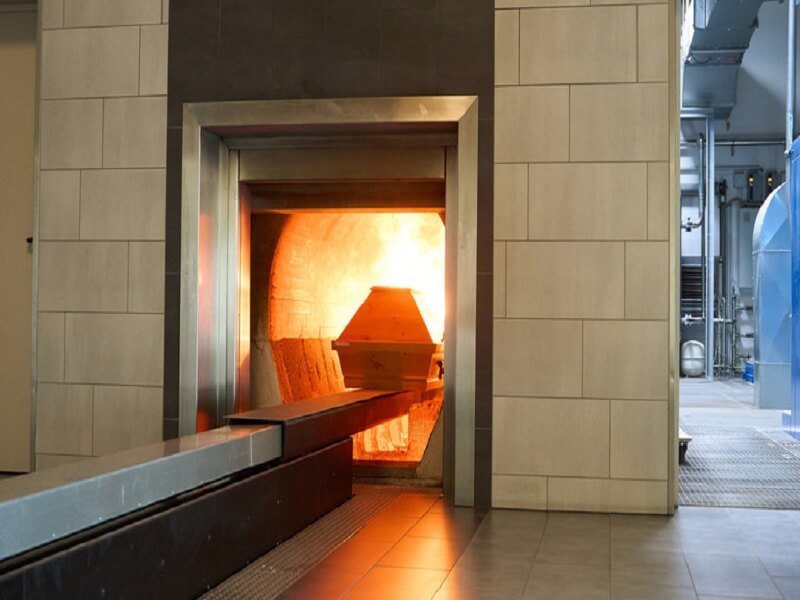
Few questions are as timeless or as deeply human - as what happens after death. Across cultures, religions, and philosophies, people have tried to understand the relationship between the body and the soul, and whether the fate of one affects the other. As cremation becomes increasingly common around the world, a natural question arises: what happens to the soul when the body is cremated?
The answer depends not on biology, but on belief. Science, spirituality, and tradition approach this question from very different angles, and together they reveal something profound - not just about death, but about how humans understand life itself.
The Physical Perspective: What Science Can and Cannot Say
From a scientific standpoint, cremation affects only the physical body. The process reduces organic matter to basic elements through intense heat. Consciousness, personality, memory, and emotion are understood by science as products of brain activity, and when the brain ceases to function, awareness ends.
However, science does not define or measure the soul. There is no scientific instrument capable of detecting it, weighing it, or observing its movement. As a result, science neither confirms nor denies the soul’s existence - it simply remains silent on the question.
This silence is not dismissal; it is limitation. The soul, if it exists, belongs to a metaphysical realm beyond empirical testing.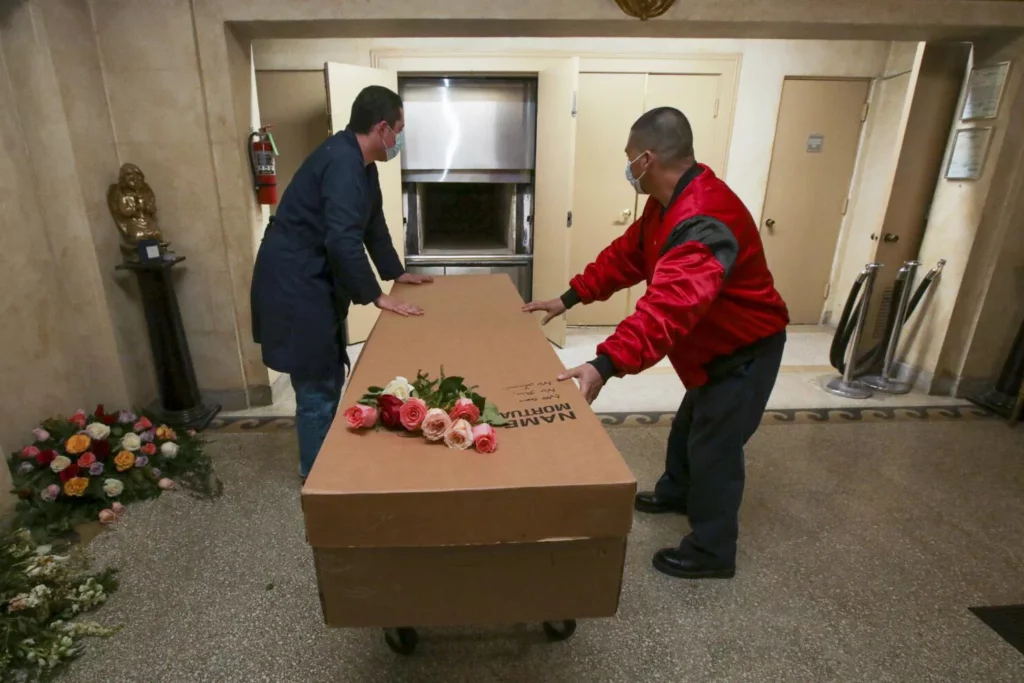
Spiritual Views: The Soul Is Not the Body
Most spiritual traditions agree on one core idea: the soul is independent of the physical body. In these belief systems, cremation does not harm, trap, or alter the soul in any way.
Instead, death marks a separation:
-
The body returns to nature
-
The soul continues its journey
From this perspective, cremation is simply a method of handling physical remains. Fire may transform flesh and bone, but it has no power over consciousness or essence.
Religious Interpretations Across Cultures
Eastern Philosophies
In traditions that emphasize reincarnation, the soul is seen as eternal, cycling through multiple lives. Cremation is often viewed as a liberating process, symbolizing the release of the soul from its physical vessel so it can move on to its next existence.
Fire, in these traditions, is not destructive - it is purifying.
Western Religious Views
In many monotheistic traditions, the soul is believed to face judgment or reunite with a higher power after death. While burial was historically preferred, most modern interpretations agree that cremation does not affect salvation or the soul’s destiny.
The soul’s fate is determined by moral life, faith, or divine will - not by how the body is treated after death.
Philosophical Reflections: Identity Beyond Matter
Philosophers have long debated whether the soul is a distinct entity or simply a name for consciousness. Even among thinkers who doubt a literal soul, many agree that a person is more than their physical form.
Memories, relationships, influence, and meaning do not burn away with the body. In this sense, something of us continues - through legacy, through impact, through the minds of others.
Cremation, then, becomes symbolic rather than threatening: the end of physical presence, not the end of significance.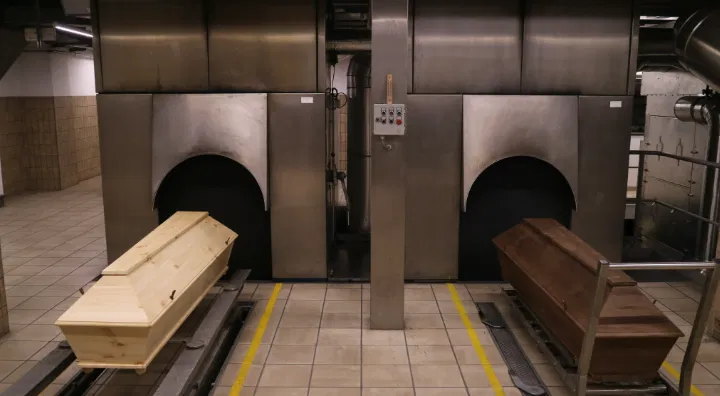
Symbolism of Fire: Destruction or Transformation?
Fire has always carried dual meaning. It destroys, but it also transforms. In myth, ritual, and storytelling, fire often marks transitions - death to rebirth, matter to spirit, end to beginning.
Cremation reflects this symbolism:
-
The body is returned quickly to elemental form
-
The transition is visible, immediate, and final
-
The focus shifts from physical remains to remembrance
For many families, cremation emphasizes that what truly mattered was never the body itself, but the life lived within it.
Fear and Misconceptions About Cremation
Some fear that cremation could cause pain to the soul, trap it, or disrupt its peace. These fears usually arise from:
-
Literal interpretations of symbolism
-
Cultural taboos around fire
-
Emotional discomfort with impermanence
Yet across belief systems, there is no widely accepted doctrine that suggests the soul suffers because of cremation. On the contrary, many traditions describe the soul as leaving the body at or before the moment of death, long before cremation occurs.
The Deeper Question Beneath the Question
When people ask what happens to the soul during cremation, they are often asking something else entirely:
-
Does death end everything?
-
Is identity more than flesh?
-
Does meaning survive loss?
Cremation confronts us with impermanence. It removes the illusion that the body can be preserved forever. In doing so, it invites reflection on what truly endures.
Conclusion: The Soul Is Not Made of Ash
Whether one believes in an immortal soul, reincarnation, divine judgment, or symbolic continuity, one idea remains consistent: the soul is not made of matter. It is not burned, broken, or buried.
Cremation changes the body - but beliefs, love, memory, and meaning exist on a different plane entirely.
Perhaps the most honest answer is this: If the soul exists, fire cannot touch it. And if it does not, what remains is still everything that life ever was.
In the end, cremation does not define what happens to the soul. Belief does.