Calcium is one of the most important minerals in the body, playing a crucial role in maintaining strong bones and teeth, supporting muscle function, and ensuring proper nerve transmission. It’s essential for people of all ages, particularly as we age and our bones naturally begin to lose density. However, certain habits and lifestyle choices can interfere with the body’s ability to absorb and retain calcium, making our bones more susceptible to weakening. These "silent ki.llers" can gradually drain calcium from your bones without you even realizing it.
Let’s explore three common culprits that are silently draining your calcium and potentially weakening your bones over time.
1. Excessive Alcohol Consumption: A Silent Bone Destroyer
Many people are unaware of the negative effects alcohol can have on bone health. While moderate alcohol consumption may not immediately impact calcium levels, chronic drinking or binge drinking can have severe long-term consequences. Alcohol interferes with the body’s ability to absorb and retain calcium, primarily by disrupting the activity of osteoblasts (the cells responsible for bone formation) and osteoclasts (the cells responsible for bone resorption). Over time, excessive drinking can lead to lower bone mineral density, increasing the risk of fractures and conditions like osteoporosis.
How does alcohol affect calcium absorption? Here are some ways alcohol can damage your bones:
-
Reduced calcium absorption: Alcohol affects the production of stomach acid, which is essential for calcium absorption in the intestines. This reduction in stomach acid can lead to decreased calcium intake, leaving your bones without the necessary building blocks for strength.
-
Decreased vitamin D levels: Vitamin D plays an important role in calcium absorption. Alcohol can lower the body’s ability to convert sunlight into vitamin D, which further inhibits calcium absorption.
-
Increased calcium excretion: Alcohol increases the amount of calcium excreted in urine. Excessive drinking can lead to a significant loss of calcium over time, further compromising bone density.
If you drink regularly, it’s crucial to do so in moderation. Limiting alcohol intake can help maintain optimal calcium levels in your body and protect your bones from long-term dam.age.
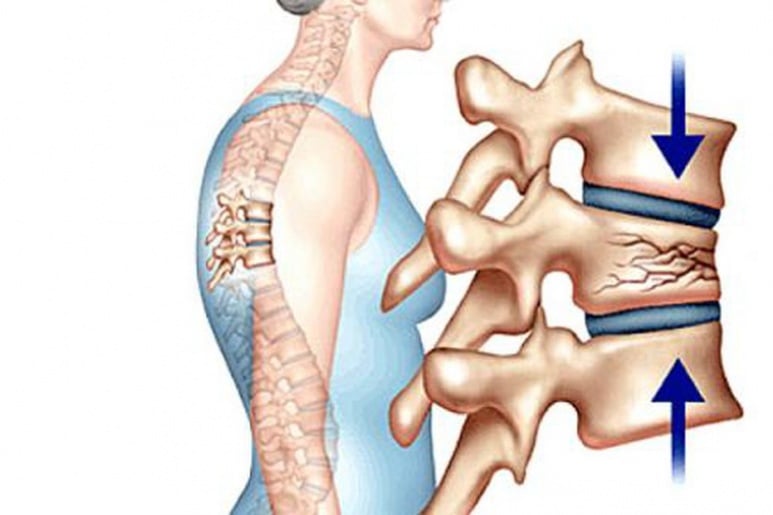
2. The Soda Trap: How Carbonated Drinks Drain Calcium
Soda is another silent killer of bone health. While many people think of soda as a tasty treat or a refreshing beverage, it can have serious implications for your bones. The primary issue lies in the high levels of phosphoric acid found in many sodas, particularly cola-based drinks.
Phosphoric acid can interfere with calcium balance in the body in two key ways:
-
Calcium loss through urine: Phosphoric acid can cause the kidneys to excrete more calcium in urine. This loss of calcium can eventually deplete your bones, leading to weaker bone structure and increased risk of fractures.
-
Inhibited calcium absorption: The acidity of soda can interfere with calcium absorption in the digestive system, reducing the amount of calcium available to the bones.
Additionally, many sodas are high in sugar, which can lead to an increase in insulin production. High insulin levels can also interfere with the body’s calcium balance, leading to further loss of calcium from the bones.
To protect your bone health, it’s essential to limit soda consumption. Opt for healthier drinks like water, herbal teas, or milk to ensure that your body is getting the nutrients it needs to maintain strong bones.

3. The Caffeine Conundrum: How Your Coffee Habit Can Affect Bone Health
Coffee and other caffeinated drinks, such as tea and energy drinks, are a daily habit for many people around the world. While caffeine has numerous benefits, such as improving alertness and mood, it also has its downsides, particularly when it comes to bone health.
Caffeine is known to increase calcium excretion through urine. Research has shown that for every cup of coffee or caffeinated beverage consumed, your body may lose up to 5 milligrams of calcium in urine. This loss is not significant in one or two cups of coffee, but for those who drink multiple cups each day, it can add up and create a notable calcium deficit over time.
While moderate caffeine intake is generally not harmful to bone health, excessive caffeine consumption can lead to a gradual depletion of calcium from the bones. In particular, people who already have low calcium intake or inadequate bone density are more susceptible to the negative effects of caffeine on bone health.
To minimize the risk of calcium loss, it’s important to balance caffeine intake with sufficient calcium-rich foods, such as dairy products, leafy greens, or fortified non-dairy alternatives. If you’re a heavy coffee drinker, consider limiting your intake or switching to decaffeinated options.

How to Protect Your Bones and Keep Calcium Levels Strong
While these "silent killers" can have a negative impact on your calcium levels, there are steps you can take to protect your bones and ensure they remain strong and healthy.
-
Maintain a balanced diet: A diet rich in calcium and vitamin D is essential for healthy bones. Incorporate calcium-rich foods such as dairy products, leafy green vegetables, almonds, and fortified non-dairy alternatives like soy or almond milk. Vitamin D is crucial for calcium absorption, so make sure you’re getting enough from sources like fatty fish, fortified foods, and sunlight.
-
Exercise regularly: Weight-bearing exercises, such as walking, running, and strength training, help stimulate bone formation and strengthen bone density. Aim for at least 30 minutes of exercise most days of the week.
-
Limit or eliminate ha.rmful habits: Reduce alcohol intake, limit soda and caffeine consumption, and avoid smoking. These lifestyle changes will go a long way in maintaining healthy calcium levels and supporting your bone health.
-
Consider supplements if needed: If you’re unable to meet your calcium and vitamin D needs through diet alone, consider taking supplements after consulting with a healthcare provider. This can help ensure that your bones get the nutrients they need to remain strong and healthy.
Conclusion: Protect Your Bones from the Silent Ki.llers
Your bones are vital to your overall health, and taking care of them should be a priority. While alcohol, soda, and caffeine are common "silent ki.llers" that can drain calcium from your body, the good news is that with the right diet and lifestyle changes, you can protect your bones and prevent future damage. By being mindful of what you consume and making simple, healthy choices, you can maintain strong bones and a healthier, happier life.