Two Types of Fish Rich in Collagen That Are Affordable and Easy to Find
When people think about collagen, they often imagine expensive powders, supplements, or beauty drinks. But the truth is much simpler. Some of the best natural sources of collagen are common fish that many families already buy—often at a very low cost.
Among them, two types of fish stand out for being rich in collagen, widely available, and budget-friendly. With the right preparation, they can support skin, joints, and overall nutrition without putting pressure on your wallet.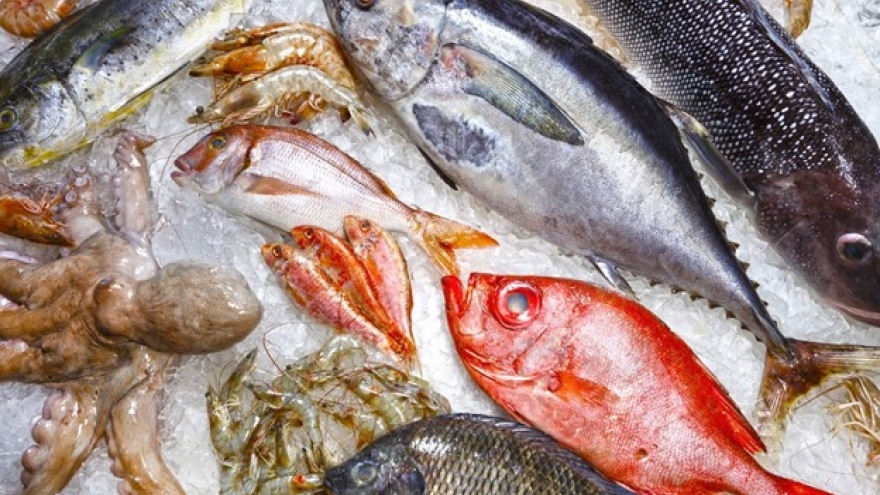
Why Collagen From Fish Matters
Collagen is a protein that helps maintain:
-
Skin elasticity
-
Joint flexibility
-
Healthy bones and connective tissue
As we age, natural collagen production slows down. This is why diet matters. Fish collagen is especially valued because it is easier for the body to absorb compared to collagen from some other animal sources.
Even better, collagen from food comes with extra nutrients like amino acids, minerals, and healthy fats.
Fish Type #1: Freshwater Carp and Similar White Fish
Common freshwater fish such as carp are often overlooked, but they are excellent natural collagen sources.
Why carp is a smart choice
-
High collagen content in skin, bones, and connective tissue
-
Mild flavor, easy to cook
-
Widely sold in local markets
-
Much cheaper than salmon or cod
Most of the collagen is not in the fillet itself, but in the fish skin, head, and bones. When these parts are simmered slowly, collagen is released into the broth, creating a rich, nourishing soup.
Best ways to use it
-
Fish bone soup
-
Slow-cooked fish head stew
-
Steamed fish with skin on
These dishes are common in many traditional kitchens for a reason—they are nutritious, filling, and economical.
Fish Type #2: Small Oily Fish (Anchovies, Sardines, Smelt)
Small fish eaten whole are another powerhouse of natural collagen.
Why small fish are collagen-rich
-
The skin, bones, and connective tissue are consumed together
-
High in collagen-building amino acids
-
Also rich in calcium and omega-3 fatty acids
-
Extremely affordable and easy to buy
Because these fish are eaten whole, you don’t lose the collagen-rich parts during preparation. This makes them one of the most efficient collagen foods available.
Best ways to use them
-
Lightly fried or grilled
-
Dried and added to soups
-
Simmered gently to avoid overcooking
Simple cooking methods help preserve both nutrients and texture.

Why These Fish Are Better Than Supplements for Many Families
Collagen supplements can be convenient, but they are not always necessary.
Whole foods offer advantages that supplements cannot:
-
Additional nutrients beyond collagen
-
Better satiety and meal satisfaction
-
Lower long-term cost
-
No added sugars or artificial flavors
For families cooking daily meals, adding collagen-rich fish once or twice a week is often more practical and sustainable than buying supplements.
How to Maximize Collagen When Cooking Fish
To get the most collagen benefits, preparation matters.
Simple tips:
-
Cook at low to medium heat
-
Avoid over-frying fish skin
-
Use slow simmering for soups and broths
-
Include bones and skin when safe and appropriate
Clear fish broth that thickens slightly when cooled is a sign that collagen has been released.
Who Can Benefit Most From These Fish
These collagen-rich fish are especially helpful for:
-
Adults concerned about skin aging
-
People with joint stiffness
-
Those recovering from illness
-
Families looking for affordable nutrition
They are also easy to adapt into meals for children and elderly family members when prepared softly.

A Simple Reminder About Balance
While these fish are nutritious, no single food is a miracle solution. Collagen works best as part of a balanced diet that includes vegetables, fruits, adequate protein, and proper hydration.
Eating a variety of foods helps the body use collagen effectively.