Doctors Warn: Certain Symptoms Require Immediate Medical Attention to Rule Out Advanced Nasopharyngeal Cancer
Medical experts are urging the public to remain vigilant after noting that nasopharyngeal cancer (NPC) is often diagnosed at a late stage due to its subtle and easily overlooked early symptoms.
Nasopharyngeal cancer develops in the upper part of the throat behind the nose. Because its early signs resemble common conditions such as colds or sinus infections, many patients delay seeking medical care until the disease has progressed.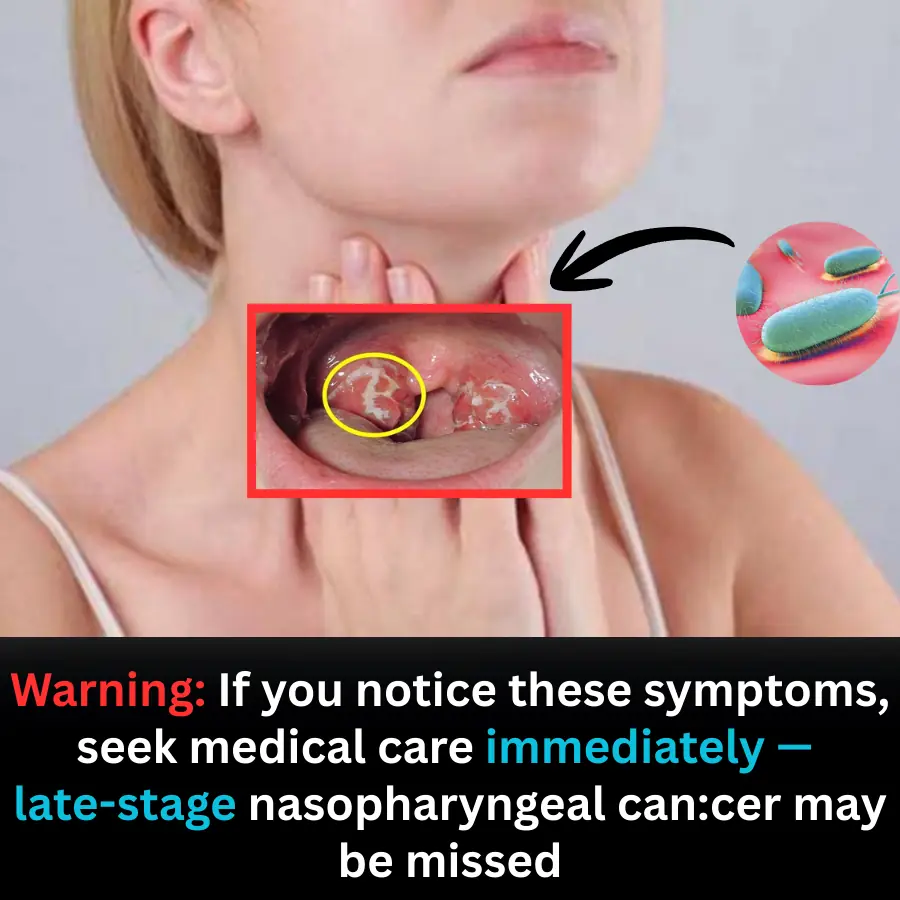
Key warning signs that should not be ignored
Doctors stress that any of the following symptoms persisting for more than two to three weeks should prompt an immediate hospital visit:
-
Persistent nasal congestion or blockage, especially on one side
-
Frequent nosebleeds without obvious cause
-
Ringing in the ears or hearing loss, particularly in one ear
-
Lumps in the neck caused by swollen lymph nodes
-
Chronic sore throat or difficulty swallowing
-
Unexplained headaches or facial numbness
“These symptoms are often dismissed as minor ENT problems,” specialists explain, “but when they persist, they require thorough examination.”
Why early detection is critical
When diagnosed early, nasopharyngeal cancer is highly treatable, with significantly improved survival rates. However, late-stage diagnosis often means the cancer has spread to lymph nodes or nearby organs, making treatment more complex and outcomes less favorable.
Who is at higher risk?
Medical studies indicate higher risk among:
-
Individuals with a family history of nasopharyngeal cancer
-
People exposed to smoking, alcohol, or preserved foods high in nitrosamines
-
Those with chronic Epstein–Barr virus (EBV) infection
Doctors’ advice
Healthcare professionals emphasize:
-
Do not self-medicate for persistent ENT symptoms
-
Seek specialist evaluation if symptoms do not resolve
-
Early screening can be life-saving
“A hospital visit at the right time can mean the difference between early treatment and late-stage disease,” doctors conclude.