Do Vegetables Really Contain “Hidden Worms”? The Truth About Parasites, Raw Foods, and Food Safety
Images and headlines claiming that “vegetables contain nests of hidden worms” and that eating them raw is equivalent to “swallowing parasites” can be alarming. These messages spread quickly online, often creating unnecessary fear around healthy foods.
The truth is more nuanced. Vegetables do not naturally contain parasite nests, and eating raw vegetables does not automatically infect you with worms. However, improperly washed or contaminated produce can carry parasite eggs or larvae, which is why correct handling matters.
Understanding the science helps protect your health — without panic.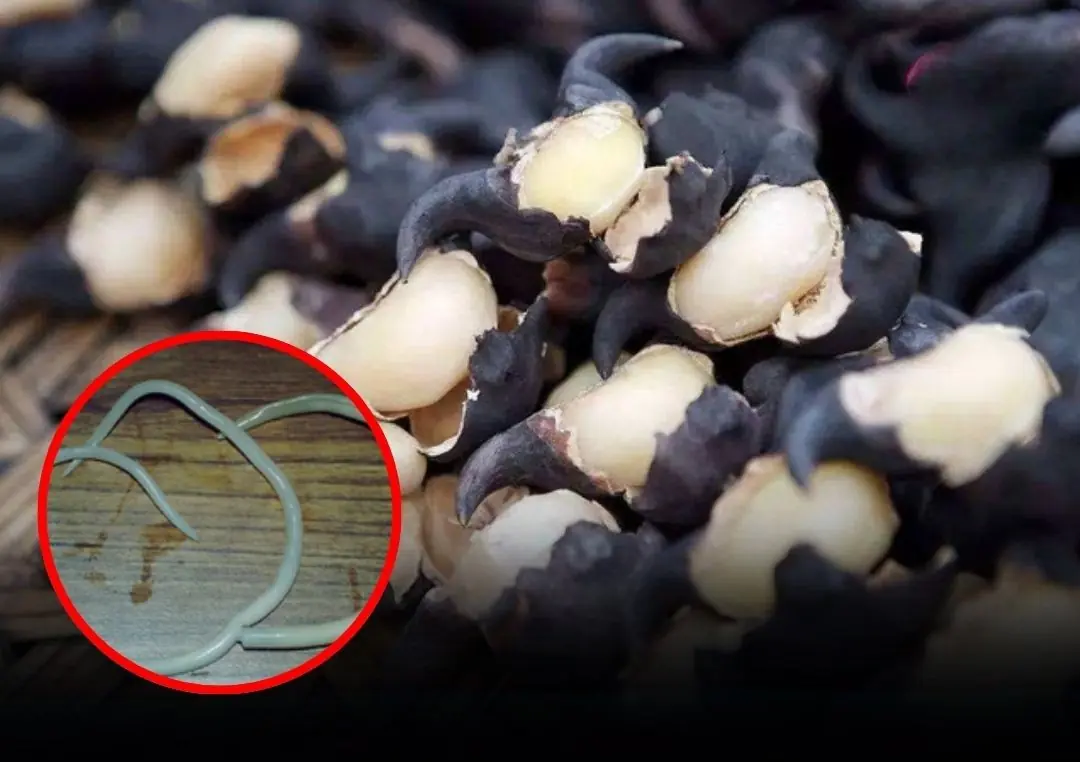
Where Does This Fear Come From?
The fear usually comes from:
-
Misidentified plant fibers mistaken for worms
-
Images of parasites taken out of context
-
Real but rare cases of food contamination
-
Sensational headlines designed to shock
In many viral images, what looks like “worms” is actually plant tissue, roots, or natural fibers, not parasites.
Can Parasites Be Found on Vegetables?
Yes — but not in the way social media claims.
Vegetables grown in soil can occasionally be contaminated with:
-
Parasite eggs from animal feces
-
Bacteria from polluted water
-
Insects or larvae on the surface
This contamination happens on the outside of vegetables, not hidden nests inside them. Proper cleaning removes the risk.
Vegetables Commonly Mentioned — and the Real Risk
Certain vegetables are often singled out in viral posts because they grow close to the ground:
1. Leafy Greens (Lettuce, Spinach, Herbs)
Their layered leaves can trap dirt, bacteria, or parasite eggs on the surface, not inside.
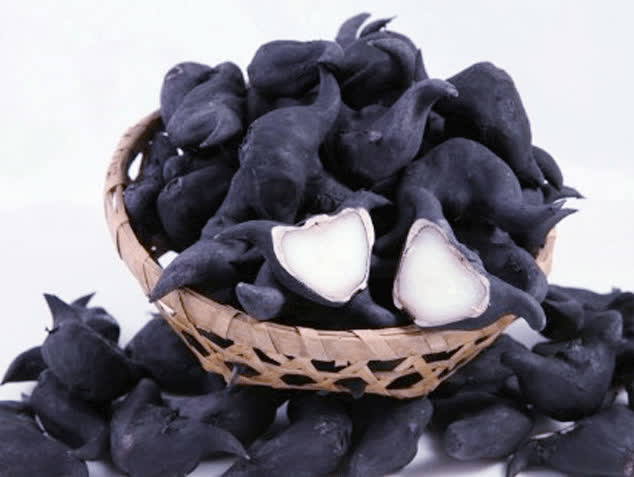
2. Water Plants (Watercress, Lotus, Aquatic Greens)
If grown in polluted water, they may carry parasites, which is why they should never be eaten raw unless sourced safely.
3. Root Vegetables (Carrots, Radishes)
Soil contact increases contamination risk, but washing and peeling removes it completely.
4. Cabbage and Broccoli
Their dense structure may hold dirt, but thorough washing is effective.
5. Sprouts
Sprouts are more vulnerable to bacterial growth, which is why many health agencies advise cooking them, especially for high-risk individuals.
None of these vegetables contain “nests of worms” by nature.
What Happens If You Eat an Unwashed Vegetable?
Eating an unwashed vegetable does not guarantee infection. The human digestive system is resilient. However, repeated exposure to contaminated food can increase the risk of:
-
Intestinal parasites
-
Bacterial infections
-
Digestive upset
The risk depends on hygiene, environment, and immune health, not the vegetable itself.
How to Eat Vegetables Safely (Without Fear)
1. Wash Thoroughly
Rinse vegetables under running water. For leafy greens:
-
Separate leaves
-
Wash individually
-
Drain well
2. Soak When Necessary
Soaking vegetables in clean water for 10–15 minutes helps loosen dirt. Vinegar or salt water may reduce microbes but does not replace rinsing.
3. Peel When Appropriate
Peeling root vegetables further reduces risk.
4. Cook High-Risk Vegetables
Water plants, sprouts, and vegetables from uncertain sources should be cooked.
5. Buy From Reliable Sources
Clean farming practices dramatically reduce contamination risk.