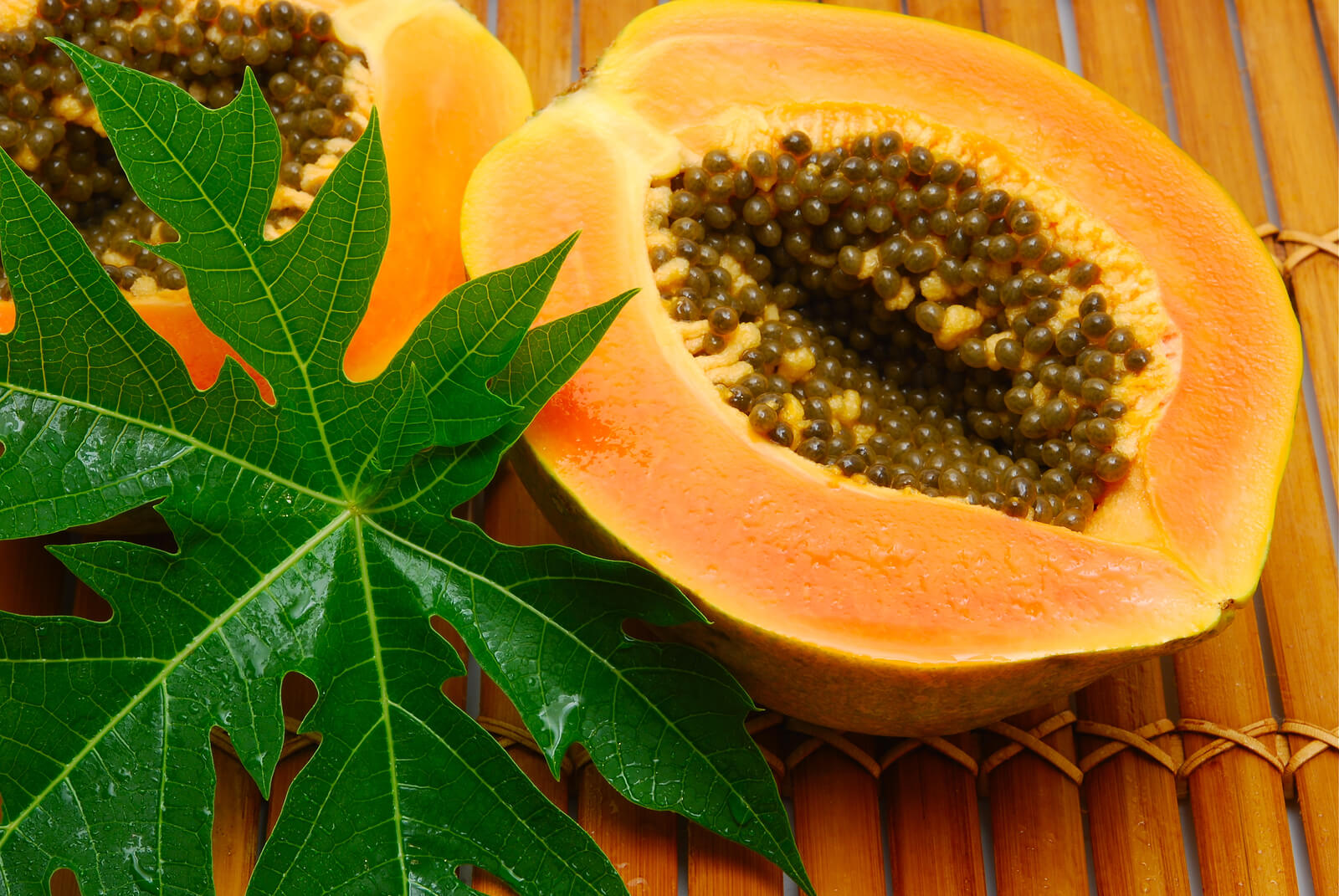
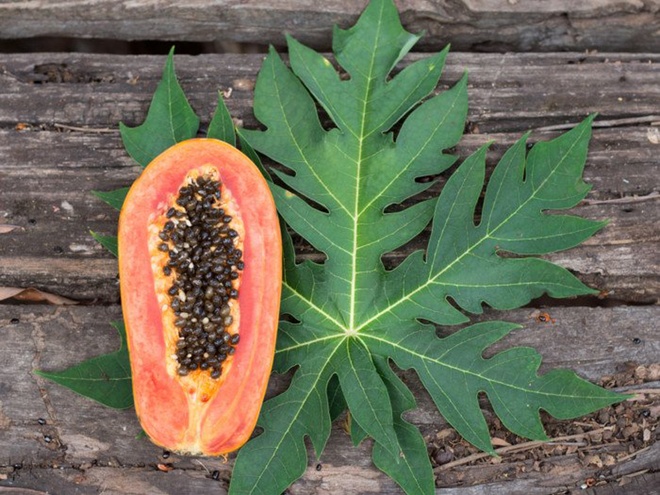
When people think of papaya, they usually picture the sweet, orange fruit. Rarely do they notice the large, deeply lobed leaves that grow above it. Yet for centuries, papaya leaves have held a respected place in traditional medicine across Asia, Africa, and South America. Long before modern supplements existed, these leaves were valued as a supportive, strengthening, and balancing natural remedy.
Today, papaya leaves are being rediscovered—not as a miracle cure, but as one of nature’s most overlooked sources of bioactive plant compounds that may support overall health when used responsibly.
What Are Papaya Leaves?
Papaya leaves come from the papaya tree, scientifically known as Papaya. Unlike the fruit, the leaves are bitter, fibrous, and powerful in composition. They are typically consumed as:
-
Fresh juice
-
Herbal tea
-
Extracts or capsules
In traditional use, small, controlled amounts were emphasized, reflecting respect for the plant’s potency.
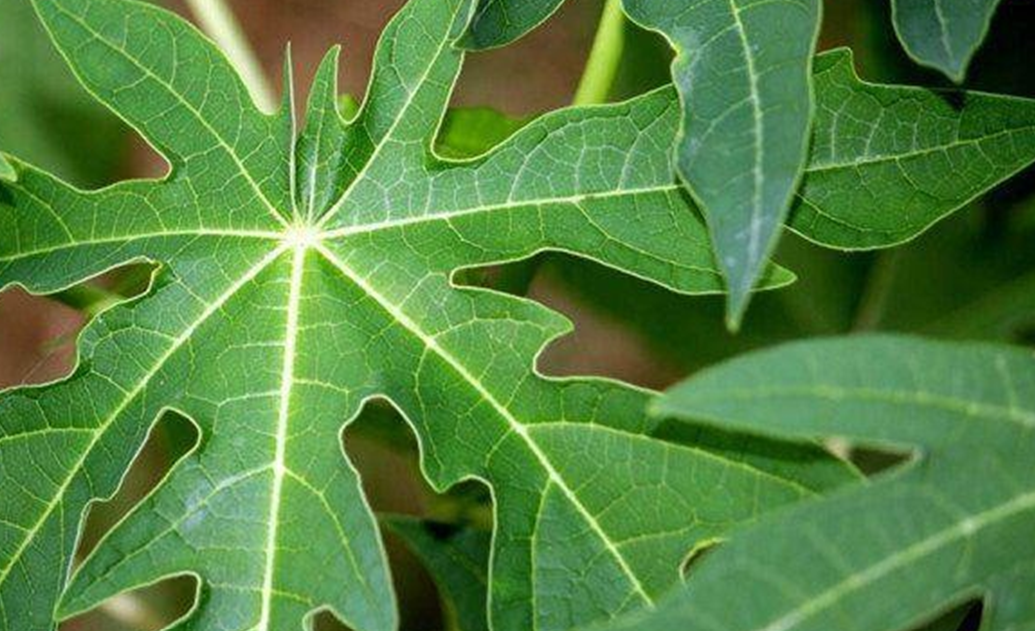
Key Compounds Found in Papaya Leaves
Papaya leaves contain a unique mix of plant chemicals that give them their traditional value, including:
-
Papain and chymopapain – enzymes that support digestion
-
Flavonoids and phenolic compounds – antioxidants
-
Alkaloids and glycosides – biologically active plant substances
-
Vitamins A, C, E, and B-complex
-
Minerals such as calcium, magnesium, and iron
Together, these compounds contribute to the leaf’s reputation as a supportive, not aggressive, natural remedy.
Traditional and Potential Health Benefits
1. Immune System Support
Papaya leaf preparations have long been used to support the body during periods of weakness or recovery.
Traditionally, they were believed to:
-
Strengthen immune response
-
Support the body during infections
-
Help the system recover more efficiently
Modern research is exploring how papaya leaf compounds interact with immune cells, though studies are ongoing.
2. Supporting Healthy Blood Components
One of the most well-known traditional uses of papaya leaf is its role in supporting healthy platelet levels, particularly during viral illnesses.
While this does not replace medical treatment, controlled studies have observed that papaya leaf extract may support normal blood parameters under medical supervision.
3. Digestive Health and Gut Balance
The enzymes in papaya leaves may help:
-
Support digestion
-
Reduce feelings of bloating
-
Assist protein breakdown
This is why papaya leaves were traditionally taken after heavy meals or during digestive discomfort.
4. Anti-Inflammatory and Antioxidant Support
Chronic inflammation and oxidative stress are linked to many modern health challenges. Papaya leaves contain antioxidants that may help:
-
Neutralize free radicals
-
Support cellular protection
-
Promote internal balance
This makes them a popular choice in traditional wellness routines focused on long-term vitality.
5. Liver and Detox Support (Traditional Use)
In folk medicine, papaya leaves were often associated with liver support—not as a “cleanse,” but as a way to support the body’s natural
detoxification systems.
This belief stems from the liver’s role in processing toxins and the leaf’s bitter compounds, which traditionally symbolized cleansing support.
6. Skin and Hair Support
When taken in small amounts or applied externally, papaya leaf preparations were traditionally used to:
-
Support clearer skin
-
Reduce the appearance of blemishes
-
Promote scalp balance
Its antimicrobial properties were especially valued for skin comfort.
How Papaya Leaves Are Traditionally Used
Papaya Leaf Tea
-
Fresh or dried leaves are simmered gently
-
The tea is bitter and usually consumed in small amounts
Papaya Leaf Juice
-
Fresh leaves are crushed and strained
-
Only small doses are taken due to potency
External Applications
-
Cooled infusions applied to skin
-
Used gently and briefly

Important Safety Considerations
Papaya leaves are powerful and not suitable for everyone.
Avoid or consult a healthcare professional if:
-
Pregnant or breastfeeding
-
Allergic to papaya or latex
-
Taking blood-thinning medications
-
Managing liver or kidney conditions
Excessive intake can cause nausea, irritation, or toxicity. Traditional wisdom emphasizes moderation and respect.
What Papaya Leaves Are Not
To be clear and responsible:
-
Papaya leaves do not cure cancer
-
They do not replace medical treatment
-
They are not safe in unlimited amounts
Their value lies in supporting the body, not overriding it.
Why Papaya Leaves Are Being Rediscovered Today
In a world of synthetic supplements and quick fixes, papaya leaves represent a different philosophy:
-
Whole-plant use
-
Gradual support
-
Deep respect for natural balance
They remind us that some of nature’s most valuable tools are not flashy or sweet but bitter, overlooked, and quietly powerful.
Final Thoughts
Papaya leaves are not a modern invention. They are a legacy - passed down through generations who understood that healing is often subtle, patient, and rooted in balance.
When used carefully and with proper guidance, papaya leaves can be a meaningful addition to a natural wellness approach. Not as a miracle. But as a reminder that nature often hides its strongest gifts in the most unexpected places.
Sometimes, the real secret isn’t discovering something new - it’s learning to see what has been there all along.