During the hot summer months, mosquitoes and insects become an unavoidable problem for many households. Beyond the constant itching and discomfort they cause, these pests pose a much more serious threat by spreading dangerous diseases such as dengue fever, malaria, and other infectious illnesses. As concerns about chemical repellents grow - especially for families with children, elderly members, or pets - more people are turning back to natural, plant-based solutions that are both safe and effective.
One traditional and time-tested method involves the use of plant leaves, particularly wormwood leaves, which have long been known for their powerful insect-repelling properties.
Wormwood Leaves – A Traditional, Natural Solution for Repelling Mosquitoes
Wormwood leaves have a distinctive, strong aroma that mosquitoes and many other insects find extremely unpleasant. For generations, this plant has been widely used in homes, especially in regions with long, hot summers, as a natural way to keep pests away without relying on synthetic chemicals.
Beyond repelling insects, wormwood is also believed to help freshen indoor air, creating a cleaner and more comfortable living environment. There are several simple yet effective ways to use wormwood leaves at home.:quality(75)/cach_duoi_muoi_trong_phong_0826905c5b.jpg)
1. Hanging Wormwood Leaves at Doors and Windows
One of the easiest and most common methods is to bundle fresh wormwood leaves and hang them at the main entrance, windows, or balconies. As air circulates, the strong scent released by the leaves forms a natural barrier that discourages mosquitoes and insects from entering the house.
This method is not only highly effective but also affordable and easy to maintain, making it a popular choice in many households.
2. Placing Wormwood Leaves in Room Corners
In addition to doorways, wormwood leaves can be placed in corners of rooms, near windows, under beds, or in areas where mosquitoes tend to gather. These strategic placements help create multiple layers of protection throughout the home.
When replaced regularly, wormwood leaves act as a natural shield, reducing the number of insects indoors without affecting air quality or human health.
3. Boiling Wormwood Leaves to Freshen the Air
Another traditional approach is to boil wormwood leaves in water and allow the steam to circulate throughout the house. This method not only repels mosquitoes but also helps neutralize odors and refresh indoor air.
Some families pour the cooled liquid into bowls and place them in rooms, while others use it to lightly wipe floors or window areas for extended protection.
Other Plants That Naturally Repel Mosquitoes and Insects
Wormwood is not the only plant with mosquito-repelling properties. Many other common plants can be used individually or combined to enhance protection, all without exposing your family to harmful chemicals.
1. Perilla Leaves
Perilla leaves are well known in cooking, but their usefulness extends far beyond the kitchen. Their aroma contains natural compounds, including eugenol, which mosquitoes strongly dislike.
Perilla leaves can be placed around the home, boiled to create a natural repellent solution, or gently crushed and applied to soothe itching from mosquito bites - making them both preventive and soothing.
2. Lemongrass
Lemongrass is one of the most popular natural mosquito repellents. Its strong citrus scent comes from citral, a compound widely used in commercial insect repellents.
You can plant lemongrass around your home, keep potted plants near windows, or crush the leaves to make a homemade spray. Lemongrass not only keeps mosquitoes away but also adds a refreshing fragrance to your surroundings.
3. Mint Leaves
Mint leaves release a cool, pleasant aroma that insects find overwhelming. Fresh mint can be grown easily in gardens or pots and placed in rooms where mosquitoes are most active.
Mint essential oil is also commonly used, but even simple methods—like placing fresh leaves in corners—can significantly reduce insect presence indoors.
4. Basil Leaves
Basil is another versatile plant with both culinary and pest-repelling uses. The scent of basil is irritating to mosquitoes, making it an effective natural deterrent.
You can place basil plants in the kitchen, near windows, or crush the leaves and gently rub them on the skin as a mild, natural insect repellent.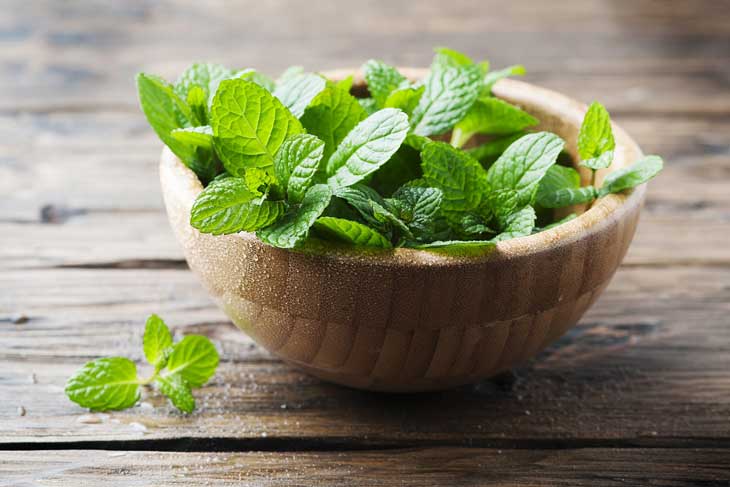
5. Chrysanthemum Leaves
Chrysanthemum leaves contain compounds traditionally used in insect-repelling products. Placing these leaves in areas like kitchens, bathrooms, or near drains can help keep mosquitoes away naturally.
Some households also dry chrysanthemum leaves and use them to create homemade repellents.
6. Fern Leaves
Ferns are not only decorative indoor plants but also help deter insects. Their presence contributes to cleaner air, and their natural scent discourages mosquitoes. Keeping ferns inside the home adds greenery while providing an additional layer of protection.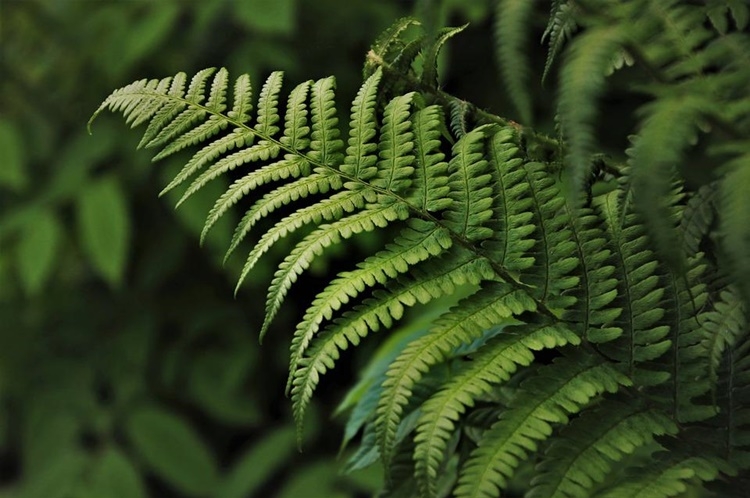
Why Choose Natural Plant-Based Mosquito Repellents?
Using plant leaves to repel mosquitoes offers several clear advantages:
-
Safe for Health: Natural plants are generally safe for humans, including children and pets, unlike many chemical sprays.
-
Environmentally Friendly: They do not release harmful substances into the air or environment.
-
Cost-Effective: Most of these plants are affordable, easy to grow, and reusable.
-
Pleasant Atmosphere: Many of these plants enhance indoor air quality and add natural fragrance to the home.
Conclusion
Using plant leaves to repel mosquitoes and insects is a safe, effective, and eco-friendly alternative to chemical repellents. Plants such as wormwood, perilla, lemongrass, mint, basil, chrysanthemum, and fern not only protect your home from pests but also improve the overall atmosphere of your living space.
By incorporating these natural methods into your daily routine, you can reduce mosquito problems, protect your family’s health, and enjoy a fresher, more peaceful home throughout the summer. Sometimes, the simplest solutions—rooted in nature—are the most powerful.