What's the difference between strep throat and sore throat? Full symptoms explained
Health 23/12/2025 11:18
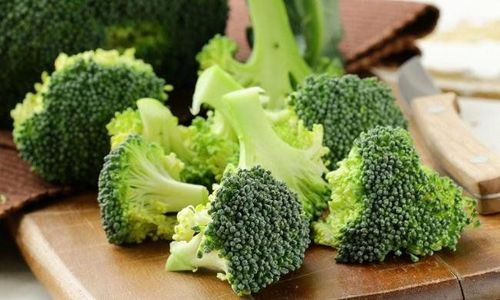
Broccoli is a familiar vegetable found in kitchens around the world, yet its true value goes far beyond everyday meals. Known for its crisp texture and mild flavor, broccoli is also packed with powerful nutrients that support overall health. From reducing cancer risk and protecting the heart to improving digestion and strengthening the immune system, this humble vegetable truly deserves a permanent place on every family’s dining table.
In recent years, broccoli has attracted attention far beyond Earth. As scientists search for sustainable, nutrient-dense foods suitable for long-duration space missions, one familiar vegetable has stood out - broccoli. Surprisingly to many, this everyday green has captured the interest of NASA, earning recognition as a potential “superfood” for space exploration.
At first glance, broccoli may seem like an unlikely candidate for space missions. However, when examined through the lens of nutrition science, it becomes clear why experts value it so highly.
Broccoli is exceptionally rich in essential nutrients, including vitamin C, vitamin K, folate, potassium, and dietary fiber. Even more importantly, it contains unique plant compounds such as sulforaphane and glucosinolates, which have been widely studied for their protective effects against chronic disease.
Because astronauts require foods that are compact, nutrient-dense, and capable of supporting long-term health in extreme environments, broccoli has emerged as a promising option. Its ability to support immunity, digestion, and cellular protection makes it especially valuable when medical resources are limited - such as during extended space travel.
Dietary fiber plays a crucial role in maintaining a healthy digestive system, and broccoli is an excellent source. Nutrition experts emphasize that fiber supports the gut microbiome - the community of beneficial bacteria that influences digestion, metabolism, and immune function.
A fiber-poor diet can disrupt this delicate balance, increasing the risk of metabolic disorders, diabetes, and chronic inflammation. Regular consumption of broccoli helps nourish beneficial gut bacteria, promote smoother digestion, and enhance the body’s natural immune defenses. Its high fiber content also contributes to a feeling of fullness, making it helpful for healthy weight management.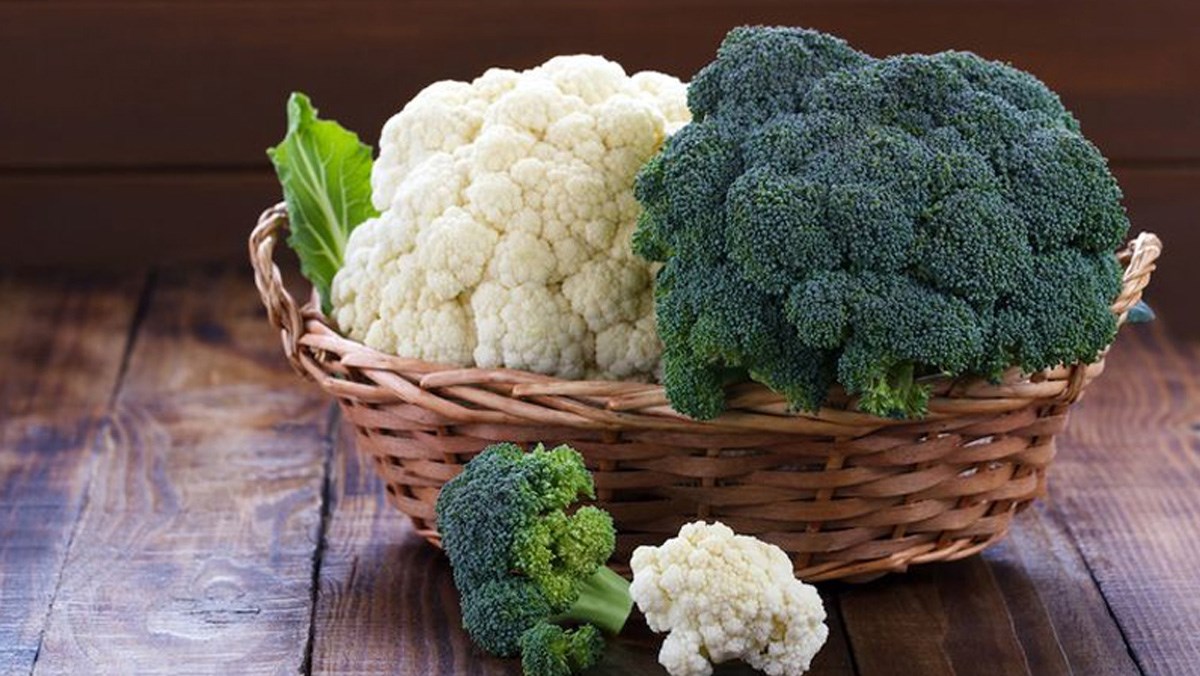
Broccoli is often described as one of the most effective cancer-fighting vegetables. This reputation comes largely from sulforaphane and glucosinolates - bioactive compounds that support the body’s natural defense mechanisms.
Research from institutions such as the University of California suggests that sulforaphane may help inhibit the growth of cancer cells and support their elimination. Studies have linked broccoli consumption to protective effects against several types of cancer, including colorectal, breast, prostate, bladder, skin, and oral cancers.
Some research indicates that regular intake of broccoli may reduce the risk of colorectal cancer by a significant margin, highlighting its role in maintaining both digestive and cellular health.
Beyond cancer prevention, broccoli offers substantial cardiovascular benefits. Its combination of fiber, antioxidants, and anti-inflammatory compounds helps lower harmful cholesterol levels and reduce inflammation in blood vessels.
Diets rich in cruciferous vegetables - including broccoli - have been associated with a lower risk of atherosclerosis, a condition characterized by plaque buildup in the arteries and a leading cause of heart attacks and strokes. The antioxidants in broccoli also help combat oxidative stress, which contributes to chronic inflammation and heart disease.
Broccoli acts as a natural prebiotic, providing nourishment for beneficial gut bacteria. A healthy gut microbiome is essential not only for digestion but also for immune regulation and nutrient absorption.
Regular broccoli consumption may help:
Reduce constipation
Support smoother digestion
Protect the intestinal lining
Maintain long-term gut stability
For individuals who experience digestive discomfort or irregularity, broccoli can be a valuable dietary addition when prepared properly.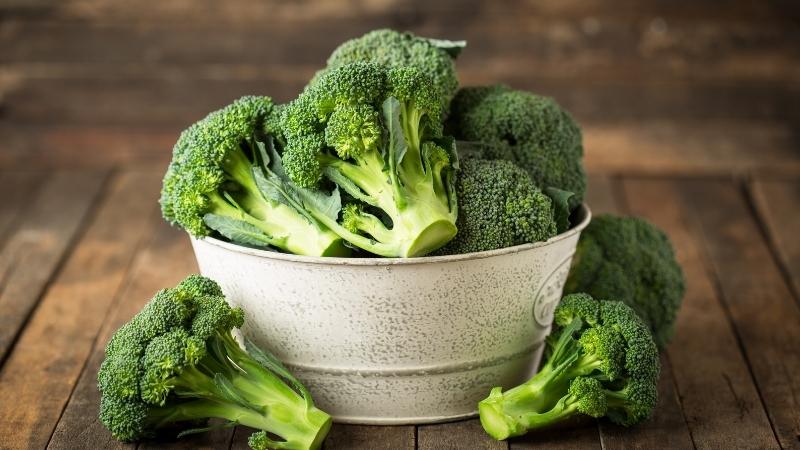
Chronic inflammation is linked to a wide range of conditions, including diabetes, cardiovascular disease, asthma, and certain cancers. Broccoli contains natural compounds that help reduce inflammation both in the gut and throughout the body.
For people dealing with intestinal inflammation or conditions such as irritable bowel syndrome, broccoli - when consumed in appropriate portions - may help soothe symptoms and support digestive comfort. By reducing systemic inflammation, it also contributes to long-term disease prevention.
Despite its many benefits, broccoli should be consumed thoughtfully:
May cause bloating: Broccoli contains FODMAPs, which can lead to gas or bloating in some individuals. Cooking it thoroughly and starting with small portions can help reduce discomfort.
Kidney stone considerations: Broccoli contains oxalates, which may contribute to kidney stones in sensitive individuals. Those with a history of kidney stones should moderate intake and consult a healthcare professional.
Possible allergies: Although rare, some people may experience allergic reactions to cruciferous vegetables. Any unusual symptoms should be taken seriously.
Broccoli is far more than a common green vegetable. It is a nutrient powerhouse with the ability to support digestion, strengthen immunity, reduce inflammation, protect the heart, and lower the risk of serious diseases such as cancer. Its impressive nutritional profile has even earned the attention of space scientists looking for foods capable of sustaining human health beyond Earth.
Whether on Earth or in space, broccoli stands as a powerful reminder that some of the most valuable health-supporting foods are already within reach. By incorporating broccoli into daily meals, families can take a simple yet meaningful step toward better long-term health.