People With Weak Kidneys Often Have Pain in These 5 Places — Don’t Ignore the Warning Signs
The kidneys play a vital role in filtering waste, balancing fluids, regulating blood pressure, and maintaining overall health. When kidney function begins to weaken, the body often sends subtle but important warning signals, many of which appear as pain or discomfort in specific areas.
Doctors emphasize that kidney-related pain is frequently misunderstood or mistaken for muscle strain, fatigue, or aging. Recognizing these signs early can help prevent serious complications and irreversible kidney damage.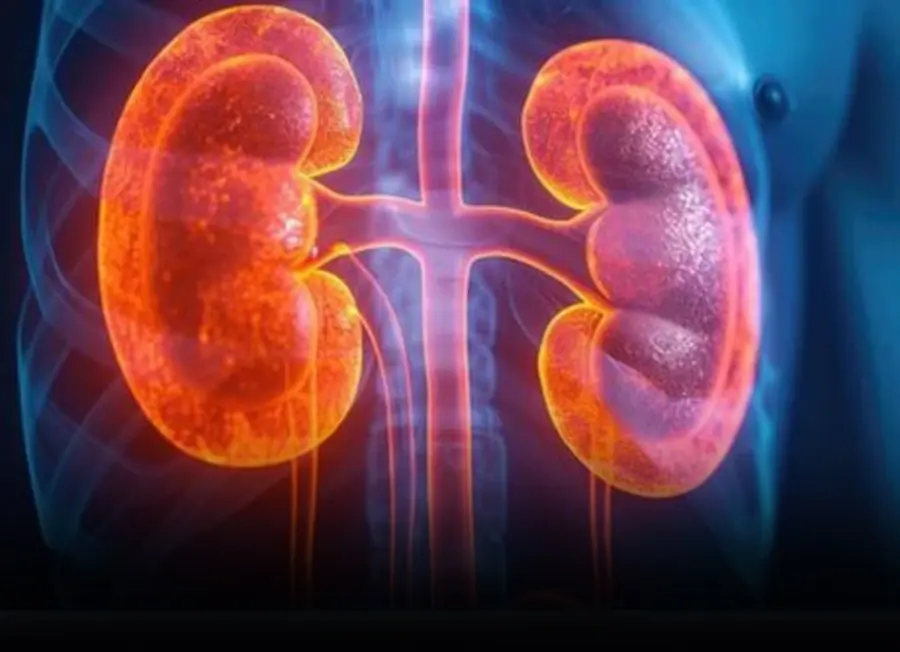
Why Kidney Pain Is Often Missed
Unlike sudden injuries, kidney problems usually develop slowly and quietly. Pain may come and go, feel mild at first, or appear in places people do not associate with the kidneys.
Because of this, many individuals delay seeking medical care until kidney function has already declined significantly. Understanding where kidney-related pain can show up is an important step toward early diagnosis.
1. Lower Back Pain (Below the Rib Cage)
One of the most common locations for kidney-related pain is the lower back, specifically on one or both sides just below the ribs.
This pain:
-
Feels deep rather than muscular
-
Does not improve much with stretching or rest
-
May be dull, aching, or persistent
Unlike typical back pain, kidney discomfort often remains even when changing posture. Pain that keeps returning in this area should never be ignored.
2. Pain in the Sides or Flanks
The flanks—located between the upper abdomen and the back—are another key area. Kidney pain here may feel like pressure or soreness and can affect one side more than the other.
This discomfort is sometimes confused with digestive issues or muscle tension. However, flank pain combined with fatigue or urination changes is a strong signal that the kidneys may be under stress.
3. Lower Abdominal or Pelvic Pain
When kidney problems affect the urinary system, pain may radiate toward the lower abdomen or pelvic region. This is especially common when there is inflammation, infection, or blockage affecting urine flow.
People may experience:
-
A heavy or uncomfortable sensation
-
Pain that worsens when the bladder is full
-
Pressure rather than sharp pain
This type of discomfort is often mistaken for gastrointestinal or reproductive issues.
4. Groin or Inner Thigh Pain
In some cases, kidney-related pain can travel downward toward the groin or inner thighs, particularly when kidney stones or urinary obstructions are involved.
This pain may:
-
Come in waves
-
Feel sharp or intense
-
Be accompanied by nausea or sweating
Although not everyone with weak kidneys experiences this symptom, its presence should prompt immediate medical evaluation.
5. Generalized Body Pain and Persistent Fatigue
Weak kidneys can allow toxins to build up in the bloodstream, leading to widespread discomfort rather than localized pain. People may feel:
-
Achy muscles
-
Joint stiffness
-
Overall body soreness
-
Extreme fatigue
This type of pain is often dismissed as stress or aging, but when it persists without clear explanation, kidney function should be checked.
Symptoms That Often Appear Alongside Kidney Pain
Pain alone is rarely the only warning sign. Kidney weakness is often accompanied by:
-
Changes in urination (frequency, color, foaminess)
-
Swelling in the feet, ankles, or face
-
Loss of appetite or nausea
-
Trouble concentrating
-
High blood pressure
The combination of pain and these symptoms increases the likelihood of kidney involvement.
Who Is at Higher Risk for Kidney Problems?
Certain individuals should be especially cautious, including those who:
-
Have diabetes or high blood pressure
-
Take long-term pain medications
-
Have a family history of kidney disease
-
Experience recurrent urinary tract infections
-
Are over the age of 50
For these groups, even mild or occasional pain deserves attention.
When You Should See a Doctor Immediately
Doctors recommend prompt evaluation if:
-
Pain persists for more than a few days
-
Pain worsens over time
-
Pain is accompanied by fever, swelling, or urination changes
-
There is a history of kidney disease
Early testing through blood and urine analysis can detect kidney issues long before symptoms become severe.
The Bottom Line
Weak kidneys often speak through pain—but not always in obvious ways. Lower back pain, flank discomfort, pelvic pressure, groin pain, and unexplained body aches can all be warning signs of declining kidney function.
Listening to these signals and seeking medical advice early can protect kidney health, prevent complications, and preserve quality of life. When it comes to kidney disease, early action truly makes a difference.