If You See Someone With Bulging Veins, You Should Tell Them These Things
Bulging or highly visible veins often catch people’s attention. Some assume it means excellent fitness, while others worry it signals a serious health problem. The truth is more balanced: prominent veins are common and often harmless, but in certain situations they can indicate underlying issues that deserve attention.
Knowing what bulging veins really mean can help people respond with knowledge instead of panic.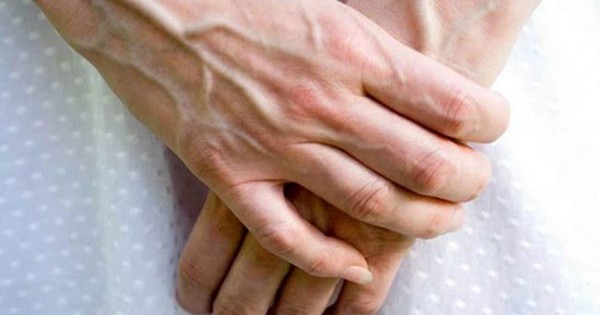
First, Reassure Them: It’s Often Normal
Visible or bulging veins are not automatically a sign of disease. In many people, they are simply part of normal anatomy. Factors that commonly make veins stand out include:
-
Thin or fair skin
-
Low body fat
-
Aging, which thins the skin over time
-
Physical fitness, especially strength training
-
Warm temperatures, which cause veins to expand
For athletes and active individuals, prominent veins often reflect efficient blood circulation, not illness.
Hydration Matters More Than Most People Think
One of the first things to mention is hydration. When the body is dehydrated, blood volume decreases slightly, making veins appear more pronounced.
Encouraging regular water intake can:
-
Improve circulation
-
Reduce vein visibility
-
Support overall cardiovascular health
In many cases, veins become less noticeable after proper hydration is restored.
Explain the Role of Heat and Activity
Veins naturally expand during exercise or heat exposure. This is the body’s way of improving blood flow and releasing heat.
If bulging veins appear:
-
After workouts
-
During hot weather
-
Following a hot shower
they are usually a temporary and healthy response. Once the body cools down or rests, vein prominence often decreases.
When Bulging Veins Deserve Attention
While most visible veins are harmless, there are situations where medical advice is important. You should suggest seeing a doctor if bulging veins are accompanied by:
-
Pain or tenderness
-
Swelling in the arms or legs
-
Skin redness or warmth
-
Sudden changes in vein size
-
Hardness along the vein path
These symptoms may point to circulation problems, inflammation, or vein disorders that should not be ignored.
Lifestyle Habits Can Make Veins Worse
Certain habits can increase pressure on veins over time. It helps to gently point out factors that may contribute, such as:
-
Prolonged sitting or standing without movement
-
Smoking, which damages blood vessels
-
Excessive salt intake, leading to fluid retention
-
Lack of regular physical activity
Small lifestyle changes—like walking breaks, leg elevation, or quitting smoking—can significantly improve vein health.
Age-Related Changes Are Common
As people get older, skin naturally becomes thinner and loses elasticity. This makes veins more visible, especially on the hands and forearms.
In these cases, bulging veins are not a sign of poor health, but rather a normal part of aging. Reassurance is often the most helpful response.
Avoid Fear-Based Assumptions
One of the most important things to tell someone is not to panic. Social media often exaggerates health risks, causing unnecessary anxiety.
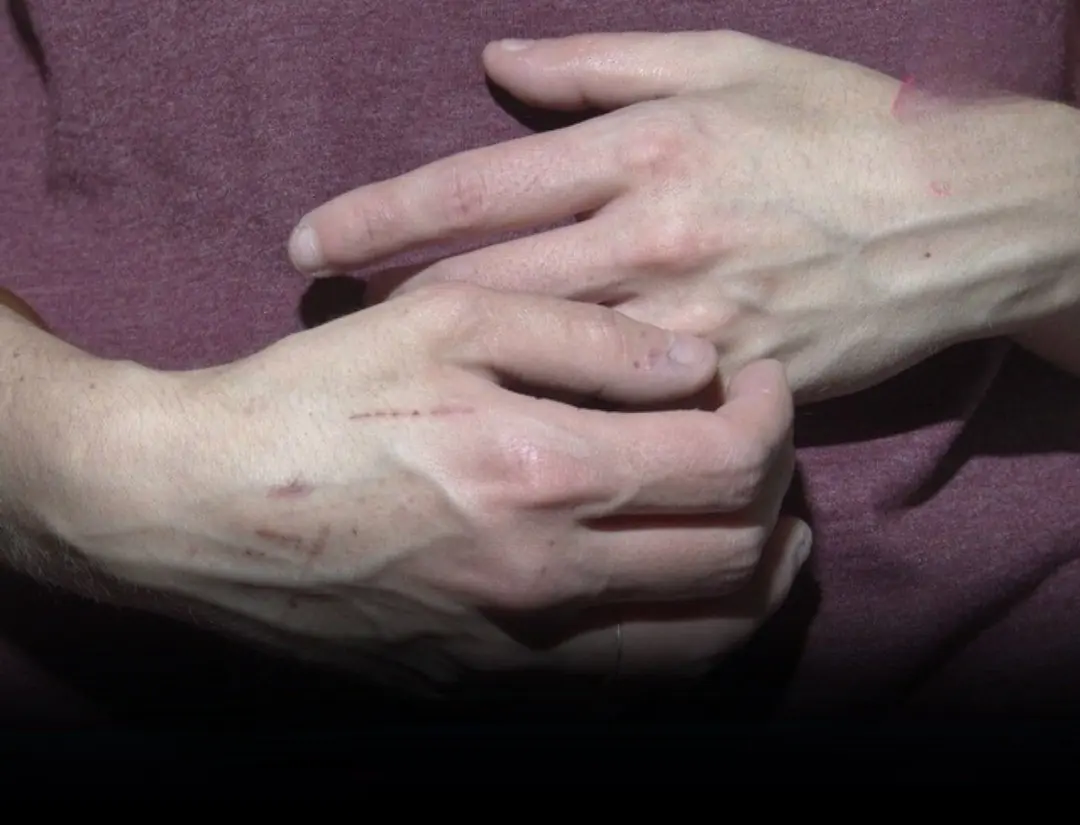
Bulging veins alone do not diagnose heart disease, blood clots, or serious illness. Diagnosis depends on symptoms, medical history, and proper evaluation, not appearance alone.
 Simple Advice That Truly Helps
If someone is concerned about bulging veins, practical guidance is more helpful than alarming warnings:
-
Stay hydrated
-
Move regularly and avoid long periods of inactivity
-
Elevate legs when resting if swelling occurs
-
Wear comfortable clothing that doesn’t restrict circulation
-
Seek medical advice if pain, swelling, or sudden changes appear
This balanced approach empowers people without causing fear.