Swollen Lymph Nodes in the Neck — Here’s When You Need to Worry
Feeling a small lump on the side of your neck can be alarming. Many people immediately fear something serious, but doctors emphasize that swollen lymph nodes are common and often harmless. In most cases, they are simply a sign that your immune system is doing its job.
However, there are certain situations where swollen lymph nodes in the neck should not be ignored. Knowing the difference can help you respond calmly—and appropriately.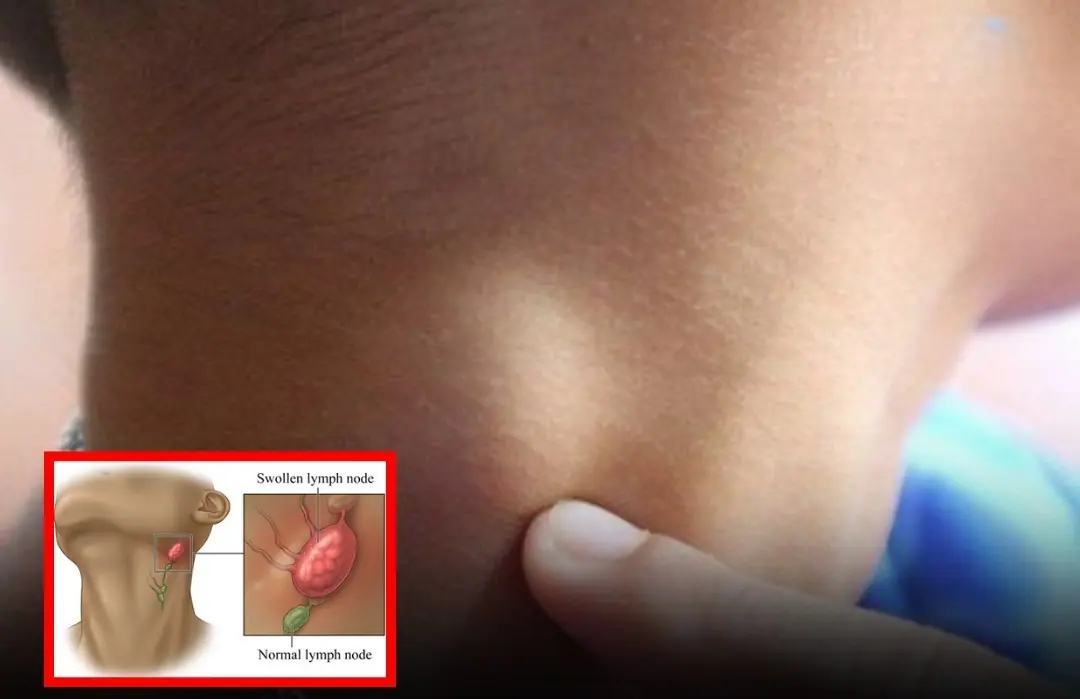
What Are Lymph Nodes and Why Do They Swell?
Lymph nodes are small, bean-shaped structures that act as filters for bacteria, viruses, and abnormal cells. They are part of the immune system and are located throughout the body, with clusters in the neck, armpits, and groin.
Nodes in the neck commonly swell when your body is fighting:
-
A cold or flu
-
A sore throat or tonsillitis
-
Ear or sinus infections
-
Dental problems
In these cases, swelling is usually temporary and harmless.
What Normal Swollen Lymph Nodes Feel Like
Benign lymph node swelling typically has these features:
-
Soft or slightly firm
-
Tender or painful to touch
-
Moves slightly under the skin
-
Gradually shrinks over 1–3 weeks
If you recently had an infection and the swelling is improving, this is usually a good sign.
When Swollen Neck Lymph Nodes Become Concerning
Doctors advise paying closer attention if lymph nodes show warning characteristics. You should not ignore swelling if:
-
The node is hard or rubbery
-
It feels fixed in place and does not move
-
It continues to grow over time
-
It lasts longer than 3–4 weeks
-
There is no recent infection
These features may indicate a more serious underlying condition.
Red Flags That Require Medical Evaluation
Swollen lymph nodes in the neck are more concerning when they are accompanied by other symptoms, such as:
-
Unexplained weight loss
-
Persistent fever or night sweats
-
Fatigue that does not improve
-
Difficulty swallowing or breathing
-
Persistent hoarseness
These signs suggest the body may be dealing with more than a simple infection.
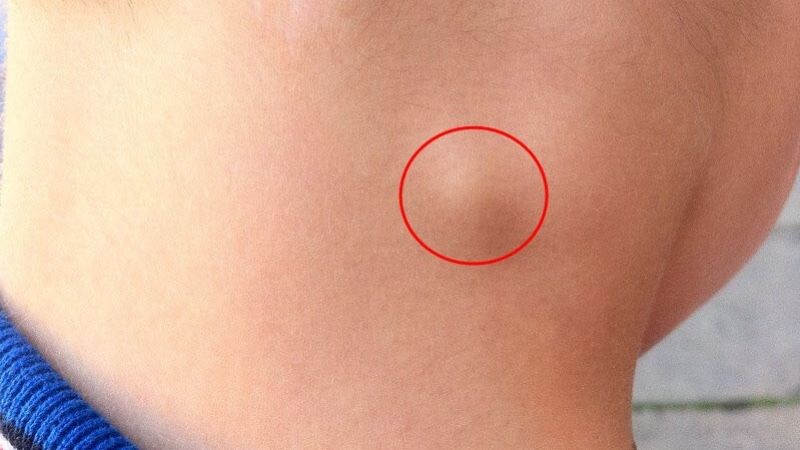
Possible Serious Causes
While less common, persistent or abnormal lymph node swelling can be associated with:
-
Chronic infections (such as tuberculosis)
-
Autoimmune diseases
-
Certain cancers, including lymphoma or head-and-neck cancers
It’s important to remember that most swollen lymph nodes are not cancer, but cancer-related swelling often has distinct warning signs and should be evaluated early.