Iron is a mineral that plays a crucial role in blood formation. Therefore, iron deficiency can lead to anemia and negatively affect many different organs in the body.
When the body lacks iron, red blood cells in the blood, as well as tissues and muscles, cannot function effectively because they do not receive enough oxygen. The following groups are more likely to experience iron deficiency:
-
Pregnant women, children, and the elderly
-
People who have suffered severe blood loss or internal bleeding
-
People with inflammatory bowel disease
-
People who diet excessively or have an unbalanced, inadequate diet
Signs of Iron Deficiency You Should Not Ignore
Iron deficiency may manifest differently depending on age and overall health. However, in general, it can be recognized through the following signs:
Abnormalities in Nails and Hair
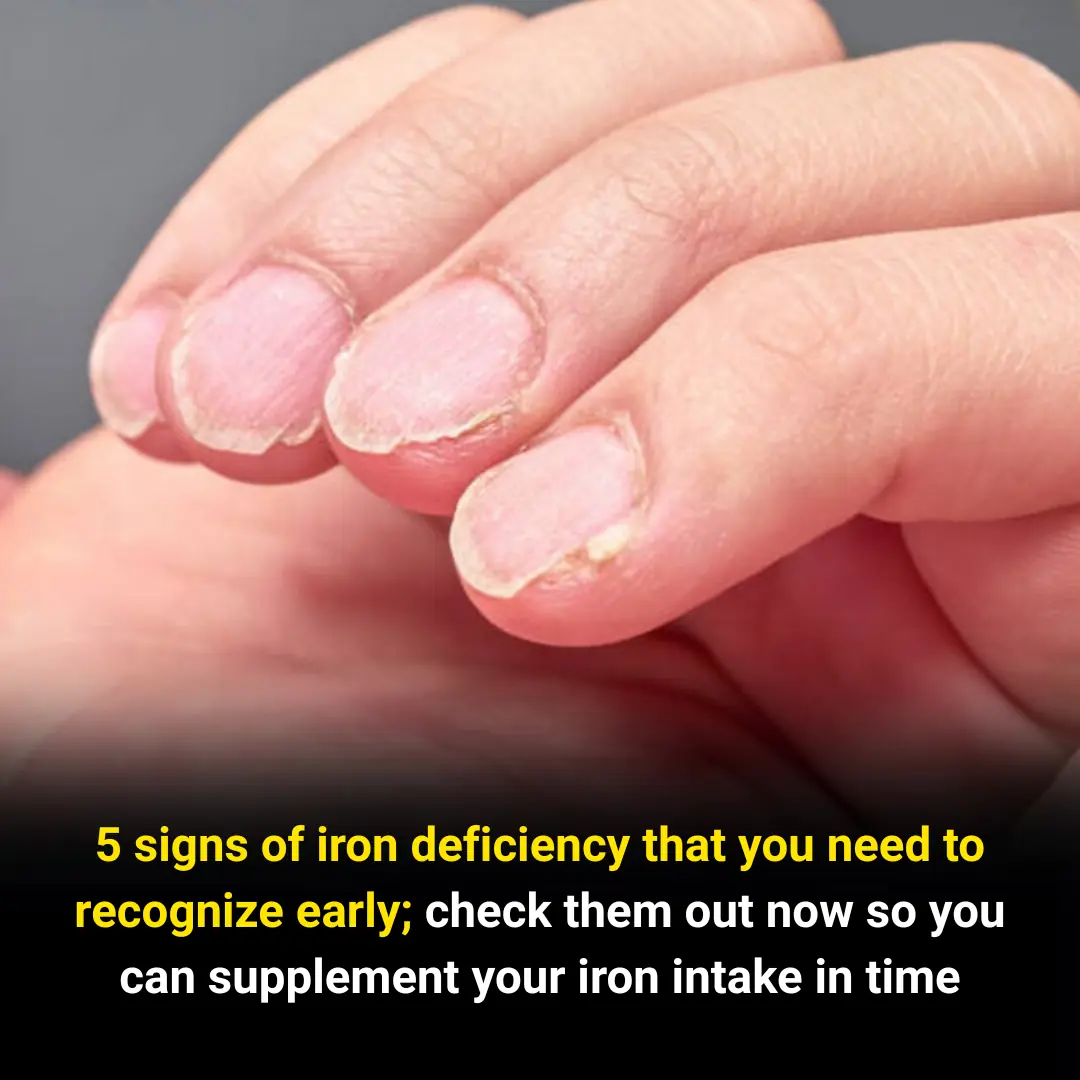
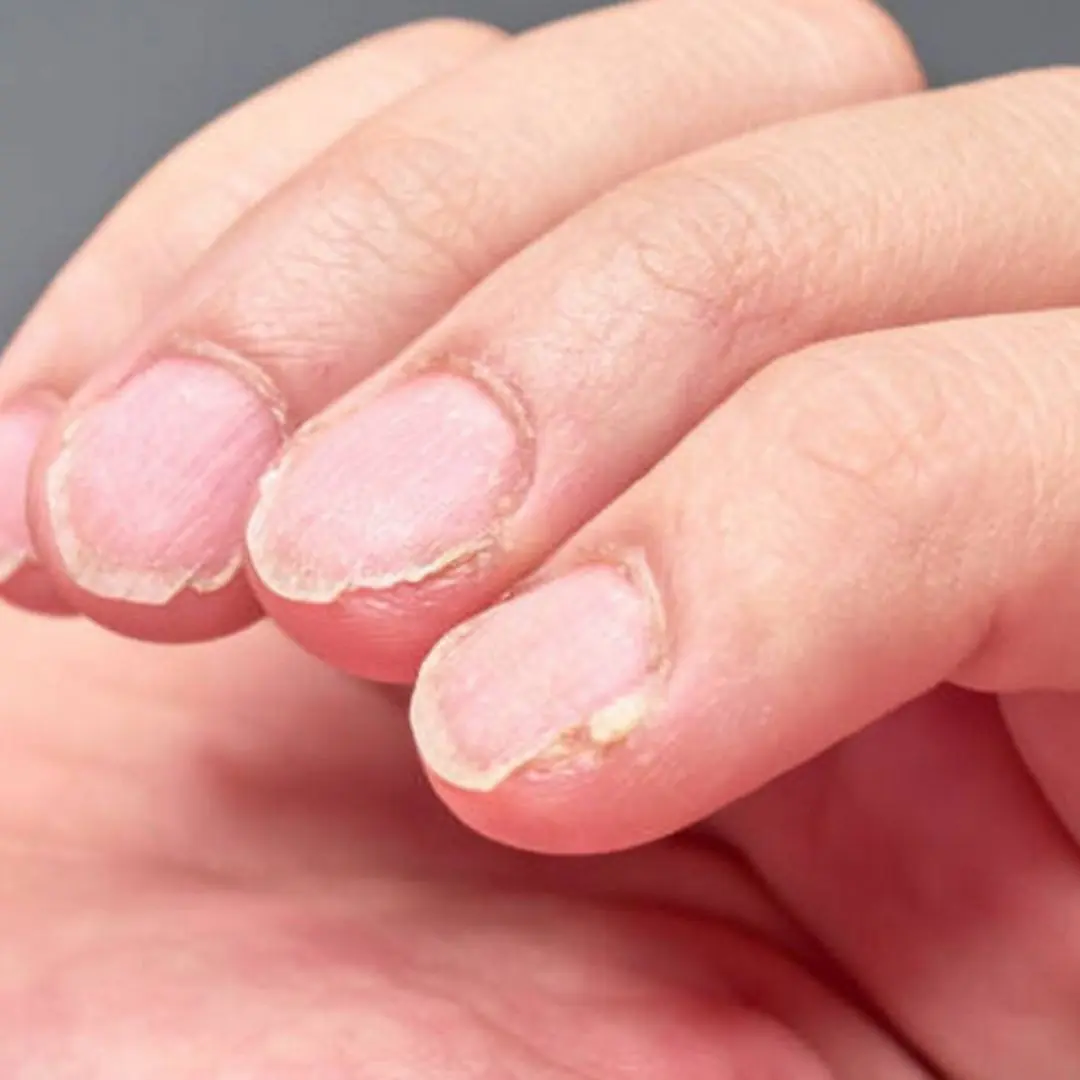
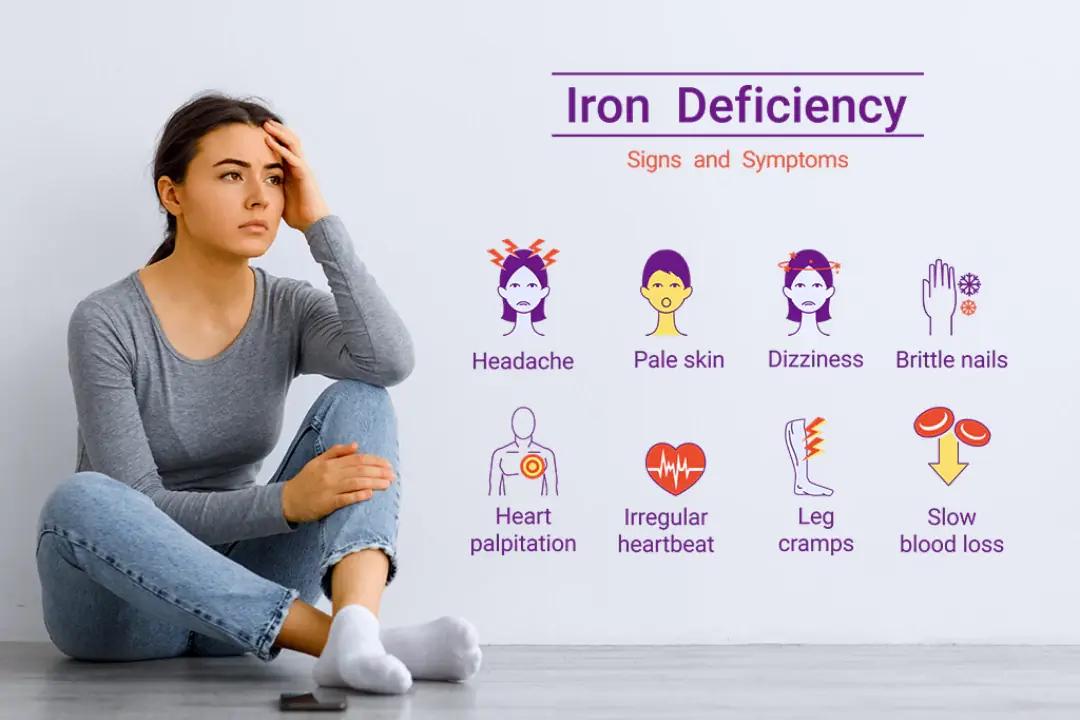
When the body lacks iron, fingernails and toenails may become brittle, break easily, or split into layers. Hair can also signal iron deficiency by becoming dry, falling out excessively, breaking easily, and appearing dull and lifeless.
Nail abnormalities are a warning sign of iron deficiency.
 Changes in Skin Color
If your skin becomes pale, bluish, or unusually light, it may indicate iron deficiency. This happens because iron deficiency prevents the body from producing enough hemoglobin. Since hemoglobin is red, the skin cannot maintain its normal healthy, rosy appearance.
Areas where paleness is most noticeable include the face, lips, gums, and fingernails.
Changes in Heart Rate and Breathing
As mentioned above, iron deficiency prevents organs from receiving sufficient oxygen. As a result, even simple activities such as walking or climbing stairs may cause shortness of breath.
This occurs because muscles do not receive enough oxygen and must compensate by increasing breathing rate to take in more oxygen. At the same time, the heart has to work harder, beating faster to deliver oxygen to organs and tissues. If this condition persists, it may lead to heart failure, lung failure, or an enlarged heart.
Headaches and Fatigue

Headaches, dizziness, lightheadedness, and fatigue are common and typical signs of iron deficiency. The main cause is insufficient oxygen supply to the brain, which increases pressure on blood vessels and results in headaches. Similarly, other organs also become fatigued due to lack of oxygen.
Abnormalities in the Mouth
If you notice that your tongue appears pale, inflamed, or swollen, this may be a sign of iron deficiency. Externally, the mouth may feel dry, and the lips may become dry and cracked, especially at the corners.
Iron deficiency can cause dry, cracked lips.
Iron deficiency can also cause a state of restlessness and discomfort, commonly known as restless legs syndrome. This condition is more noticeable at night when the body is at rest. The legs may feel itchy or uncomfortable, making it difficult to fall asleep.
Up to 25% of people with iron deficiency may experience this condition, and symptoms tend to worsen as the level of deficiency increases.
Other Possible Signs
In addition to the common signs above, iron deficiency may also cause:
-
Cold hands and feet: due to reduced oxygen supply to the limbs
-
Increased susceptibility to infections: iron plays an important role in immune system function. When iron levels are low, immunity weakens, making the body more prone to illness
How to Supplement Iron
To accurately determine whether your body is iron deficient, you should consult a healthcare professional for proper evaluation and appropriate treatment recommendations.
In mild cases, adjusting your daily diet and taking iron supplements may be sufficient. Iron-rich foods you should prioritize include red meats such as beef, pork, lamb, and liver; shellfish such as crabs, mussels, snails, clams, and oysters; and dark green vegetables such as pumpkin and spinach.
Pregnant women who are at risk of iron deficiency should take iron and folic acid supplements to ensure adequate iron for the mother and support healthy fetal development.
In severe cases where iron deficiency leads to anemia, a doctor may prescribe blood transfusions to quickly correct the condition and prevent serious complications.
The best time to take iron supplements is before breakfast. Iron is absorbed most effectively when taken with vitamin C–rich beverages, such as orange juice. In contrast, taking iron together with calcium, tea, or coffee may reduce absorption and effectiveness.
In summary, iron is essential for the body’s daily functions. Therefore, when signs of iron deficiency appear, it is important to seek medical evaluation promptly so that appropriate iron supplementation can be prescribed in time.