Moringa seeds come from Moringa oleifera, a tree often called the “miracle tree” in traditional cultures. While doctors commonly discuss nutrition, exercise, and proven medications, moringa seeds sit outside mainstream medical practice, which is why many of their traditional uses are rarely mentioned in clinical settings.
That does not mean they are magic or a cure-all. It means they come from traditional knowledge and early-stage research, not large-scale clinical trials. When approached responsibly, moringa seeds can be an interesting supportive addition to a healthy lifestyle.
Below are 12 commonly discussed benefits associated with moringa seeds, based on traditional use and emerging scientific interest—not medical claims.
1. Naturally Rich in Antioxidants
Moringa seeds contain antioxidants such as flavonoids and phenolic compounds. Antioxidants help neutralize free radicals, which are linked to cellular stress and aging.
Why this matters: Reducing oxidative stress supports overall cellular health and may help the body cope better with environmental and metabolic strain.
2. Traditionally Used to Support Blood Sugar Balance
In traditional medicine, moringa seeds have been used to support healthy blood sugar levels. Some preliminary studies suggest moringa compounds may influence insulin sensitivity.
Important note: This does not replace diabetes treatment. Anyone with blood sugar concerns should consult a healthcare professional.
3. May Support Heart Health
Moringa seeds contain healthy fats and plant compounds that are being studied for their potential role in supporting:
-
Healthy cholesterol balance
-
Blood vessel function
-
Circulatory health
Traditional diets using moringa often associate it with long-term cardiovascular wellness.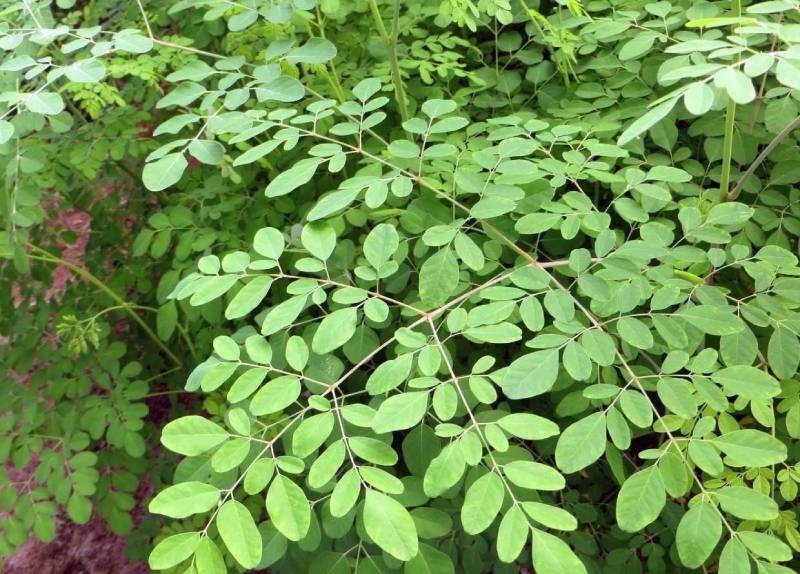
4. Natural Anti-Inflammatory Properties
Chronic inflammation is linked to many modern health problems. Moringa seeds contain bioactive compounds that have shown anti-inflammatory effects in laboratory studies.
Traditional use: They were often used for joint discomfort and general body balance.
5. Supports Digestive Health
In small amounts, moringa seeds have been used to support digestion by:
-
Encouraging gut movement
-
Supporting healthy gut bacteria
-
Reducing occasional bloating
Because they are potent, moderation is essential.
6. Natural Antibacterial Compounds
Moringa seeds contain compounds that have demonstrated antibacterial activity in lab settings. Traditionally, they were used to help protect against certain microbial imbalances.
This is one reason moringa seeds have historically been used in water purification in some regions.
7. Supports Liver Function
The liver plays a key role in detoxification. Traditional practices often used moringa seeds to support liver balance, and early research suggests they may help reduce oxidative stress in liver tissue.
Again, this is supportive, not curative.
8. May Promote Healthy Skin from Within
Because of their antioxidant and anti-inflammatory properties, moringa seeds are believed to support:
-
Clearer skin
-
Reduced oxidative damage
-
Overall skin resilience
Moringa seed oil is already widely used in skincare for this reason.
9. Supports Immune System Balance
Moringa seeds contain nutrients such as zinc, healthy fats, and antioxidants that support normal immune function—not by overstimulation, but by balance.
Traditional medicine emphasized resilience, not immune “boosting.”
10. May Support Brain and Nervous System Health
Healthy fats and antioxidant compounds in moringa seeds are being studied for their potential role in:
-
Supporting cognitive function
-
Protecting nerve cells from oxidative stress
This aligns with traditional use for mental clarity and stamina.
11. Natural Energy Support (Without Stimulants)
Unlike caffeine-based energy boosters, moringa seeds were traditionally used to:
-
Support sustained energy
-
Reduce fatigue
-
Improve overall vitality
This effect is linked to nutrient density rather than stimulation.
12. Traditionally Used for Water Purification
One of the most fascinating uses of moringa seeds is their ability to bind impurities in water. Crushed seeds have been used to clarify water by attracting contaminants.
While not a replacement for modern filtration, this property highlights the powerful binding compounds found in the seeds.
How Moringa Seeds Are Typically Used
-
Consumed in very small amounts (often 1 seed per day)
-
Used as powder or oil
-
Never consumed in excess
Overuse can cause digestive upset, which is why doctors caution against unsupervised use.
Important Safety Notes
-
Not recommended during pregnancy without medical guidance
-
People with chronic conditions should consult a healthcare provider
-
Moringa seeds are potent - more is not better
Doctors tend not to recommend moringa seeds because:
-
Clinical trials are limited
-
Dosage standards vary
-
Interactions with medications are still being studied
This caution is reasonable and responsible.
Final Thoughts
Moringa seeds are not a miracle cure - and they don’t need to be. Their value lies in traditional wisdom supported by emerging research, not in replacing modern medicine.
When used carefully and responsibly, moringa seeds may offer supportive benefits for overall wellness, digestion, and balance. The key is respect - for the plant, for your body, and for professional medical guidance.
Sometimes the most powerful health tools aren’t hidden - they’re simply waiting to be understood properly.