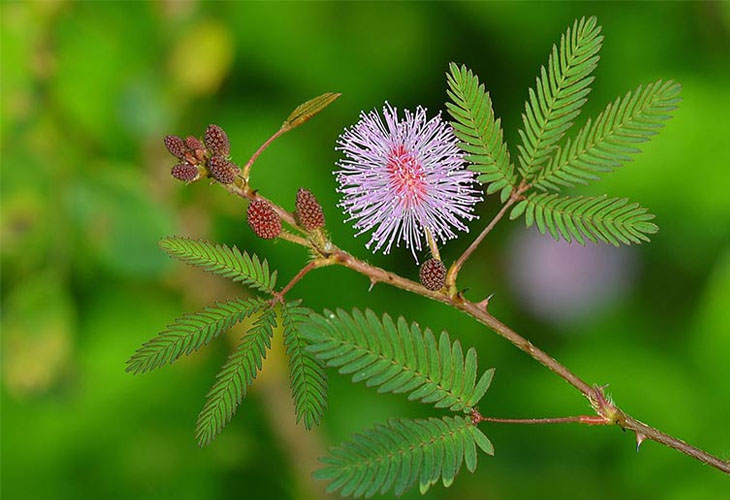
At first glance, the “touch-me-not” plant seems like a simple curiosity of nature. Brush your fingers against its delicate leaves, and they instantly fold inward, as if shy or startled. This small, almost playful reaction has fascinated people for centuries. Yet behind this gentle movement lies a plant with a long history of medicinal use and surprising healing potential.
Known scientifically as Mimosa pudica, the touch-me-not plant has been used in traditional medicine across Asia, Africa, and South America. Far from being just a botanical novelty, it has earned a reputation as a quiet but powerful natural healer.
What Is the Touch-Me-Not Plant?
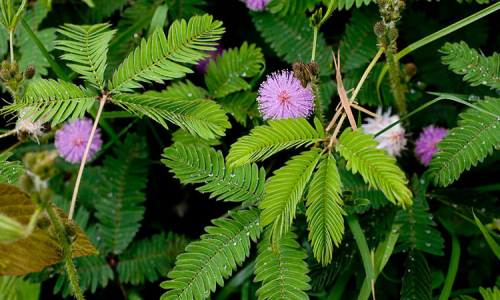
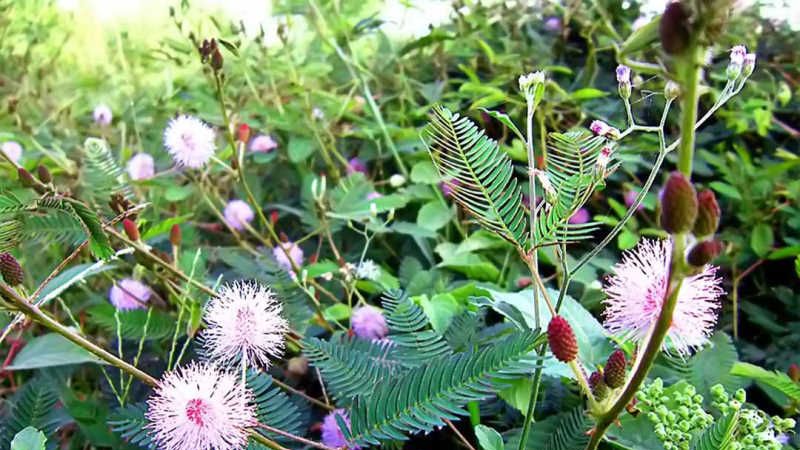
The touch-me-not plant is a low-growing, creeping herb commonly found in tropical and subtropical regions. It thrives along roadsides, in gardens, and in open fields, often overlooked as a weed. Its feathery green leaves close rapidly when touched, shaken, or exposed to heat, then slowly reopen once the stimulus is gone.
This unique movement, called thigmonasty, is believed to be a protective response—helping the plant deter predators and reduce water loss. But the plant’s true value lies not in its movement, but in its chemical composition.
A Long History in Traditional Medicine
For generations, Mimosa pudica has been used in traditional healing systems such as Ayurveda, traditional Chinese medicine, and folk remedies in Africa and Latin America. Almost every part of the plant - leaves, roots, seeds, and stems - has been used for medicinal purposes.
Historically, healers turned to the touch-me-not plant for its:
-
Anti-inflammatory properties
-
Antibacterial and antimicrobial effects
-
Wound-healing abilities
-
Calming and soothing qualities
Modern research is now beginning to explore and validate many of these traditional uses.
Key Health Benefits of the Touch-Me-Not Plant
1. Promotes Wound Healing
One of the most well-known uses of the touch-me-not plant is in treating cuts, burns, and minor wounds. Crushed leaves applied topically have traditionally been used to:
-
Reduce bleeding
-
Speed up wound closure
-
Prevent infection
Studies suggest the plant contains compounds that support tissue repair and reduce inflammation.
2. Supports Digestive Health
In traditional medicine, preparations made from the roots or leaves have been used to address digestive issues such as:
-
Diarrhea
-
Dysentery
-
Stomach discomfort
The plant’s astringent and antimicrobial properties may help calm the digestive tract and restore balance.
3. Natural Anti-Inflammatory Effects
Inflammation is at the root of many chronic conditions. The touch-me-not plant contains flavonoids and alkaloids that are believed to reduce inflammation in the body. This has made it a traditional remedy for:
-
Joint pain
-
Swelling
-
Muscle discomfort
4. Antibacterial and Antimicrobial Action
Extracts from Mimosa pudica have shown activity against certain bacteria and microbes. This explains its historical use in treating skin infections, minor sores, and inflammatory conditions caused by bacteria.
5. Calming the Nervous System
In some traditional practices, the plant has been used as a mild sedative or calming agent. It has been associated with:
-
Reducing anxiety
-
Supporting relaxation
-
Improving sleep quality
While modern research is still limited, its calming reputation persists in herbal traditions.
6. Supports Urinary and Reproductive Health
The touch-me-not plant has also been used in traditional remedies for urinary tract discomfort and certain reproductive health concerns. Its soothing and antimicrobial properties were believed to help maintain balance in these systems.
A Symbol of Sensitivity and Resilience
Beyond its physical healing properties, the touch-me-not plant has symbolic meaning in many cultures. Its sensitive reaction to touch has made it a symbol of:
-
Emotional sensitivity
-
Self-protection
-
Inner strength
Despite its delicate appearance, the plant survives in harsh environments, spreading quietly and persistently. In this way, it reflects resilience—responding to the world carefully, yet continuing to grow.
Modern Scientific Interest
Scientists today are studying Mimosa pudica for its:
-
Antioxidant compounds
-
Potential anti-inflammatory medications
-
Antimicrobial agents
-
Applications in natural wound care
While it is not a replacement for modern medical treatment, the plant is gaining recognition as a valuable source of bioactive compounds that may inspire future therapies.
Important Safety Notes
Although the touch-me-not plant has many traditional uses, it should be approached responsibly:
-
Internal use should only be done under professional guidance
-
Dosage matters, as excessive use may cause adverse effects
-
Pregnant or breastfeeding individuals should avoid unsupervised use
Natural does not always mean harmless, and proper knowledge is essential.
Conclusion: A Quiet Healer in Plain Sight
The miraculous “touch-me-not” plant reminds us that nature often hides its greatest gifts in the most unassuming forms. What many people see as a roadside weed or a playful plant is, in reality, a botanical healer with centuries of history behind it.
As modern science continues to explore ancient remedies, Mimosa pudica stands as a powerful example of how sensitivity and strength can coexist. Sometimes, the most profound healing comes not from force, but from gentle, natural balance - quietly waiting to be noticed.