
Leg cramps during the night are a common yet distressing problem that affects many people worldwide. These sudden, involuntary muscle contractions can cause sharp pain and discomfort, often waking individuals from a restful sleep. If you experience leg cramps at night frequently, it is crucial to understand the causes, potential health implications, and effective remedies to alleviate and prevent them.
One of the most common causes of nighttime leg cramps is dehydration. When the body lacks sufficient fluids, muscles can become more prone to spasms and cramps. This is especially true for those who engage in intense physical activities or live in hot climates where fluid loss through sweating is higher. Drinking plenty of water throughout the day can help maintain proper hydration and reduce the risk of cramps.
Another major cause is an imbalance of electrolytes in the body. Electrolytes such as potassium, calcium, magnesium, and sodium play a vital role in muscle function. When these minerals are deficient or out of balance, muscles may contract abnormally, resulting in cramps. People who follow restrictive diets, take certain medications, or have medical conditions like kidney disease might be more susceptible to such imbalances. Consuming a balanced diet rich in fruits, vegetables, dairy products, and nuts can help maintain optimal electrolyte levels.
Poor circulation is also a factor contributing to leg cramps at night. Reduced blood flow to the legs can cause muscle tissues to become starved of oxygen and nutrients, leading to cramping. Conditions such as peripheral artery disease or sitting for prolonged periods can impair circulation. Regular exercise, leg elevation, and avoiding prolonged sitting can improve blood flow and decrease cramping episodes.
In some cases, leg cramps may be a symptom of an underlying health issue such as nerve compression, diabetes, or thyroid disorders. If the cramps are severe, persistent, or accompanied by other symptoms like swelling, numbness, or weakness, consulting a healthcare professional is essential. Proper diagnosis and treatment can address the root cause and prevent complications.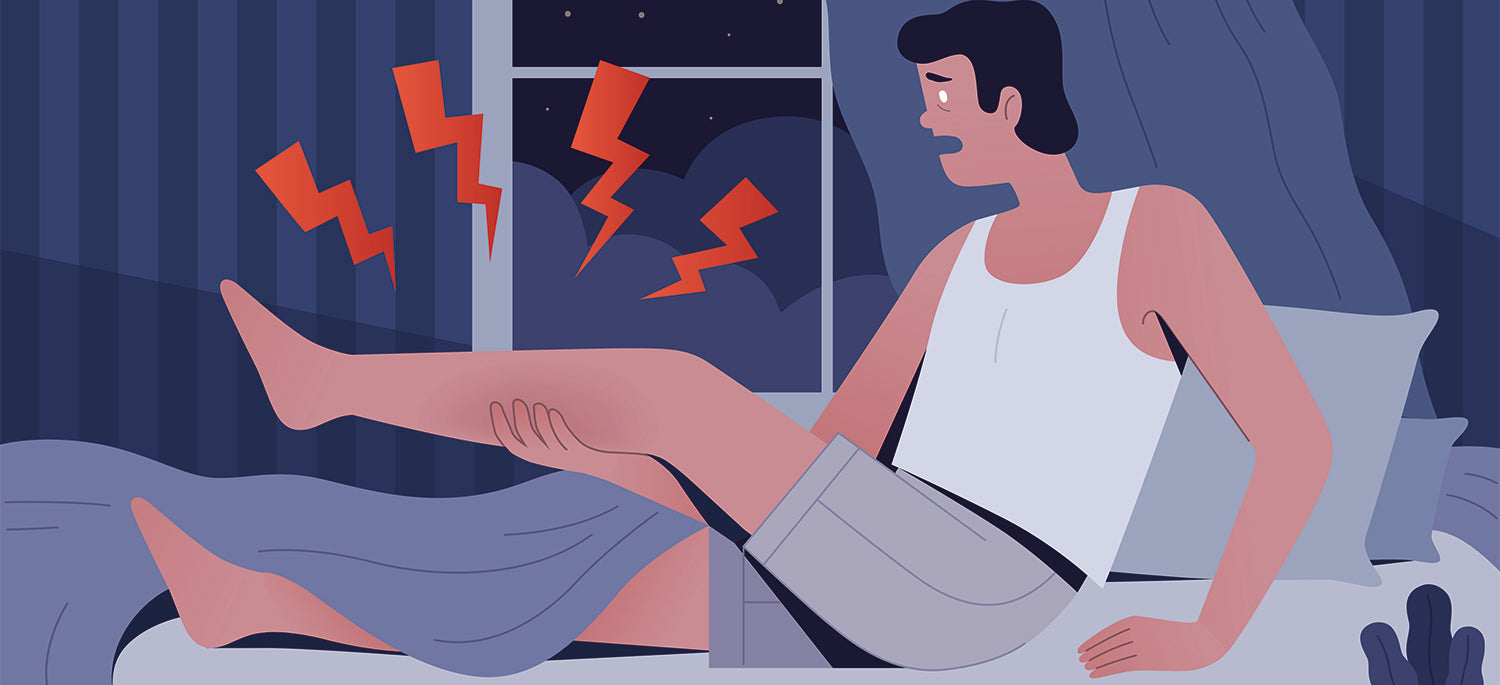
Preventive measures and treatments for nighttime leg cramps include gentle stretching before bed, massaging the affected muscles, and applying heat or cold packs. Stretching helps relax tight muscles and improves flexibility, reducing the likelihood of cramps. Massage increases blood circulation and soothes muscle tension. Applying a warm towel or heating pad can relax muscles, while ice packs may reduce inflammation if the area is sore.
In addition, maintaining a healthy lifestyle with regular physical activity, balanced nutrition, and adequate hydration is fundamental. Avoiding excessive alcohol and caffeine, which can contribute to dehydration and electrolyte imbalances, is also beneficial.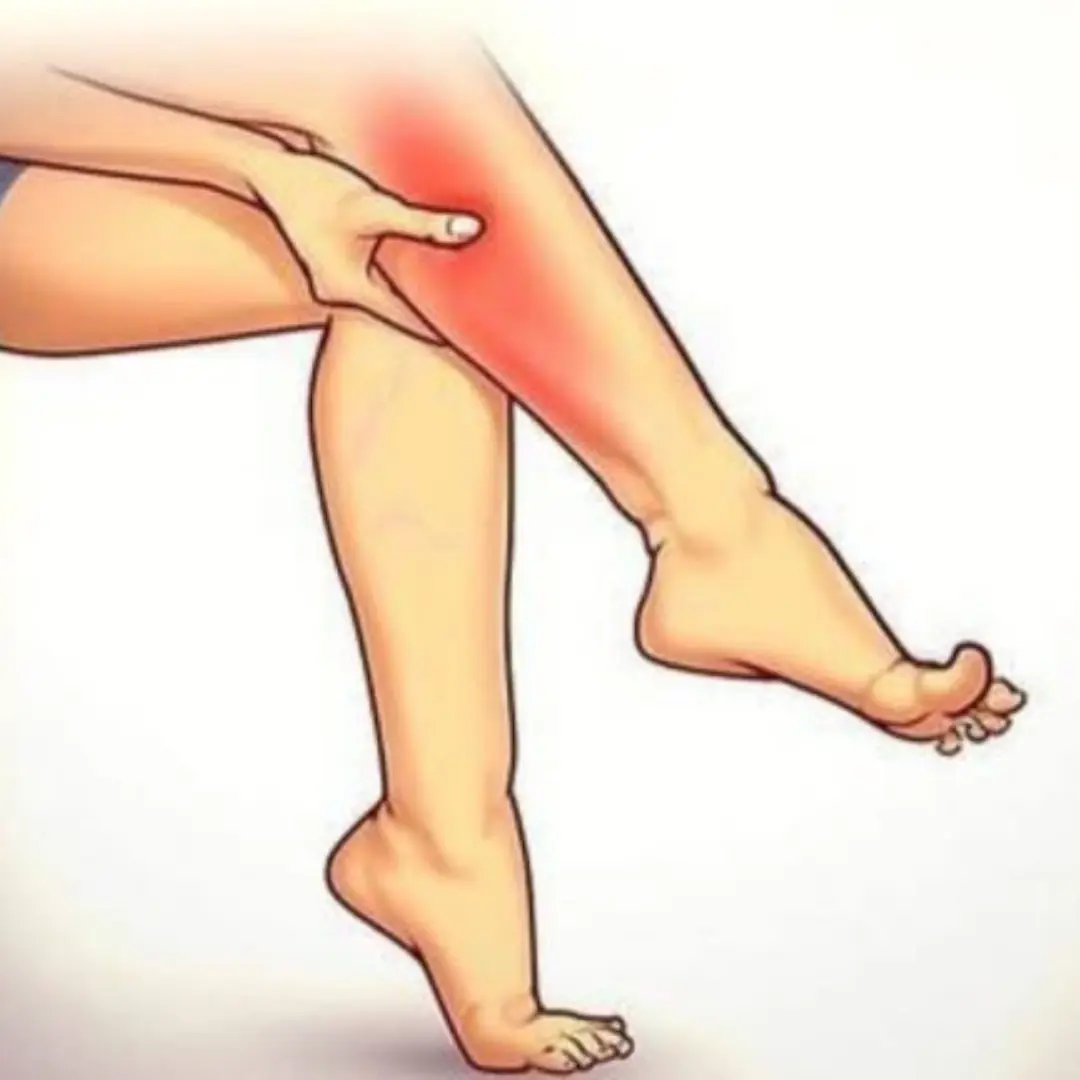
In conclusion, leg cramps at night are often caused by dehydration, electrolyte imbalances, poor circulation, or underlying medical conditions. Understanding these causes and implementing practical solutions such as hydration, diet, exercise, and stretching can significantly reduce the frequency and intensity of cramps. If cramps persist or worsen, seeking medical advice is vital to ensure proper treatment and maintain overall health. By taking proactive steps, you can improve your sleep quality and wake up feeling refreshed and pain-free.