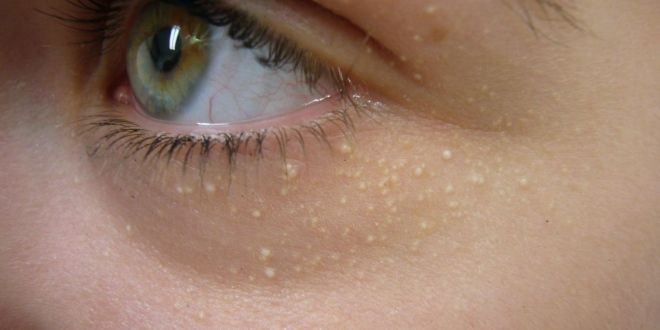
Noticing tiny white bumps on your face can be frustrating - especially when they seem stubborn, painless, and refuse to go away. Many people’s first instinct is to squeeze, scrape, or “pop” them at home. That’s a mistake. These bumps are often harmless, but improper removal can lead to infection, scarring, or long-term skin damage.
Let’s break down what these bumps usually are, why you shouldn’t remove them yourself, and what safe options actually work.
What Are These Tiny White Bumps?
The most common cause is milia - small, firm, white or yellowish cysts that form just under the skin’s surface. They’re typically:
-
About 1–2 mm in size
-
Smooth and dome-shaped
-
Not red, inflamed, or painful
Milia occur when keratin (a protein in skin) becomes trapped beneath the surface instead of shedding naturally.
They often appear on:
-
Cheeks
-
Under the eyes
-
Nose
-
Forehead
Importantly, milia are not acne, even though they may look similar at first glance.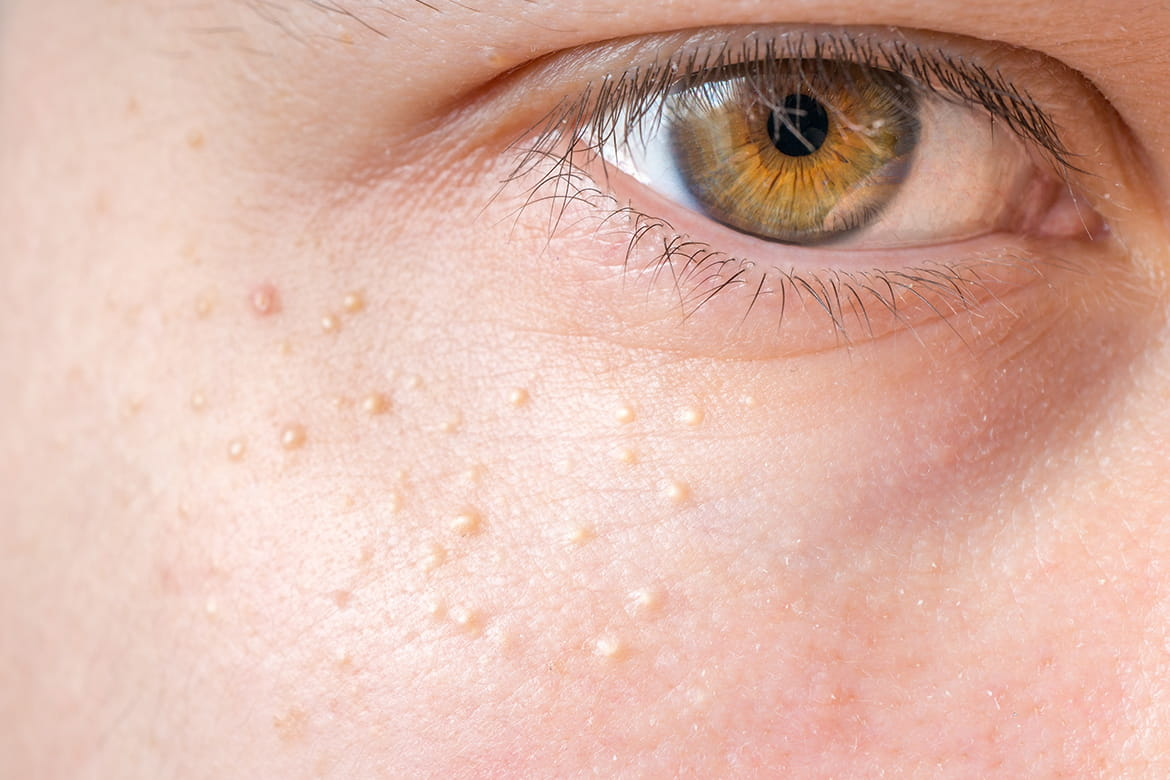
Why You Should Never Try to Remove Them Yourself
1. You Can Easily Damage Your Skin
Milia sit deeper than whiteheads. Squeezing them won’t release anything—and instead can:
-
Tear the skin
-
Cause bleeding
-
Leave permanent scars
The skin around the eyes is especially thin and vulnerable.
2. High Risk of Infection
Breaking the skin barrier with unsterilized tools or fingers introduces bacteria. This can result in:
-
Swelling and redness
-
Pus-filled infections
-
Delayed healing
What started as a harmless bump can quickly become a serious skin problem.
3. They Will Likely Come Back Worse
Even if a bump appears to flatten temporarily, improper removal often leaves keratin behind. The result:
-
The milia reforms
-
Multiple new bumps appear nearby
-
Skin texture becomes uneven
4. You May Be Misidentifying the Bumps
Not all white bumps are milia. They could also be:
-
Closed comedones
-
Sebaceous hyperplasia
-
Calcium deposits
-
Certain skin conditions requiring medical evaluation
Treating the wrong condition incorrectly can worsen it.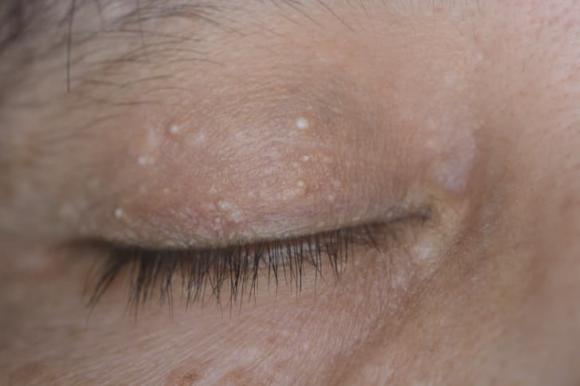
What Causes Milia?
Milia can appear for several reasons, including:
-
Dead skin cells not exfoliating properly
-
Heavy or pore-clogging skincare products
-
Sun damage
-
Skin trauma (burns, rashes, aggressive treatments)
-
Long-term use of steroid creams
They can affect both adults and children, even newborns.
Safe Ways to Get Rid of Tiny White Bumps
1. Leave Them Alone (Yes, Really)
Many milia resolve on their own over time, especially if you improve your skincare routine.
2. Use Gentle Chemical Exfoliation
Ingredients that may help encourage natural skin turnover include:
-
Salicylic acid (low concentration)
-
Glycolic acid
-
Lactic acid
Use sparingly - over-exfoliation can worsen milia.
3. Avoid Heavy, Occlusive Products
Thick creams and oils can trap keratin. Opt for:
-
Non-comedogenic moisturizers
-
Lightweight gels or lotions
-
Oil-free sunscreens
4. Professional Extraction (Safest Option)
Dermatologists or licensed estheticians can remove milia safely using:
-
Sterile tools
-
Proper technique
-
Minimal trauma
This is the only recommended way to remove stubborn milia.
5. Consider Retinoids (With Guidance)
Prescription or over-the-counter retinoids can:
-
Increase skin cell turnover
-
Prevent new milia from forming
These should be used cautiously, especially around the eyes, and ideally under professional advice.
When to See a Dermatologist
Seek professional help if:
-
The bumps persist for months
-
They increase in number
-
They appear inflamed or painful
-
You’re unsure what they are
Early evaluation prevents unnecessary damage and ensures proper treatment.
Final Thoughts
Tiny white bumps on your face may look tempting to remove - but resist the urge. In most cases, they’re harmless milia that require patience and gentle care, not force.
Your skin heals best when it’s protected, not attacked. When in doubt, let a professional handle it. A calm, informed approach will always give you better results than quick fixes and your skin will thank you for it.