Scientists Discover a “Mortality Timer” in Cells — Could This Slow Aging?
Aging has long been one of biology’s greatest mysteries. Why do cells stop dividing? Why does the body gradually lose its ability to repair itself? Now, scientists believe they may have uncovered a crucial clue: a “mortality timer” embedded inside our cells.
This discovery could reshape how we understand aging—and potentially how we slow it down.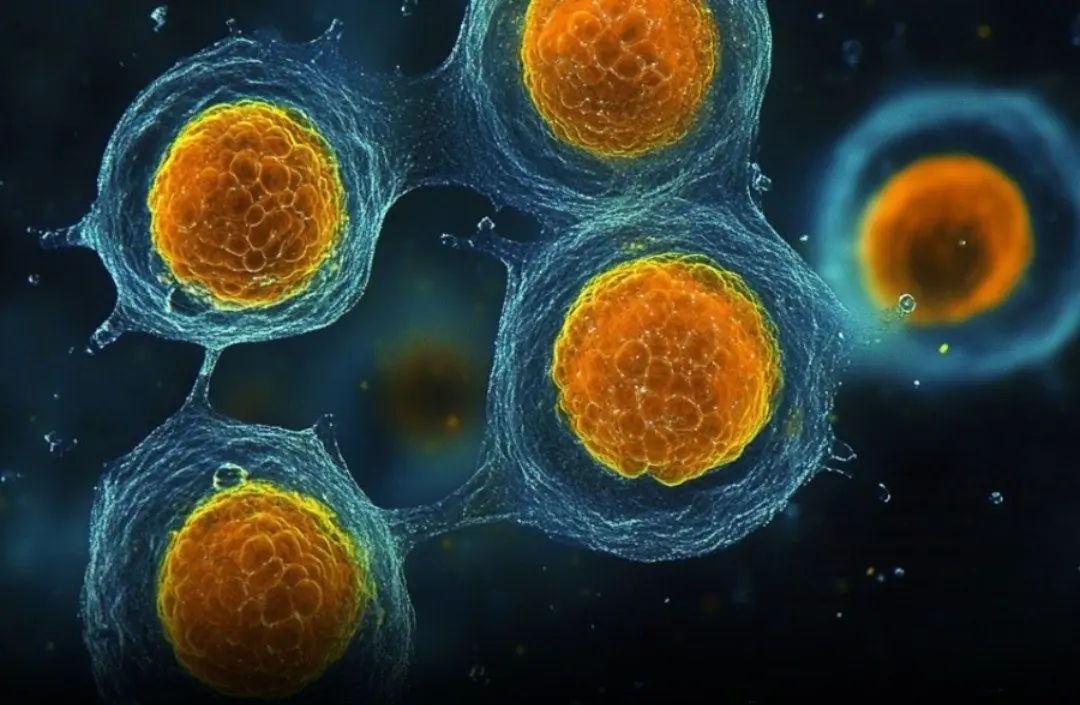
What Is the Cellular “Mortality Timer”?
Researchers have identified a biological mechanism that appears to count how many times a cell can divide before it permanently stops. Once this limit is reached, the cell enters a state called senescence, where it no longer divides or functions normally.
This internal countdown is not a clock you can see, but a molecular process tied to cellular wear and tear. Over time, damage accumulates, signaling the cell that it has reached the end of its productive life.
Why Cell Division Matters for Aging
Your body is constantly renewing itself. Skin cells, blood cells, and cells lining your organs are regularly replaced. This renewal depends on healthy cell division.
As more cells hit their division limit:
-
Tissue repair slows
-
Organs become less efficient
-
Inflammation increases
-
Disease risk rises
In short, aging is not just about time—it’s about how long cells remain functional.
The Role of Telomeres
One key component of the mortality timer is believed to be telomeres—protective caps at the ends of chromosomes. Each time a cell divides, these caps become slightly shorter.
When telomeres shrink beyond a critical point, the cell receives a signal to stop dividing. This process protects against uncontrolled growth, such as cancer—but it also contributes to aging.
Scientists now think telomere shortening is part of a broader timing system, not the whole story.
Why This Discovery Is Important
Understanding the mortality timer helps explain why:
-
Aging affects all organs, not just one
-
Some tissues age faster than others
-
Chronic diseases become more common with age
More importantly, it opens the door to interventions that could slow cellular aging without stopping it entirely, preserving balance and safety.
Can the Mortality Timer Be Slowed?
Researchers are cautious, but early findings suggest the timer may be adjustable, not fixed. Certain processes appear to influence how quickly cells reach their limit, including:
-
DNA repair efficiency
-
Mitochondrial health
-
Oxidative stress levels
-
Chronic inflammation
By improving these systems, scientists hope to extend the healthy lifespan of cells, not make them immortal.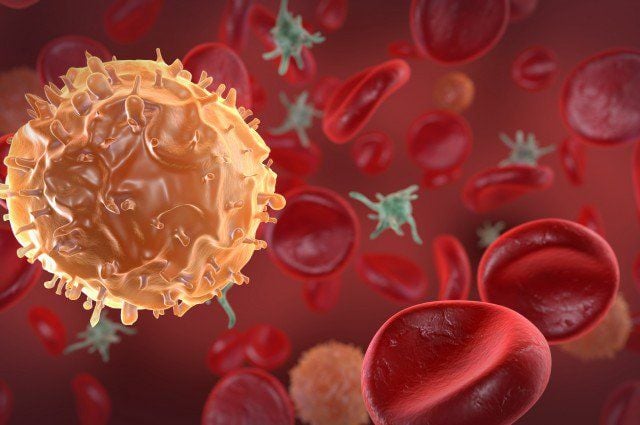
Why “Slowing” Aging Is the Goal—Not Stopping It
Completely removing a cell’s division limit would be dangerous. Cells that divide endlessly can turn cancerous.
That’s why researchers emphasize slowing aging, not eliminating it. The goal is to:
-
Delay cellular decline
-
Reduce age-related disease
-
Maintain function longer
In other words, more healthy years, not just more years.
What This Means for Human Lifespan
If scientists learn how to safely influence the cellular mortality timer, the impact could be profound:
-
Slower tissue degeneration
-
Later onset of age-related diseases
-
Improved quality of life in older age
This research does not promise immortality—but it does suggest aging is partly programmable, not purely inevitable.
Is This Available Yet?
Not yet. Most of this research is still in laboratory and early clinical stages. Translating cellular discoveries into safe treatments for humans takes time, testing, and strict regulation.
Experts warn against products or supplements that claim to “reset aging clocks” or “reverse cellular age” without solid evidence.
What You Can Do Now to Support Cellular Health
While science advances, everyday habits still matter. Research consistently shows that cellular aging is influenced by:
-
Regular physical activity
-
Balanced nutrition
-
Adequate sleep
-
Stress management
-
Avoiding smoking and excessive alcohol
These habits don’t stop the mortality timer—but they may slow how fast it ticks.
The Bottom Line
The discovery of a cellular “mortality timer” marks a major step forward in aging research. It suggests aging is not random, but guided by biological processes that scientists are beginning to understand.
While practical anti-aging therapies are still years away, this finding brings us closer to a future where living longer also means living better. Understanding how our cells keep time may ultimately help us make the most of the time we have.