People with HIV Explain First Symptoms as Experts Warn of 3.3 Million New Cases
This post may contain affiliate links. As an Amazon Associate, I earn from qualifying purchases. Read my disclosure policy here.
The journey of diagnosing HIV is often a complicated and unpredictable one. For many people, the first signs of the virus were vague, initially mistaken for other less serious conditions. For some, it was an inexplicable fatigue that struck even after a full night’s sleep. Others noticed rashes or flu-like symptoms that appeared out of nowhere. Meanwhile, some experienced no symptoms at all until a routine test revealed the shocking news.
Online forums have evolved into unexpected archives where people living with HIV share their earliest experiences, offering personal insights that statistics alone cannot provide. With global health organizations predicting a significant rise in infections by the decade's end, these individual stories humanize the detection of HIV and give a real-time sense of what it's like to live with the virus.
Recently, United Nations agencies raised the alarm, predicting that, without substantial intervention, an additional 3.3 million people could contract HIV by 2030. Currently, about 39.9 million people worldwide are living with the virus. Despite this grim outlook, many individuals already living with HIV are sharing their stories, offering a combination of caution and hope for those willing to listen.
Reddit Users Share Their HIV Diagnosis Stories
A discussion thread on a Reddit HIV community sparked dozens of candid responses from users willing to share difficult and deeply personal memories. One user asked others to describe how they discovered their positive status, how long they had been infected before symptoms appeared, and whether delayed diagnoses still left room for hope.
The responses varied, but many shared a striking similarity in their honesty.
One person explained waking up feeling physically drained after what should have been a restful night’s sleep. Exhaustion set in so intensely that they could not even get out of bed, leading them to seek medical attention. After various tests, the cause of their debilitating fatigue was revealed: an HIV diagnosis.
"I had no symptoms,” they wrote. “I woke up one day after a very good night’s sleep, and was so exhausted, I couldn’t get out of bed. So, off to the doc for tests, and that’s when I found out.”
Despite the delayed diagnosis, this individual emphasized that there is still hope, even after a late detection.
Flu Symptoms and Rashes After Risky Exposure

Another Reddit user recounted a different experience. Just a week after what they described as a risky sexual encounter, they began to experience common flu symptoms coupled with small rashes. Given that they were usually in good health and rarely got sick, this unusual combination set off immediate alarms.
"I believe I have a pretty strong immune system since I don’t get sick easily, and that’s when it crossed my mind that I might be infected," they shared.
Suspecting they had contracted the virus, they ordered a free self-testing kit online. Three weeks later, the kit arrived, and after ten minutes of waiting, a faint line appeared on the test strip.
“It feels like my life was over,” they wrote, recalling the shock of that moment.
After the initial devastation, this individual began taking antiretroviral medications (ARVs), which, while not curing HIV, help manage the virus. These medications serve two critical functions: they prevent the virus from entering cells and reproducing, and they reduce viral loads to levels where transmission is nearly impossible.
According to the Cleveland Clinic, combining multiple ARVs instead of relying on a single drug enhances treatment effectiveness and reduces the risk of drug resistance. When taken consistently, the viral load can drop so low that standard blood tests can no longer detect HIV, a state known as being "undetectable."
UN and WHO Sound Alarm Over Coming Surge

Before these personal accounts began circulating, major health organizations had already raised concerns about the future of HIV treatment and prevention.
The United Nations Population Fund projects that, unless prevention efforts intensify, 3.3 million more people will contract HIV by 2030. Officials from the World Health Organization (WHO) referred to this period as a critical juncture in the fight against the virus.
In a statement, the WHO expressed alarm over the potential reversal of decades of progress. "Life-saving services are being disrupted, and many communities face heightened risks and vulnerabilities," they stated. "Yet amid these challenges, hope endures in the determination, resilience, and innovation of communities who strive to end AIDS" (Business Day).
Current Global Statistics Paint a Complex Picture
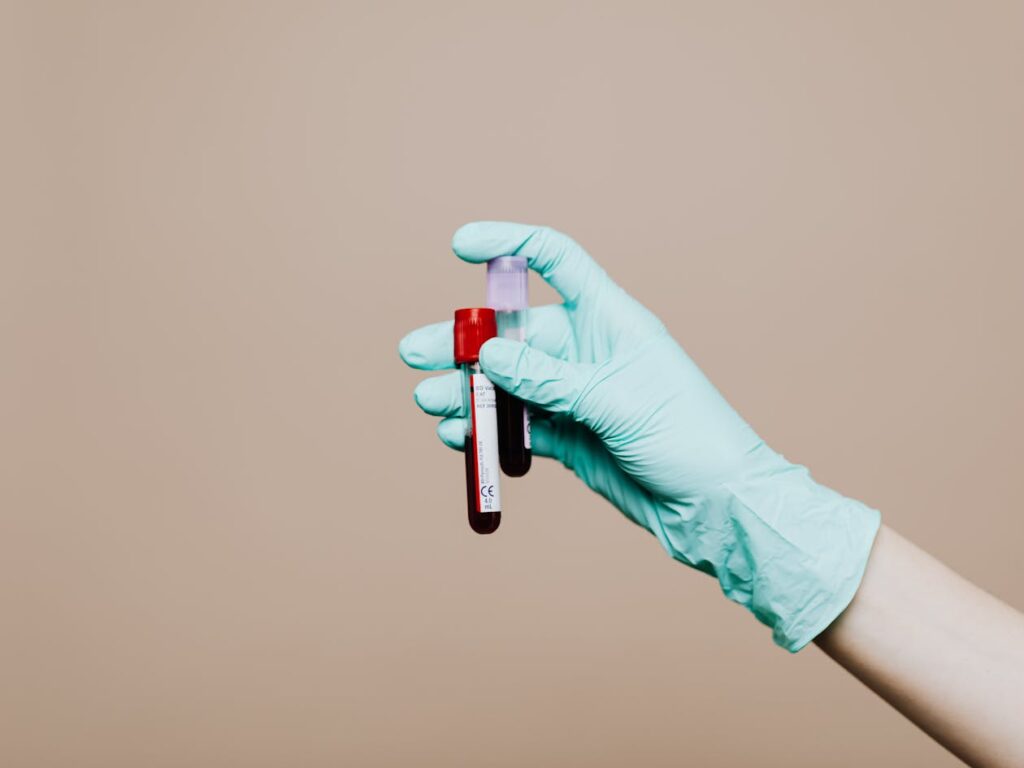
As of the end of 2023, 39.9 million people worldwide are living with HIV. Among them, 38.6 million are adults, and 1.4 million are children. The number of new infections has been on the decline, with 1.3 million people contracting HIV in 2023. This marks a 39% reduction since 2010 and a 60% drop from peak levels in 1995. However, the number remains staggering, with women and girls accounting for 44% of all new infections.
Testing access has improved, with approximately 86% of people with HIV knowing their status. However, 5.4 million people still do not know they are HIV positive, highlighting the need for increased access to testing services.
Aid Cuts Shake HIV Services to the Core
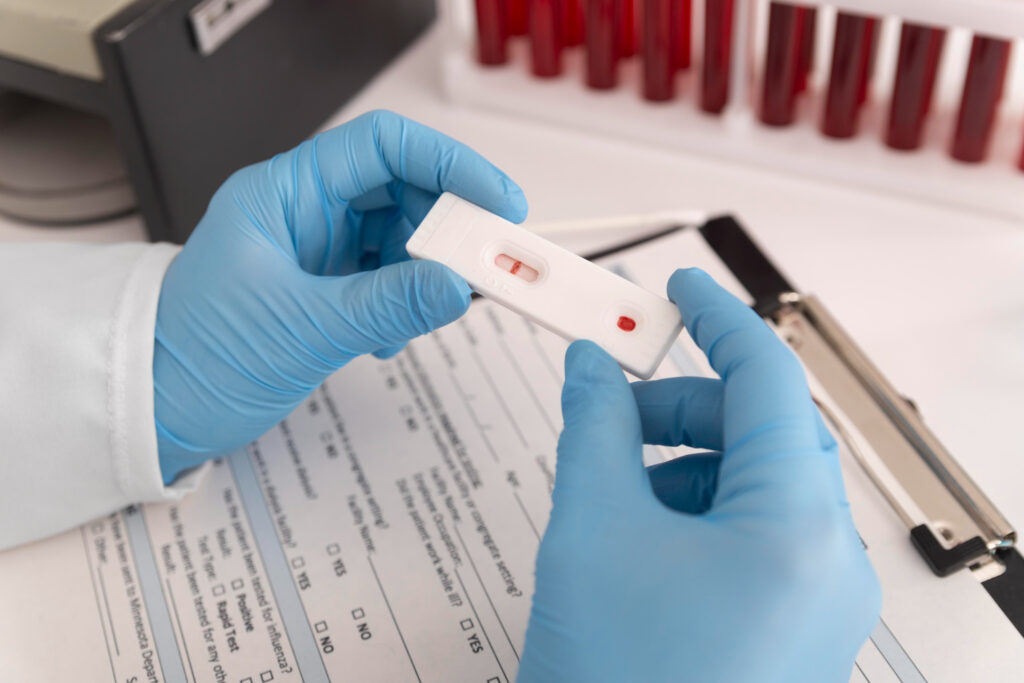
Despite progress, funding cuts have had a detrimental impact on HIV services, particularly in sub-Saharan Africa. In Mozambique, a teenage rape victim arrived at a health clinic seeking care, only to find it closed. In Zimbabwe, AIDS-related deaths rose for the first time in five years (UNAIDS). Furthermore, several African countries faced shortages of HIV test kits, leaving countless individuals undiagnosed.
The United Nations has warned that, without prompt action, the number of new HIV infections could surge to 3.3 million more by 2030. This has been exacerbated by recent cuts in external health assistance, which have reduced the availability of prevention services and medication in key regions.
Treatment Options Offer Real Hope for Patients
The advent of antiretroviral therapy has revolutionized the management of HIV. ARVs stop the virus from reproducing and help reduce viral loads to undetectable levels, allowing individuals to live long, healthy lives. The term "undetectable equals untransmittable" (U=U) describes this state, where HIV cannot be sexually transmitted.
While the progress is undeniable, the challenge of access remains. Only 77% of people with HIV globally are receiving ARVs, leaving millions without treatment.
Signs of Recovery Through Domestic Investment
Despite funding setbacks, some countries have pledged to increase domestic investment in HIV services. Nations like Nigeria, Uganda, and South Africa are making efforts to address gaps left by reductions in international aid (UNAIDS). Additionally, long-acting injectable drugs for HIV prevention are gaining traction, offering hope for the future.
As Winnie Byanyima, executive director of UNAIDS, stated, "We know what works. We have the science, tools, and proven strategies. What we need now is political courage, investing in communities, and protecting human rights" (UNAIDS).
Where to Find Support and Testing Resources
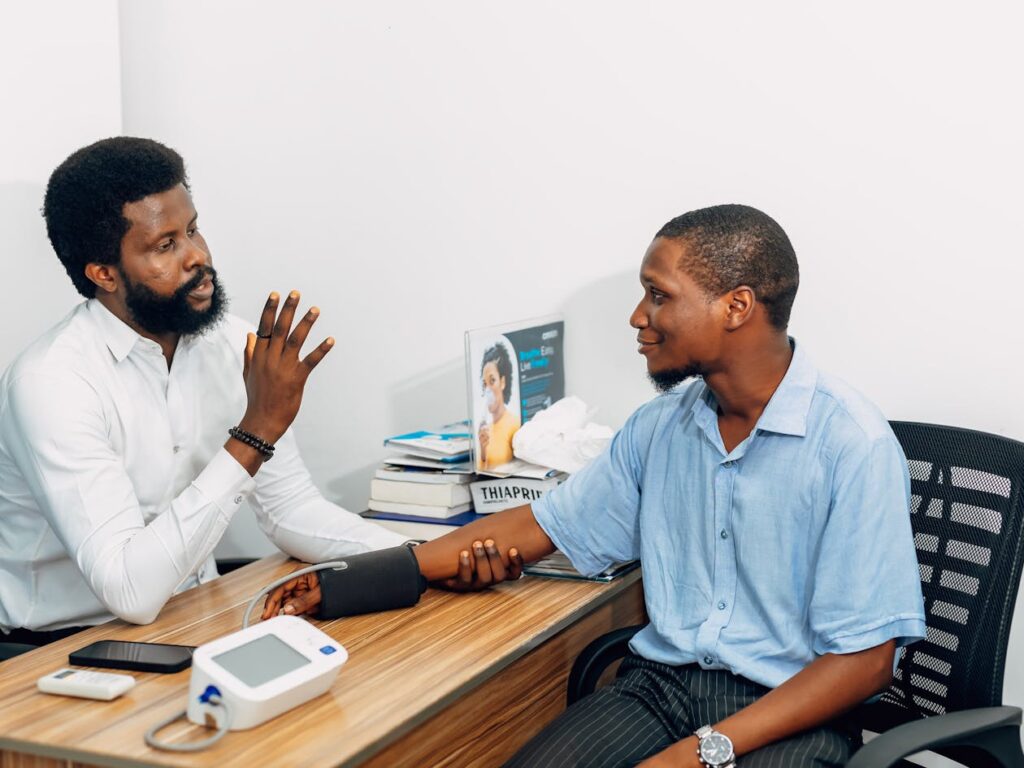
If you or someone you know is experiencing symptoms such as unexplained fatigue, rashes, or flu-like symptoms, it’s crucial to seek medical help and consider HIV testing. Early diagnosis and consistent treatment have dramatically improved outcomes for those living with HIV.
For confidential support, individuals can find directories of HIV and AIDS support hotlines online. Testing services are free and available in many locations. Early detection can dramatically improve treatment outcomes and help prevent the spread of HIV.
Modern medicine offers hope, and while challenges remain, the path to ending the HIV epidemic is still within reach.
Sources
-
Business Day. "WHO sounds alarm over HIV's future."
-
UNAIDS. "Global AIDS Update."
-
Cleveland Clinic. "Antiretroviral Therapy for HIV."