Is Dry, Itchy Skin in Winter Caused by Improper Bathing?
Many people believe that dry, itchy skin in winter is the result of poor bathing habits, so they shower more often, use hot water, and scrub their skin vigorously. In reality, these practices not only fail to relieve itching but can actually make skin problems worse.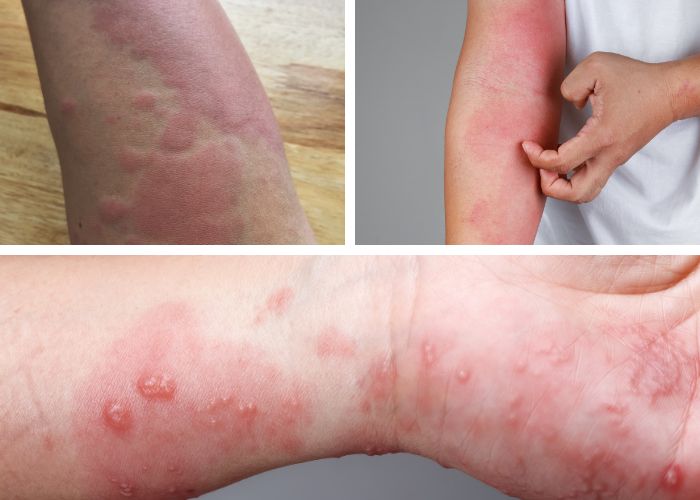
Common Winter Skincare Mistakes
The main cause of dry, itchy skin in winter is damage to the skin’s protective barrier due to cold, dry weather. Increasing the frequency of bathing and over-cleansing may provide temporary relief, but it can lead to more serious skin issues over time.
In particular, avoid washing your face with very hot water. Our skin has a natural oil layer on its surface that acts as a protective barrier to retain moisture. The higher the water temperature, the more easily this protective oil is dissolved.
During winter, the skin is already dehydrated. Washing with hot water further damages the oil barrier, making the skin drier and more vulnerable. As a result, even minor external刺激 can trigger intense itching and may lead to various skin conditions.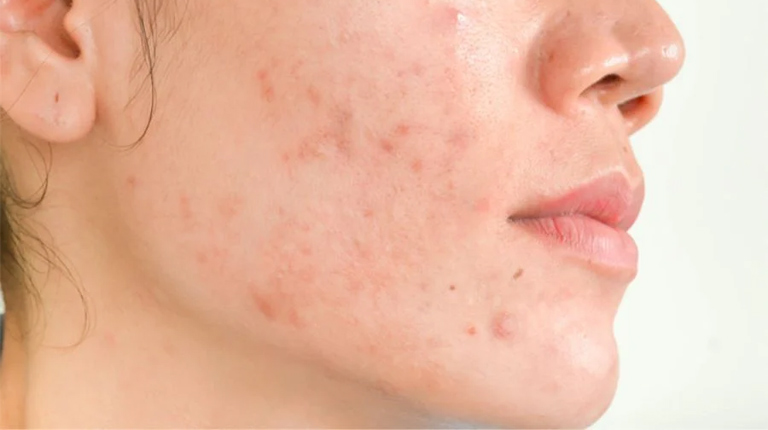
Another habit to avoid is scrubbing the skin too hard while bathing. What comes off when you scrub is often the outermost layer of skin—the stratum corneum—which plays a crucial protective role. Vigorous scrubbing destroys this layer along with the skin’s natural oils. Although scrubbing may feel relieving when you’re itchy, it actually worsens barrier damage and makes the skin more sensitive.
How to Prevent Dry, Itchy Skin in Winter
In winter, bathe with warm water at a temperature no higher than 38°C (100°F), and avoid hot water. Water temperatures above 40°C (104°F) can damage the skin barrier, dilate blood vessels under the skin, and worsen itching.
When caring for your skin in winter, avoid strongly alkaline soaps. While some have antibacterial properties, they can intensify dryness and tightness, especially in older adults and people with dry or sensitive skin.
After bathing, gently pat your skin dry with a towel—do not rub. The best time to apply moisturizer is within three minutes after bathing. This is the “golden window” to repair the skin barrier and quickly form a moisture-locking layer.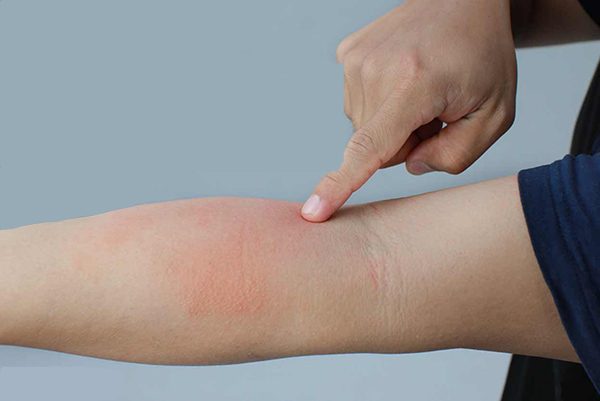
For facial care, people with dry or sensitive skin may skip toner in winter and apply moisturizer directly. If you use a facial mist, gently pat it in until absorbed, then apply a thin layer of face cream or lotion. Otherwise, the water in the mist can evaporate quickly, drawing moisture out of the skin and making dryness worse.
If your skin is already dry and itchy, reduce the frequency and duration of bathing to minimize irritation.
When Should You See a Doctor?
In winter, three groups of people tend to have weaker skin barriers and need extra care. First are older adults, whose sebaceous gland function declines, leading to reduced oil secretion and lipid synthesis between skin cells, making the skin more fragile in dry conditions. Second are people with dry or sensitive skin, who often experience redness, stinging, and flaking due to moisture loss. Third are patients with skin conditions such as eczema or psoriasis.
Experts emphasize that itching should not be ignored. You should see a dermatologist as soon as possible if any of the following occur:
-
Severe itching that interferes with daily life or sleep, or leads to bleeding or oozing from scratching—this suggests active skin inflammation requiring medication.
-
Worsening rashes, where dry, flaky patches spread into red areas with papules, blisters, thick scaling, or even involve the whole body—this may indicate eczema or psoriasis and needs prompt treatment.
-
No improvement after two weeks of consistent, proper moisturizing, or symptoms that continue to worsen—this suggests significant barrier damage or an underlying skin condition.
-
Systemic symptoms such as fever, fatigue, or joint pain along with skin discomfort—these may signal broader health issues and warrant medical evaluation.
Proper winter skincare isn’t about washing more—it’s about protecting and restoring the skin’s natural barrier.