It’s 2 a.m. and you’re sleeping peacefully—until a sharp, gripping pain seizes your calf. You sit up, rubbing your leg, waiting for the spasm to fade. If this sounds familiar, you’re not alone. Night leg cramps are one of the most common reasons people wake up suddenly in pain. Many assume it’s simply “not enough calcium” or “getting older,” but the real causes can be far more varied—and yes, sometimes surprising.
Night leg cramps are sudden, involuntary muscle contractions that usually affect the calf, foot, or thigh. They can last from a few seconds to several minutes and may leave lingering soreness for hours. While they are rarely dangerous on their own, frequent cramps can disrupt sleep and signal underlying issues that deserve attention.
The “Surprising” reason: it’s not always a mineral problem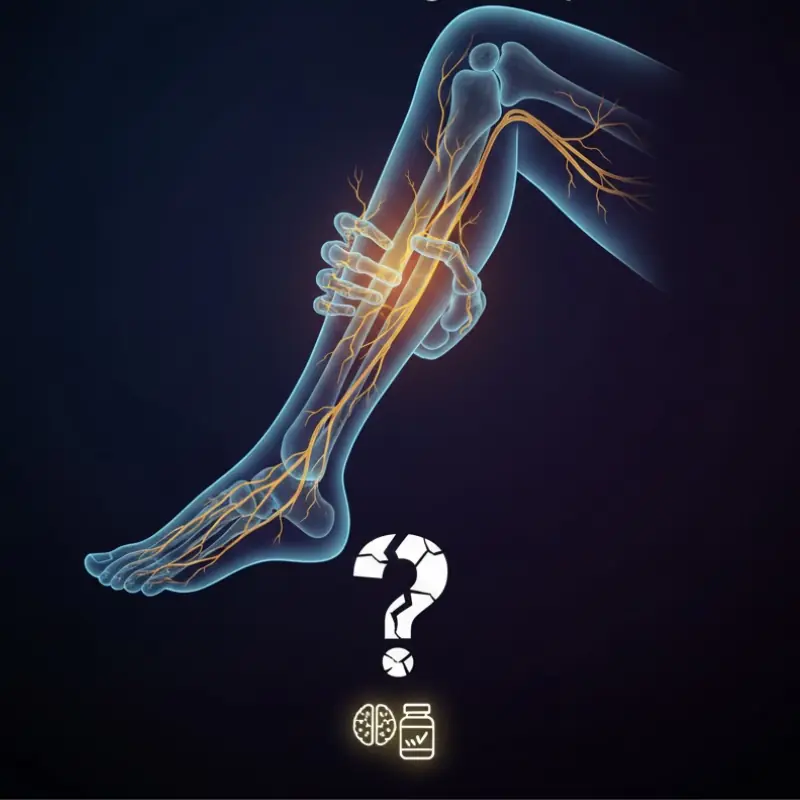
Most people immediately think of low potassium or magnesium. While electrolyte imbalance can contribute, research and clinical experience show that many nightly cramps come from muscle fatigue and nerve overactivity, not just missing nutrients.
When you lie down, your muscles relax and your nerves shift into a different mode of activity. If your muscles are tired, shortened, or irritated—especially after a long day—your nerves may misfire, triggering an abrupt contraction. That’s why cramps often strike at night rather than during the day.
Common hidden triggers you might not expect
Here are several overlooked reasons night leg cramps may happen:
1. Dehydration (even mild)
You don’t have to be severely dehydrated to get cramps. Even slightly low fluid levels can reduce circulation and increase muscle irritability. If you sweat a lot or drink too little water, your risk increases.
2. Long periods of sitting or standing
Jobs that require long hours on your feet—or sitting without moving—can strain the calf muscles and reduce blood flow. The muscles become tight, making cramps more likely during rest.
3. Tight calf muscles and poor stretching
Many people unknowingly walk around with shortened calf muscles, especially if they wear high heels, tight shoes, or rarely stretch. At night, when the foot naturally points downward, the calf can tighten further and trigger a spasm.
4. Medications
Certain medicines can increase cramp risk, including some diuretics (water pills), cholesterol-lowering drugs, asthma medications, and even some blood pressure drugs. If cramps began after starting a medication, talk with your doctor—never stop medicines on your own.
5. Low circulation or nerve issues
Cramps sometimes appear alongside other symptoms such as numbness, tingling, cold feet, or persistent leg pain. In some cases, poor circulation or nerve compression (like sciatica) can irritate the muscles.
6. Pregnancy and hormonal shifts
Pregnancy changes circulation and mineral balance, making cramps common in the second and third trimester.
How to stop a cramp fast (in the moment)
When a cramp strikes:
-
Stretch immediately: straighten the leg and gently pull toes toward your shin.
-
Massage the muscle: rub firmly to relax tight fibers.
-
Stand and walk: this often resets the muscle signal.
-
Apply heat: a warm towel or heating pad can relax the area.
How to prevent cramps tonight
Try these simple steps:
-
Stretch calves before bed (30 seconds each side, 2–3 times).
-
Stay hydrated during the day.
-
Avoid heavy exercise late at night.
-
Wear supportive shoes and avoid high heels for long periods.
-
Magnesium-rich foods like bananas, nuts, and leafy greens may help some people (but don’t overdo supplements without guidance).
When to see a doctor
If leg cramps happen often, are extremely painful, or occur with swelling, redness, weakness, or numbness, it’s time to get checked. Frequent cramps may sometimes reflect conditions like diabetes, thyroid issues, or circulation problems.