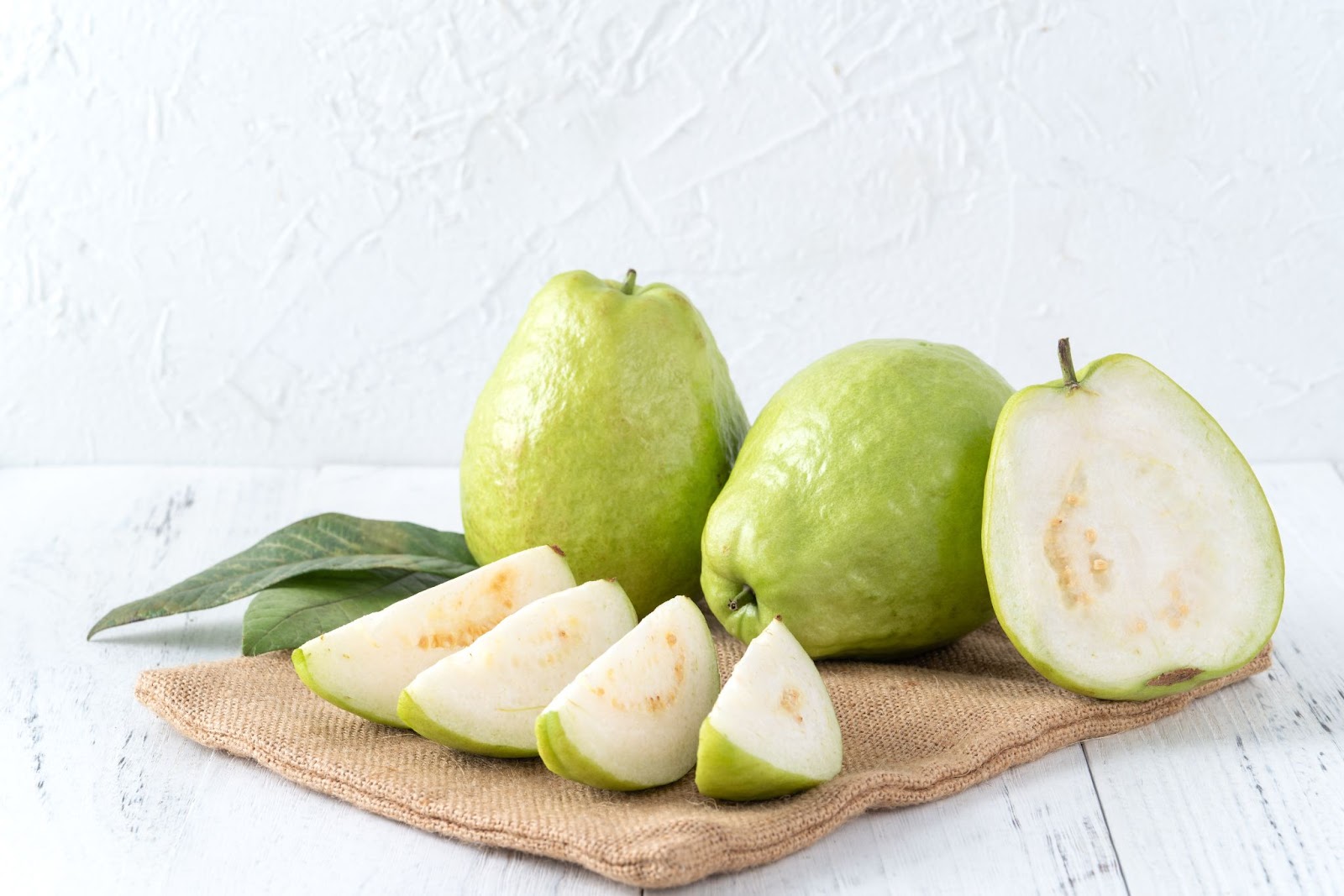
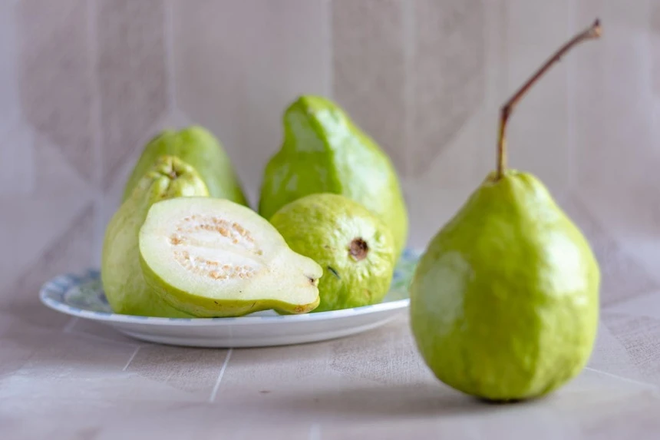
Guava is a nutritious fruit packed with vitamin C, fiber, and a variety of bioactive compounds. When eaten in normal amounts, it can support immunity, digestion, heart health, and even blood-sugar balance.
But like many healthy foods, too much guava — or eating it with certain medical conditions — can also lead to digestive discomfort, allergies, or blood-sugar interactions.
Here’s a clear breakdown of the benefits and the possible side effects, plus practical tips for safe daily use.
⭐ What Guava Helps With
1. Strong Immune Support — thanks to extremely high vitamin C
Guava is one of the richest natural sources of vitamin C, often providing more than 100% of the daily recommended value in a single fruit.
Vitamin C strengthens white blood cells, protects tissues from oxidative stress, and supports overall immune defenses. Regular intake helps your body respond more effectively to infections and inflammation.
2. Improved Digestion & Better Bowel Regularity — because of soluble + insoluble fiber
Guava contains both types of fiber:
-
Insoluble fiber adds bulk to stool and speeds up intestinal movement
-
Soluble fiber (like pectin) forms a gel that helps stabilize digestion
Together, they support smoother bowel movements, reduce constipation, and promote a healthier gut environment. Many people notice improved regularity after eating guava consistently.
3. Lower Post-Meal Blood Sugar — due to pectin + guava leaf compounds
The pectin in guava slows the absorption of glucose in the gut. This helps prevent sharp spikes in blood sugar after meals.
Guava leaf extracts, rich in flavonoids and other bioactives, have been shown in some studies to:
-
Improve insulin sensitivity
-
Lower post-meal glucose levels
-
Support metabolic health
Important: These effects are supportive, not a replacement for prescribed diabetes medications.
4. Heart-Health Benefits — from fiber, potassium, and antioxidants
Guava supports cardiovascular health in several ways:
-
Its fiber can help reduce LDL (“bad”) cholesterol
-
Its potassium helps regulate blood pressure and maintain normal heart rhythm
-
Its antioxidants reduce oxidative damage to arteries
Together, these nutrients may help lower the risk of heart disease when guava is part of a balanced diet.
5. Anti-Inflammatory & Antimicrobial Effects — due to plant phytochemicals
Guava leaves and peel contain compounds such as:
-
Polyphenols
-
Flavonoids
-
Tannins
These have documented anti-inflammatory, antimicrobial, and even mild pain-relieving effects in laboratory studies. This is why guava leaves have been used traditionally for diarrhea, gum problems, and wound care.
⚠️ What Guava Can Cause
1. Bloating, Gas, or Diarrhea — especially when eaten in excess
Guava contains natural sugars (including fructose) and a significant amount of fiber. If you eat too much:
-
Fructose can ferment in the gut
-
Fiber can overload the digestive system
-
Seeds may irritate sensitive stomachs
People with IBS or fructose malabsorption are more likely to experience gas, bloating, or loose stools.
2. Constipation — if you eat a lot without enough water
Although guava usually helps with constipation, very high fiber intake without enough hydration can actually harden stool and slow digestion.
The key is balance: fiber + water.
3. Allergic Reactions or Oral Allergy Syndrome
Some people experience reactions because certain guava proteins can cross-react with pollen allergens. Symptoms may include:
-
Itchy lips or mouth
-
Mild swelling
-
Hives
-
In severe cases: nausea, vomiting, or throat irritation
Anyone with a history of fruit or pollen allergies should be cautious.
4. Risk of Low Blood Sugar — if combined with diabetes medications
Because guava (especially leaf extracts) can help lower blood glucose, combining it with:
-
Insulin
-
Sulfonylureas
-
Other glucose-lowering medications
may increase the risk of hypoglycemia.
People with diabetes should monitor glucose closely and consult a clinician when adjusting their diet.
5. Skin or Contact Irritation (rare)
Direct contact with guava leaves or peel may irritate sensitive skin, especially when using homemade remedies. This is uncommon when simply eating the fruit.
✔️ Practical Guidance
Moderation
For most healthy adults, 1 medium guava per day is safe and beneficial.
If you have diabetes
-
Monitor blood glucose
-
Tell your doctor if you start drinking guava-leaf tea or eating guava regularly
Your medication dose may need adjustment.
If you have IBS or a sensitive gut
Start with half a fruit and see how your body responds.
If you have allergies
Stop eating guava if you notice mouth itching or swelling and consult an allergist.
If using guava extracts/supplements
These are more concentrated than the fruit — use cautiously and seek medical advice first.
Quick Takeaways
The Good
-
Boosts immunity (vitamin C)
-
Supports digestion (fiber)
-
Helps control blood sugar (pectin, leaf compounds)
-
Improves heart health (potassium, antioxidants)
The Cautions
-
Too much may cause bloating or diarrhea
-
Can trigger allergies
-
May interact with diabetes medications
-
High fiber intake requires enough water