Swollen legs are more than just an uncomfortable nuisance. For many people, they are a daily reminder of circulation problems, long hours of standing or sitting, vein weakness, or chronic conditions like venous insufficiency. While compression stockings and lifestyle changes help, one natural remedy has stood out for centuries: horse chestnut.
Used in traditional European medicine and now widely studied, horse chestnut has earned a strong reputation for reducing leg swelling, heaviness, and discomfort - especially when poor circulation is the root cause.
So why does it work so well?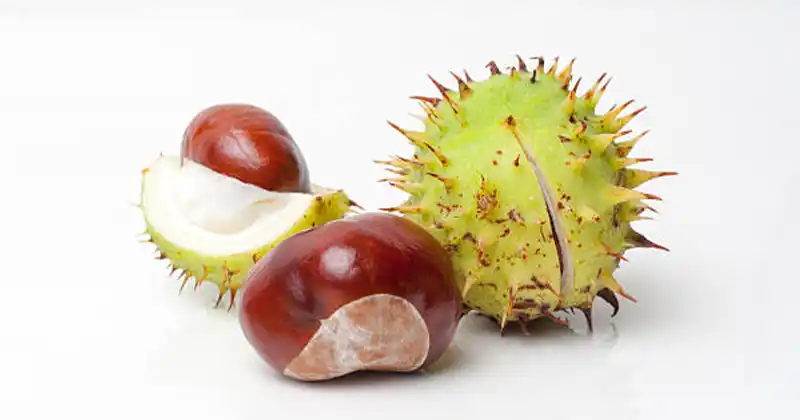
Understanding Swollen Legs
Leg swelling, also known as edema, happens when fluid leaks out of blood vessels and collects in surrounding tissues. This often occurs due to:
-
Weak or damaged vein walls
-
Faulty vein valves
-
Poor blood return to the heart
-
Long periods of immobility
-
Chronic venous insufficiency (CVI)
Symptoms commonly include:
-
Puffy ankles and calves
-
A feeling of heaviness or tightness
-
Aching, throbbing, or fatigue in the legs
-
Skin that feels stretched or tender
Horse chestnut targets the underlying vascular problem, not just the surface swelling.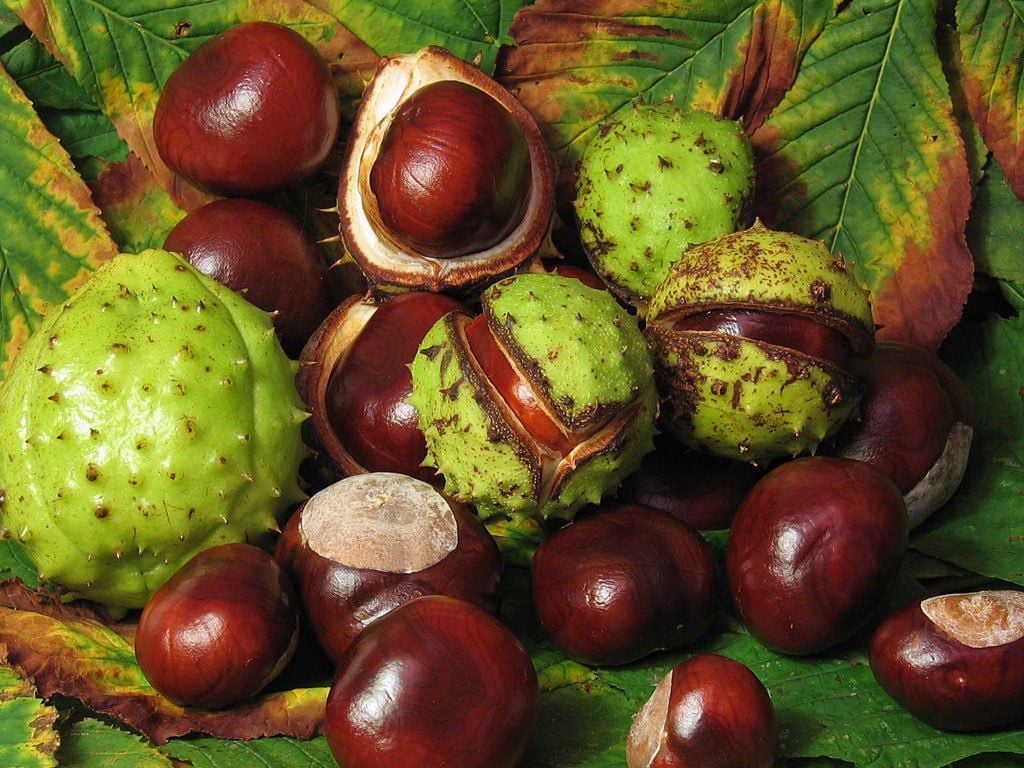
What Is Horse Chestnut?
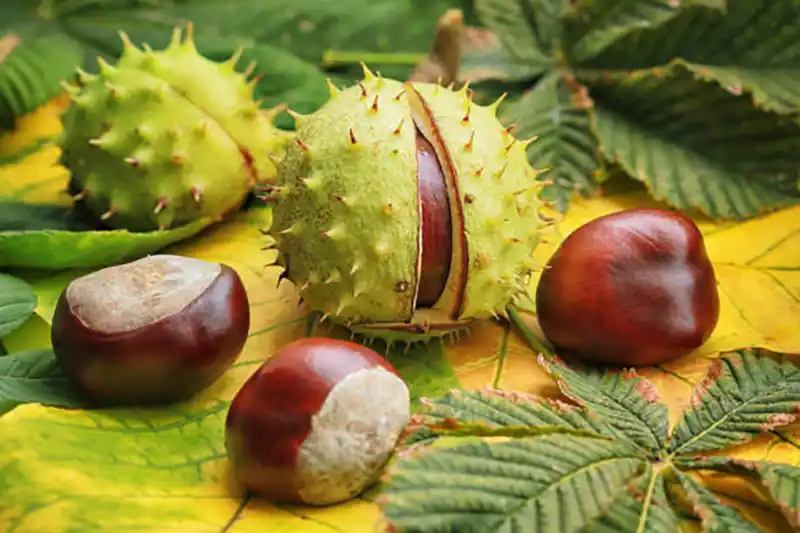
Horse chestnut comes from the seeds of the Aesculus hippocastanum tree. The active compound responsible for most of its benefits is aescin (also spelled escin).
Aescin is known for its:
-
Vein-strengthening effects
-
Anti-inflammatory properties
-
Ability to reduce fluid leakage from capillaries
Modern extracts are standardized to contain precise amounts of aescin, making them both safer and more effective than raw preparations.
How Horse Chestnut Reduces Swollen Legs
1. Strengthens Vein Walls
One of the main causes of leg swelling is weak vein walls that allow fluid to seep into surrounding tissues.
Horse chestnut helps by:
-
Increasing vein tone
-
Improving elasticity of blood vessel walls
-
Making veins less “leaky”
Stronger veins mean less fluid escapes - resulting in visibly reduced swelling.
2. Improves Blood Flow Back to the Heart
In healthy legs, veins push blood upward against gravity using valves and muscle contractions. When this system fails, blood pools in the lower legs.
Horse chestnut:
-
Enhances venous return
-
Reduces blood stagnation
-
Supports proper valve function
This improved circulation directly reduces pressure in the lower limbs.
3. Reduces Inflammation
Swelling is often accompanied by inflammation, which further damages blood vessels.
Aescin has anti-inflammatory effects that:
-
Calm irritated tissues
-
Reduce redness and warmth
-
Ease discomfort and aching
Less inflammation means less swelling and faster relief.
4. Decreases Capillary Permeability
Capillaries are tiny blood vessels that easily leak fluid when damaged or inflamed.
Horse chestnut helps:
-
Seal capillary walls
-
Prevent excessive fluid leakage
-
Limit buildup of edema
This action is one of the key reasons it works so well for chronic leg swelling.
5. Relieves Heaviness and Leg Fatigue
Many people notice that horse chestnut doesn’t just reduce swelling - it also makes legs feel lighter.
Regular use has been shown to:
-
Reduce aching
-
Decrease night cramps
-
Improve overall leg comfort
This makes it especially helpful for people who stand or sit for long hours.
Evidence from Research
Clinical studies have shown that standardized horse chestnut extract can be as effective as compression stockings for mild to moderate chronic venous insufficiency.
Participants commonly report:
-
Reduced ankle and calf circumference
-
Less pain and heaviness
-
Improved quality of life
Importantly, these benefits often appear within 2–4 weeks of consistent use.
How Horse Chestnut Is Used
Horse chestnut is available in several forms:
-
Capsules or tablets
-
Liquid extracts
-
Topical gels and creams
Oral supplements work systemically to improve circulation, while topical products can provide faster, localized relief for tired legs.
Who Benefits the Most?
Horse chestnut is especially useful for:
-
People with chronic venous insufficiency
-
Those with varicose veins
-
Individuals who sit or stand all day
-
Travelers experiencing leg swelling
-
Older adults with circulation issues
Safety and Precautions
Only processed and standardized extracts should be used. Raw horse chestnut seeds are toxic and unsafe to consume.
Avoid or consult a healthcare provider if you:
-
Are pregnant or breastfeeding
-
Have kidney or liver disease
-
Are taking blood thinners
When used correctly, standardized horse chestnut extract is generally well tolerated.
Final Thoughts
Horse chestnut is effective for swollen legs because it addresses the problem at its source - weak veins, poor circulation, and inflammation. Rather than masking symptoms, it helps restore vascular strength and balance, allowing the body to manage fluid properly again.
For anyone dealing with persistent leg swelling, heaviness, or discomfort, horse chestnut offers a rare combination of traditional wisdom and modern scientific support.
Sometimes, the most effective solutions aren’t new - they’re simply proven.