Breakthrough Research: Scientists Explore a New Way to Reprogram Cancer Cells
In recent years, cancer research has entered a new and exciting phase. Instead of only focusing on destroying cancer cells, scientists are now exploring a different idea: what if cancer cells could be guided back toward normal behavior?
This concept, often referred to as cellular reprogramming, is generating global interest. While it is not a cure, it represents a promising direction that could reshape how cancer is treated in the future.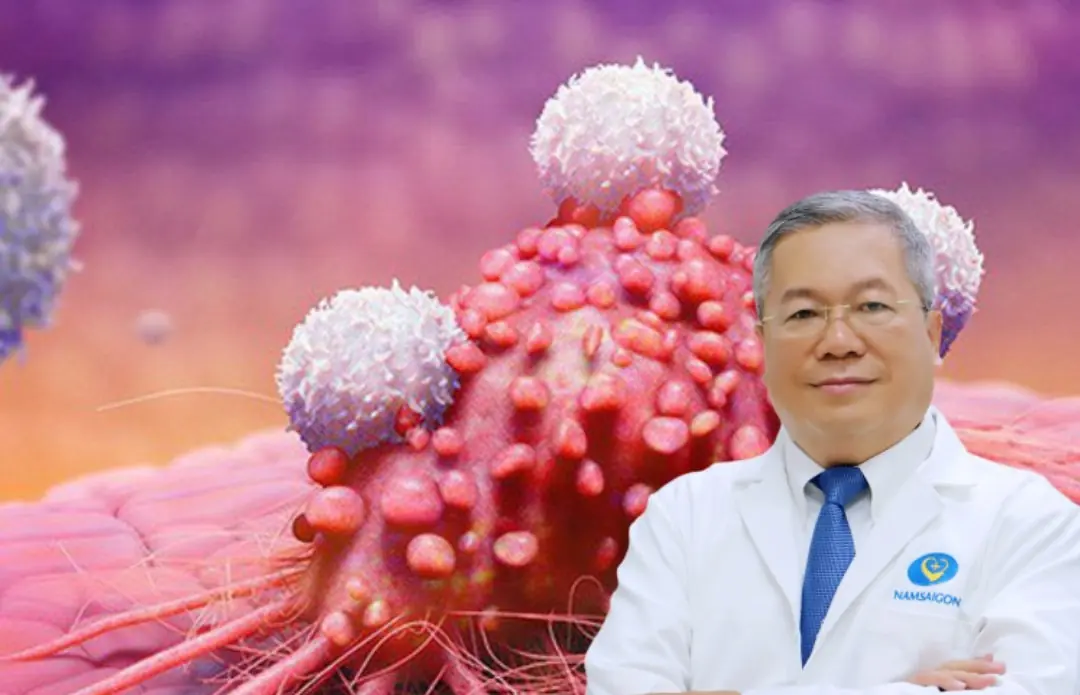
Understanding Cancer at the Cellular Level
Cancer occurs when normal cells lose control over their growth and division. These cells begin to multiply uncontrollably, invade surrounding tissues, and sometimes spread to other parts of the body.
Traditionally, cancer treatment has focused on:
-
Killing cancer cells (chemotherapy, radiation)
-
Removing tumors (surgery)
-
Blocking growth signals (targeted therapy)
However, these methods can also damage healthy cells and cause severe side effects.
A New Idea: Can Cancer Cells Be “Reprogrammed”?
Recent laboratory studies suggest that cancer cells may not be completely irreversible. Scientists have discovered that certain genetic and molecular signals play a key role in determining whether a cell behaves normally or becomes cancerous.
By influencing these signals, researchers believe it may be possible to:
-
Reduce aggressive cancer behavior
-
Encourage cancer cells to act more like normal cells
-
Slow or stop tumor growth
This approach does not eliminate cancer cells instantly, but instead aims to change their behavior.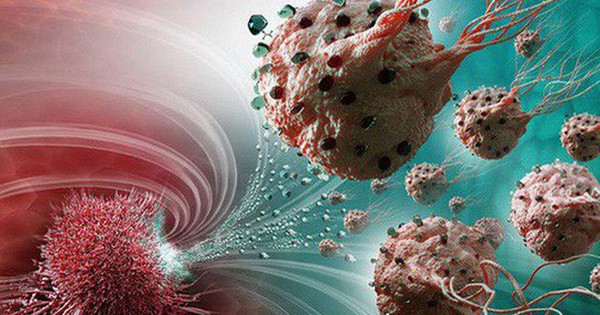
What the Research Shows So Far
Promising Results in Laboratory Studies
In controlled laboratory environments, researchers have observed that:
-
Altering specific gene pathways can reduce tumor-like behavior
-
Cancer cells may lose their ability to spread
-
Some cells show characteristics closer to healthy tissue
These findings are early-stage and mostly limited to cell cultures and animal models.
Important Limitations
It is crucial to understand that:
-
These methods are not yet proven in humans
-
Results vary depending on cancer type
-
Long-term effects remain unknown
Researchers emphasize that this is experimental science, not clinical treatment.
Why This Approach Matters
If successful in the future, cellular reprogramming could offer several advantages.
Potential Benefits
-
Fewer side effects compared to aggressive treatments
-
Reduced damage to healthy cells
-
More personalized treatment strategies
Complement, Not Replacement
Experts stress that this approach would likely complement existing therapies, not replace them entirely.
What This Does NOT Mean
There is significant misinformation online about cancer “miracle cures.” It is important to be clear:
-
This research does not mean cancer can currently be reversed easily
-
No food, supplement, or home remedy can reprogram cancer cells
-
Clinical application may take many years of testing
Patients should always rely on evidence-based medical care.
Expert Opinions and Cautious Optimism
Many oncologists describe this research as “scientifically exciting but clinically distant.”
According to experts:
-
Cancer is complex and behaves differently in each patient
-
Reprogramming one pathway may not be enough
-
Safety must be thoroughly evaluated before human use
Still, the concept opens new doors for understanding cancer at a deeper biological level.
What This Means for Patients Today
For people currently facing cancer:
-
Standard treatments remain the most effective options
-
Early detection is still the strongest factor for survival
-
New research provides hope, not immediate solutions
Patients are encouraged to discuss any new therapies with qualified medical professionals.
The Future of Cancer Treatment
Cancer research is shifting from a “destroy at all costs” mindset to a more refined, biological approach. Cellular reprogramming represents a long-term scientific goal rather than a quick fix.
With continued research, collaboration, and ethical testing, this strategy may one day contribute to safer and more effective cancer management.
Final Thoughts
The idea of guiding cancer cells back toward normal behavior is one of the most intriguing developments in modern oncology. While still in its early stages, it highlights how far science has come in understanding the complexity of disease.