Stroke at 19: Doctors Say These 5 Symptoms Could Save a Life
Stroke is often seen as a condition that affects older adults. However, medical experts are increasingly warning that strokes can occur in teenagers and young adults, sometimes with devastating consequences. In many cases, the danger is not the stroke itself—but the failure to recognize the warning signs early.
Understanding these symptoms could mean the difference between full recovery and permanent disability, or even death.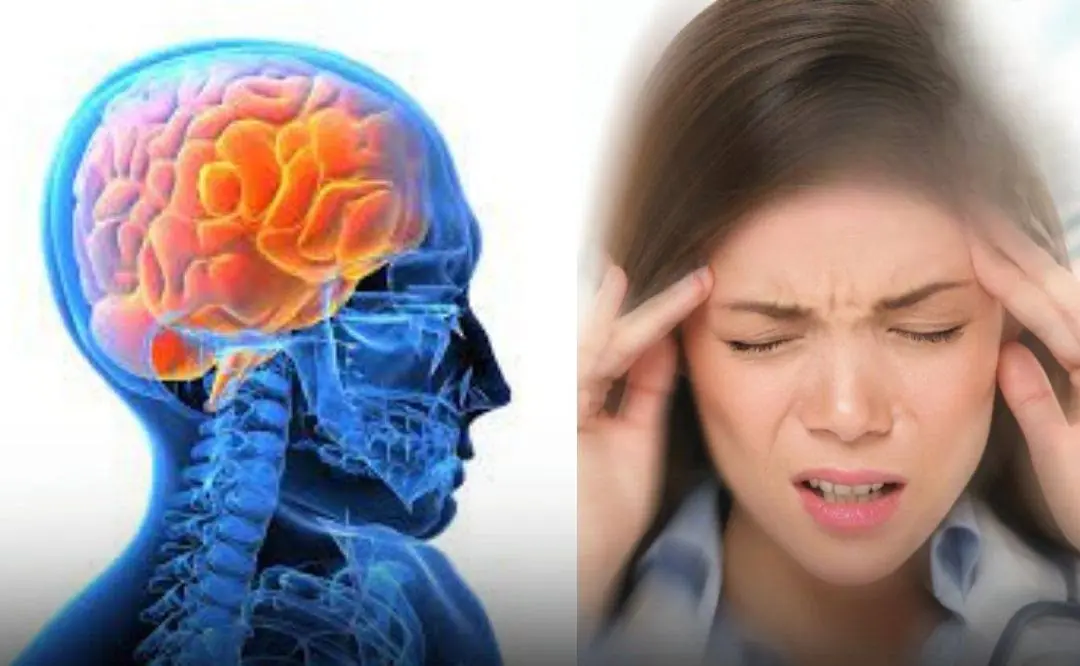
Why Stroke Can Happen at a Young Age
A stroke occurs when blood flow to the brain is suddenly interrupted, either by a blockage or a ruptured blood vessel. While age is a risk factor, it is not a guarantee of protection.
Common risk factors in young people include:
-
Undiagnosed heart conditions
-
Blood clotting disorders
-
Smoking or vaping
-
Use of drugs or alcohol
-
Severe migraines
-
Hormonal contraceptives combined with smoking
-
Extreme stress or lack of sleep
Because young people often appear healthy, early symptoms are frequently ignored.
Why Early Symptoms Are Often Missed
Young individuals may dismiss symptoms as:
-
Stress
-
Anxiety or panic attacks
-
Migraine headaches
-
Fatigue or dehydration
This delay in seeking help is dangerous. Stroke treatment is time-sensitive, and every minute matters.
1. Sudden, Severe Headache Unlike Anything Before
One of the most common early signs is a sudden and intense headache.
Warning features include:
-
Pain that appears abruptly
-
Headache described as “the worst ever”
-
Accompanied by nausea, vomiting, or dizziness
This type of headache should never be ignored, especially if it feels different from past headaches.
2. Weakness or Numbness on One Side of the Body
Sudden loss of strength is a classic stroke symptom—even in young people.
-
Weakness in the arm, leg, or face
-
Numbness or tingling on one side
-
Difficulty lifting one arm equally
If one side of the body suddenly feels “heavy” or unresponsive, seek emergency care immediately.
3. Trouble Speaking or Understanding Words
Speech changes are a major red flag.
Signs to watch for:
-
Slurred speech
-
Difficulty finding words
-
Inability to understand simple sentences
-
Sudden confusion
Friends or family may notice speech problems before the person does.
4. Vision Problems or Dizziness
The brain controls vision and balance, so a stroke can disrupt both.
-
Blurred or double vision
-
Sudden vision loss in one eye
-
Severe dizziness or loss of coordination
-
Difficulty walking straight
These symptoms may appear suddenly and worsen quickly.
5. Facial Drooping or Asymmetry
A simple mirror test can reveal this sign.
-
One side of the face droops
-
Uneven smile
-
Inability to control facial muscles
Facial asymmetry is one of the most recognizable stroke warning signs.
The FAST Rule: A Lifesaving Tool
Doctors often use the FAST method to identify stroke quickly:
-
F – Face: Does one side droop?
-
A – Arms: Can both arms be raised equally?
-
S – Speech: Is speech slurred or strange?
-
T – Time: Call emergency services immediately
If even one sign is present, do not wait.
What NOT to Do
Many young people make critical mistakes, such as:
-
“Sleeping it off”
-
Taking painkillers and waiting
-
Assuming symptoms will pass
-
Avoiding hospitals out of fear or embarrassment
These delays can cause irreversible brain damage.
Why Immediate Action Saves Lives
When treated early:
-
Brain damage can be minimized
-
Recovery chances are significantly higher
-
Long-term disability may be avoided
When treatment is delayed:
-
Permanent paralysis may occur
-
Speech or memory may be lost
-
Risk of death increases dramatically
Prevention Starts with Awareness
Doctors recommend:
-
Knowing your personal risk factors
-
Avoiding smoking and substance abuse
-
Managing stress and sleep
-
Seeking medical advice for recurring migraines or unusual symptoms
-
Getting regular health checkups if you have a family history
Stroke awareness is not about fear—it is about preparedness.
Final Thoughts
A stroke at 19 may sound shocking, but it is real—and it is happening more often than people realize. The body usually sends warning signs. The tragedy occurs when those signs are ignored.
Youth does not make you immune. Awareness makes you safer.
If you ever notice these symptoms in yourself or someone else, act immediately. Fast action can save a life.