10 Warning Signs Your Kidneys Are Failing and Crying for Help
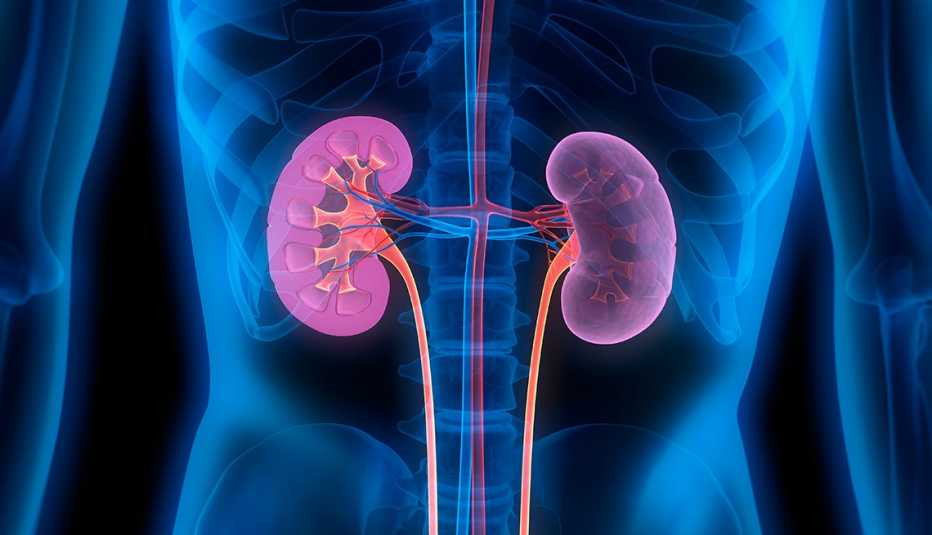
The kidneys are vital organs responsible for filtering waste, balancing fluids, and regulating blood pressure. When they begin to fail, the body often sends out early warning signals—but many people overlook or misunderstand them.
Recognizing these signs early can help prevent serious complications, including permanent kidney damage.
Why Kidney Problems Are Often Ignored
Kidney disease is sometimes called a “silent condition” because symptoms may appear gradually. Many warning signs are mistaken for fatigue, aging, or minor health issues.
Ignoring these signals can allow kidney damage to progress unnoticed.
1. Persistent Lower Back Pain
Pain in the lower back, especially on one side, may indicate kidney inflammation or infection.
-
The pain is usually deep and dull
-
It does not improve with rest or stretching
Back pain linked to kidneys often feels different from muscle pain.
2. Swelling in the Face, Hands, or Feet
When kidneys cannot remove excess fluid, it builds up in the body.
-
Puffy eyes, especially in the morning
-
Swollen ankles, feet, or fingers
This symptom suggests fluid retention, a common sign of kidney dysfunction.
3. Changes in Urination
Pay close attention to urine changes.
Warning signs include:
-
Foamy or bubbly urine
-
Dark, cloudy, or bloody urine
-
Frequent urination at night
-
Reduced urine output
These changes may signal protein loss or impaired kidney filtration.
4. Constant Fatigue and Weakness
Failing kidneys produce fewer red blood cells, leading to anemia.
-
Feeling tired despite adequate rest
-
Difficulty concentrating
-
General weakness
This fatigue often worsens over time if untreated.
5. Persistent Itching or Skin Rashes
Waste buildup in the bloodstream can irritate the skin.
-
Unexplained itching
-
Dry or irritated skin
-
Rashes that do not improve with treatment
Skin symptoms are commonly overlooked but can indicate advanced kidney stress.
6. Nausea and Loss of Appetite
As toxins accumulate in the body, digestion is affected.
-
Nausea or vomiting
-
Metallic taste in the mouth
-
Loss of appetite
These symptoms often appear alongside fatigue and weight loss.
7. Shortness of Breath
Kidney failure can cause fluid buildup in the lungs or anemia.
-
Feeling breathless after mild activity
-
Difficulty breathing while lying down
This sign requires immediate medical evaluation.
8. High Blood Pressure That Is Hard to Control
Kidneys help regulate blood pressure. When they fail:
-
Blood pressure may rise suddenly
-
Medications become less effective
Uncontrolled hypertension both causes and worsens kidney disease.
9. Muscle Cramps and Restless Legs
Electrolyte imbalances caused by kidney dysfunction may lead to:
-
Frequent muscle cramps
-
Twitching
-
Restless legs at night
These symptoms indicate disrupted mineral balance in the body.
10. Trouble Sleeping and Mental Fog
Toxin buildup can affect the nervous system.
-
Difficulty sleeping
-
Anxiety or restlessness
-
Memory problems or confusion
Mental symptoms are often mistaken for stress but may be kidney-related.
Who Is at Higher Risk?
Certain groups are more vulnerable to kidney disease:
-
People with diabetes or high blood pressure
-
Individuals with a family history of kidney disease
-
Long-term users of painkillers
-
Older adults
-
People who are frequently dehydrated
If you fall into a high-risk category, regular kidney checkups are essential.
When Should You See a Doctor?
Seek medical attention if:
-
Multiple symptoms appear together
-
Symptoms worsen or persist
-
You notice changes in urine or swelling
Early diagnosis can slow or even prevent further kidney damage.
Protecting Your Kidney Health
Doctors recommend:
-
Staying well hydrated
-
Limiting salt and processed foods
-
Avoiding unnecessary painkillers
-
Managing blood sugar and blood pressure
-
Getting regular health screenings
Healthy kidneys depend on consistent daily care, not quick fixes.
Final Thoughts
Your kidneys rarely “fail overnight.” They send signals long before serious damage occurs. Learning to recognize these warning signs can save your health—and possibly your life.
Listen to your body. When your kidneys cry for help, respond early.