What Does “Dry Mouth” Mean?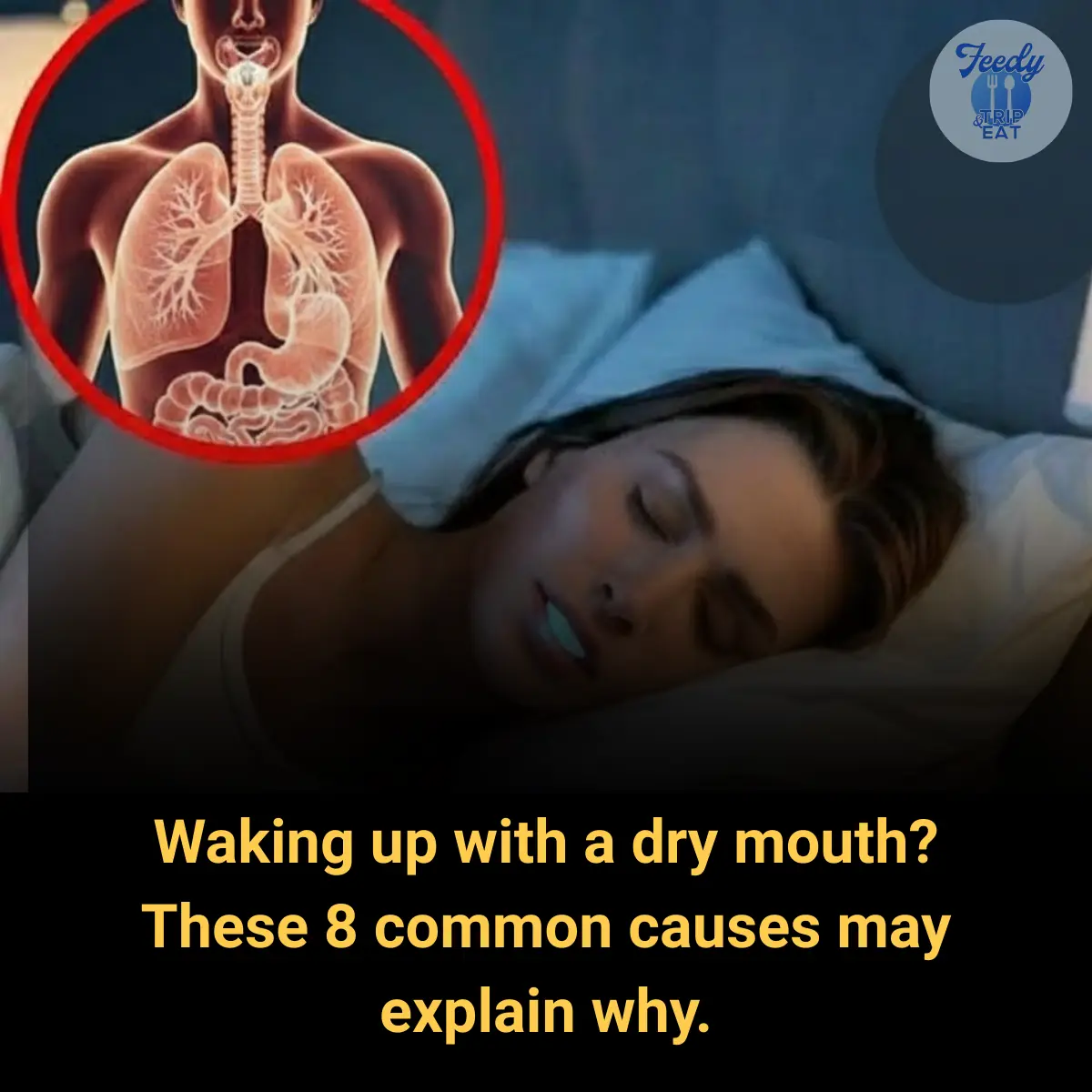
Dry mouth (also called xerostomia) happens when your body doesn’t produce enough saliva. Saliva isn’t just for comfort—it helps with digestion, protects teeth, and prevents bacteria from building up. When it decreases, you may notice:
-
A dry, sticky feeling in the mouth
-
Sore throat or hoarseness
-
Bad breath
-
Cracked lips
-
Trouble swallowing
-
Increased tooth decay
So, what’s causing it while you sleep?
8 Common Causes of Dry Mouth at Night
1) Mouth Breathing While Sleeping
One of the most common reasons people wake up with dry mouth is sleeping with the mouth open. When air flows through the mouth for hours, moisture evaporates quickly—leaving you dry by morning.
Tip: If you wake up with a dry mouth and your nose often feels blocked, mouth breathing could be the cause.
2) Nasal Congestion or Allergies
A blocked nose from allergies, sinus infections, or colds forces you to breathe through your mouth. Chronic congestion can lead to long-term nighttime dryness.
Common triggers include:
-
Seasonal allergies
-
Dust mites
-
Sinusitis
-
Deviated septum
3) Dehydration
Not drinking enough fluids throughout the day can reduce saliva production at night. Dehydration is more likely if you:
-
Exercise heavily
-
Live in a hot climate
-
Drink alcohol
-
Consume too much caffeine
-
Sweat a lot during sleep
4) Dry Air in the Bedroom
If your room is too dry—especially with air conditioning or winter heating—your mouth and throat can dry out quickly.
Quick fix: Use a humidifier or place a bowl of water near your bed.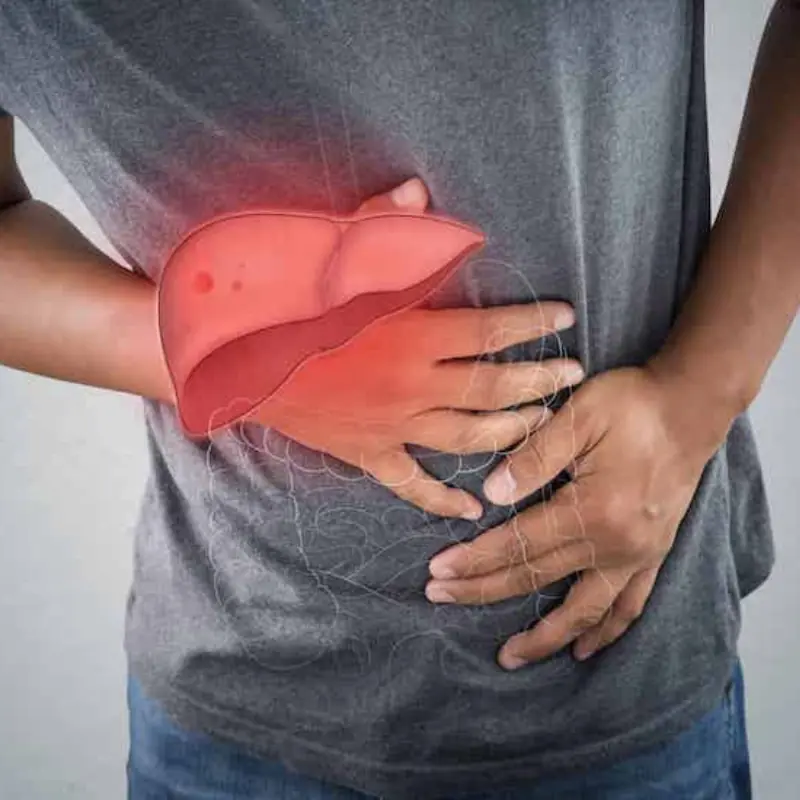
5) Medications That Reduce Saliva
Many medications list dry mouth as a side effect. The most common include:
-
Antihistamines
-
Antidepressants
-
Blood pressure medications
-
Decongestants
-
Pain relievers
If your dry mouth began after starting a new medicine, this may be a key clue.
6) Sleep Apnea
Obstructive sleep apnea often causes loud snoring, disrupted sleep, and mouth breathing. People with sleep apnea frequently wake up with dry mouth because airflow is blocked and breathing becomes shallow or forced.
Warning signs:
-
Loud snoring
-
Choking or gasping during sleep
-
Daytime fatigue
-
Morning headaches
7) Acid Reflux (GERD)
Nighttime reflux can irritate the throat and reduce saliva flow. Acid reflux can also cause a bitter taste, cough, and burning sensation.
Dry mouth may get worse if you eat late or lie down right after meals.
8) Smoking or Alcohol Use
Both smoking and alcohol irritate the mouth and reduce saliva. Alcohol also dehydrates the body, making it harder to stay hydrated overnight.
When to Worry About Dry Mouth at Night
Occasional dry mouth is common. But if it’s happening regularly, it may increase your risk of:
-
Cavities and gum disease
-
Oral infections
-
Mouth sores
-
Difficulty swallowing
See a doctor or dentist if you have dry mouth along with:
-
Trouble breathing at night
-
Ongoing fatigue
-
Persistent sore throat
-
Sudden increase in thirst or urination
-
Burning mouth sensation
How to Prevent Waking Up With a Dry Mouth
Try these simple strategies:
✅ Drink water throughout the day
✅ Avoid alcohol and caffeine at night
✅ Use a humidifier
✅ Treat allergies or nasal congestion
✅ Brush and floss regularly
✅ Ask your doctor about medication alternatives