Frequent Mouth Ulcers in Winter: Don’t Ignore Them, as They May Signal Serious Health Issues
Mouth ulcers are usually benign, but in some cases they can be symptoms of underlying medical conditions.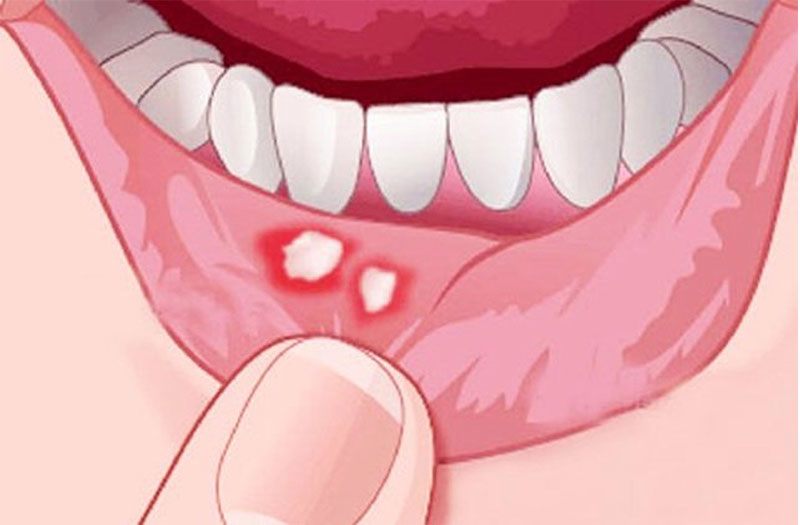
Mouth ulcers are small, painful sores that develop inside the mouth and are quite common. Although they are often harmless, they can significantly affect eating, speaking, and daily comfort. When mouth ulcers persist or become severe, they may indicate underlying health problems such as inflammatory bowel disease (IBD) or autoimmune disorders. Gentle oral care, a balanced diet, and effective stress management are key to preventing and easing symptoms.
Moreover, understanding the causes and contributing factors is essential for reducing discomfort and protecting both oral health and overall well-being.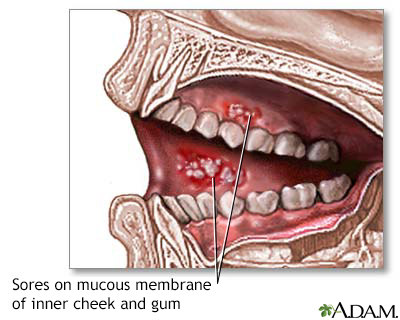
Causes of Mouth Ulcers
Mouth ulcers can occur after even minor injuries to the oral tissues. These injuries may result from accidentally biting the inside of the mouth, dental procedures, or sports-related trauma. Irritation from orthodontic appliances, brushing too hard, or using toothpaste and mouthwash containing sodium lauryl sulfate (SLS) can also trigger ulcers.
Reactions to acidic foods and drinks—such as citrus fruits, pineapple, strawberries, coffee, or chocolate—may worsen existing ulcers. In addition, stress and lack of sleep can increase susceptibility to mouth ulcers.
Deficiencies in certain essential nutrients can weaken oral tissues, leading to frequent ulcers. Adequate intake of folic acid (vitamin B9), vitamin B12, zinc, and iron is important, as deficiencies in these nutrients increase the risk of mouth ulcers. A healthy diet or appropriate supplementation can significantly reduce their severity or frequency.
Serious Health Conditions Linked to Mouth Ulcers
While most mouth ulcers are uncomplicated and benign, some may be signs of underlying health conditions, including:
-
Digestive disorders
-
Inflammatory bowel disease (IBD), including ulcerative colitis
-
Metabolic disorders such as diabetes, which can cause recurrent mouth ulcers
-
Viral infections such as HIV
-
Autoimmune diseases, including lupus, oral lichen planus, and Behçet’s disease—a rare condition characterized by inflammation of blood vessels
Who Is at Higher Risk?
Certain groups are more prone to mouth ulcers. Women tend to experience them more often due to hormonal changes related to the menstrual cycle or pregnancy. Children and adolescents are also more susceptible, possibly due to developing immune systems and lifestyle factors. A family history of mouth ulcers increases the risk, suggesting a genetic component. Awareness of these risk factors allows for earlier prevention and treatment.
Prevention and Treatment of Mouth Ulcers
Preventing mouth ulcers involves lifestyle and dietary adjustments, along with stress control, good oral hygiene, adequate hydration, and avoidance of irritating foods or sharp dental surfaces.
-
Practice gentle oral hygiene
-
Avoid products containing SLS
-
Manage stress effectively
-
Maintain a balanced, nutrient-rich diet
Identifying food sensitivities and limiting acidic or irritating foods can also help prevent ulcers. People who experience recurrent or worsening mouth ulcers should seek medical evaluation to determine whether there is an underlying health condition and to receive appropriate treatment.
Although mouth ulcers are common, they can serve as warning signs of overall health issues. The best way to manage discomfort is to recognize and avoid triggers, maintain proper oral care, and address any nutritional deficiencies.