Waking up and feeling a sharp pain in your heel—especially during your first steps—can be alarming. The same goes for heel soreness that flares up after you’ve been standing or walking for a long time. If this sounds familiar, you’re not alone. Heel pain is one of the most common foot complaints, and in many cases, it’s your body’s way of warning you that something in your foot mechanics, muscles, or soft tissues needs attention.
In this article, we’ll explain the most common causes of morning heel pain, what it means when the pain gets worse after standing, and what you can do to find relief.
Why Your Heel Hurts When You Wake Up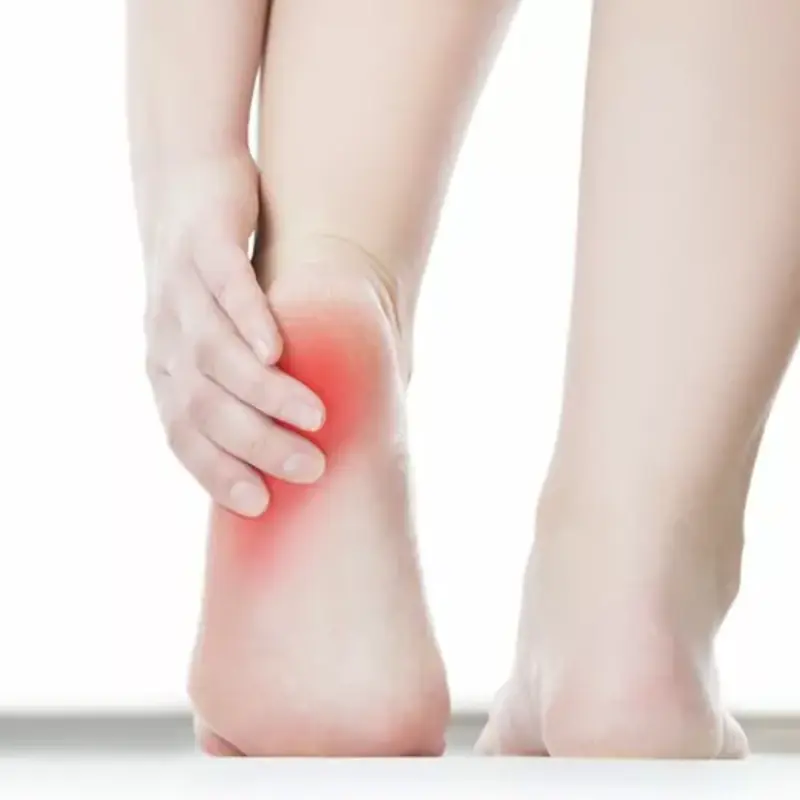
If your heel pain is strongest first thing in the morning, one of the most likely causes is plantar fasciitis.
1. Plantar Fasciitis (Most Common Cause)
The plantar fascia is a thick band of tissue that runs along the bottom of your foot from the heel bone to your toes. When it becomes irritated or inflamed, it can cause:
-
Sharp heel pain when you take your first steps
-
Pain that improves after walking a bit
-
Pain that returns after long periods of standing
This happens because your plantar fascia tightens while you sleep. When you stand up, it stretches suddenly—creating that stabbing sensation.
Heel Pain After Standing for a Long Time: What It Means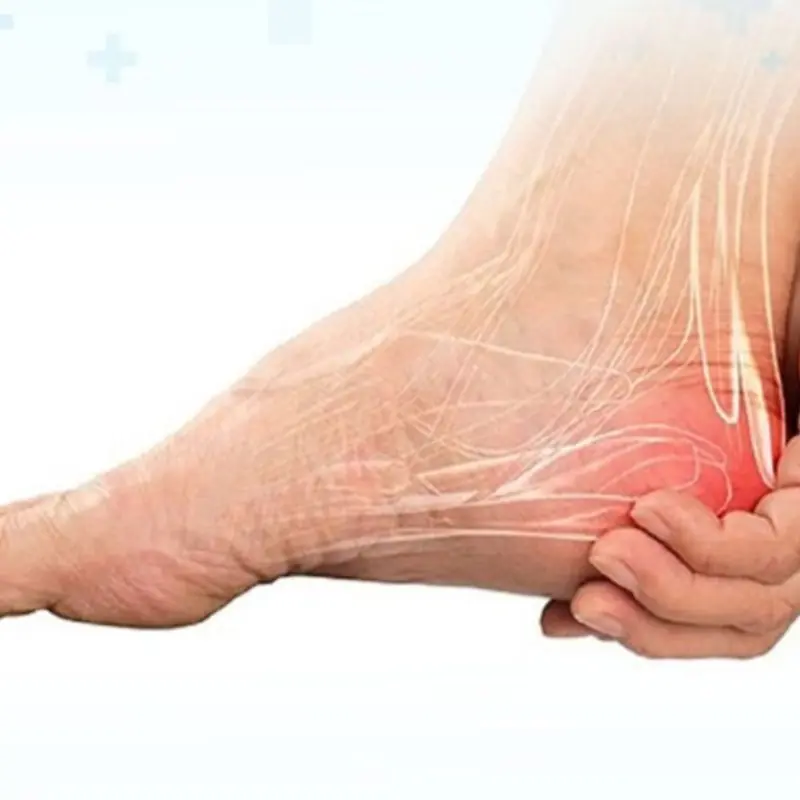
If your heel hurts more after long standing, your foot may be dealing with overuse, poor support, or repetitive strain.
2. Heel Pad Syndrome
Your heel has a natural “fat pad” that cushions impact when walking. Over time—especially in older adults or people who walk barefoot often—that cushioning can thin out. The result is:
-
Deep, bruised-like heel pain
-
Soreness after long standing
-
Pain when walking on hard surfaces
Other Common Causes of Heel Pain
Not all heel pain is plantar fasciitis. Here are other conditions that can mimic it:
3. Achilles Tendinitis
The Achilles tendon attaches your calf muscle to your heel. If it becomes inflamed, you may feel:
-
Pain at the back of the heel
-
Stiffness in the morning
-
Worsening pain after exercise or standing
4. Heel Spurs
A heel spur is a bony growth that can form over time due to repeated strain. Some people don’t feel them at all, but others experience:
-
Sharp pain with pressure
-
Discomfort when walking
-
Pain alongside plantar fasciitis
5. Nerve Compression
If you feel tingling, burning, or numbness in addition to heel pain, it may be related to nerve irritation—such as tarsal tunnel syndrome.
What Causes These Conditions?
Heel pain usually doesn’t happen for no reason. Common risk factors include:
-
Wearing unsupportive shoes (especially flat sandals)
-
Standing for long hours on hard floors
-
Tight calf muscles
-
Being overweight (extra heel pressure)
-
Sudden increase in walking, running, or exercise
-
High arches or flat feet
How to Relieve Heel Pain (Fast and Safe Options)
If your symptoms are mild to moderate, these strategies can help:
✅ 1. Stretch Your Calves and Plantar Fascia
Stretching improves flexibility and reduces tissue strain. Try:
-
Calf stretch against the wall
-
Towel stretch before getting out of bed
-
Rolling the foot over a frozen bottle
✅ 2. Wear Supportive Shoes
Avoid walking barefoot on tile or hardwood floors. Look for:
-
Arch support
-
Cushioned heel
-
Shock absorption
✅ 3. Use Ice
Apply ice for 15–20 minutes after standing or walking.
✅ 4. Try Orthotic Inserts
Shoe inserts can help correct foot alignment and reduce heel pressure.