Waking up suddenly with a tight, painful spasm in your calf or foot can feel terrifying—especially when it happens repeatedly. Night leg cramps are a common issue that affects many adults, and while they’re usually harmless, they can seriously disrupt sleep, reduce quality of life, and signal that your body needs attention. The good news? Once you understand the common reasons for leg cramps at night, you can take simple, effective steps to prevent them.
In this article, we’ll break down what causes nighttime leg cramps and the best ways to stop them before they start.
What Are Night Leg Cramps?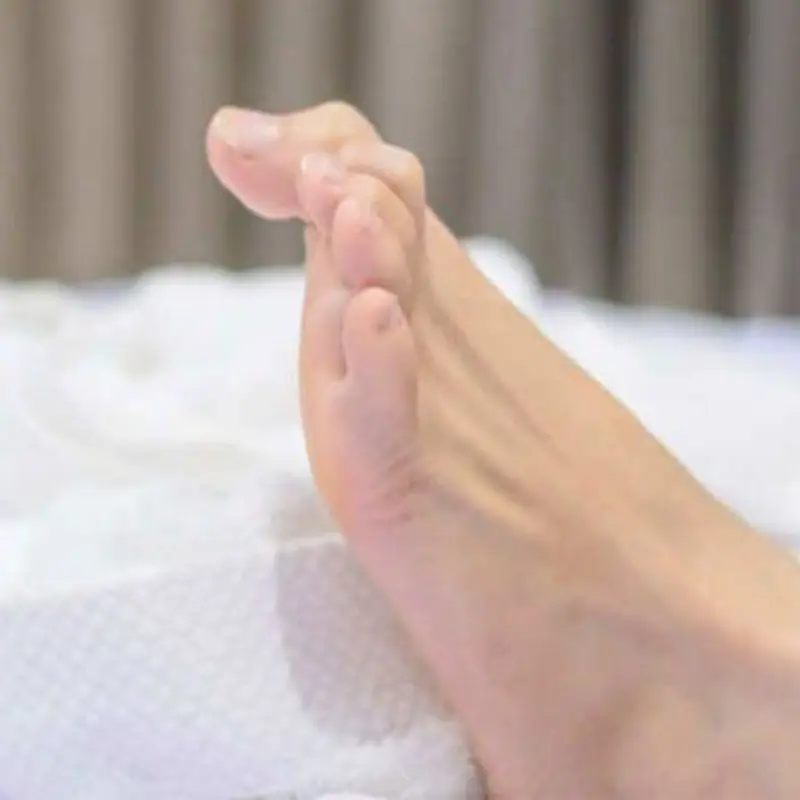
Night leg cramps are sudden, involuntary muscle contractions—usually in the calf, foot, or thigh—that occur during rest or sleep. The pain can last from a few seconds to several minutes, and tenderness may linger afterward. Unlike restless legs syndrome, which causes an urge to move, cramps involve a strong, painful tightening of the muscle.
Common Causes of Leg Cramps at Night
1. Muscle Fatigue or Overuse
If you stand for long hours, walk a lot, exercise intensely, or use certain muscles repeatedly, your legs may cramp while your body relaxes at night. Muscles that are overworked can become more prone to spasms.
Tip: Balance activity with stretching and recovery.
2. Dehydration
Even mild dehydration can trigger muscle cramps. When fluid levels drop, the body may struggle to keep muscles functioning smoothly.
Signs you might be dehydrated: dark urine, thirst, headaches, dry mouth, or fatigue.
3. Electrolyte Imbalances
Electrolytes like magnesium, potassium, calcium, and sodium help nerves and muscles work properly. Low levels—especially from sweating, poor diet, or certain health conditions—may lead to cramping at night.
4. Poor Circulation
Reduced blood flow to the legs can increase cramp frequency. This is more common in people who sit for long periods, smoke, or have vascular problems.
5. Pregnancy
Leg cramps often appear during pregnancy, particularly in the second and third trimesters. Hormone changes, increased weight, and circulation changes may all contribute.
6. Medications
Some medications can trigger leg cramps, including:
-
diuretics (water pills)
-
statins (cholesterol drugs)
-
certain asthma treatments
-
blood pressure medicines
If cramps start after a new medication, talk to a healthcare provider—don’t stop it on your own.
7. Underlying Health Conditions
Frequent nighttime cramps may be linked to:
-
diabetes
-
thyroid disorders
-
kidney disease
-
nerve damage
-
liver disease
If cramps occur often and are severe, it’s worth checking for an underlying cause.
Best Ways to Prevent Night Leg Cramps
✅ 1. Stretch Before Bed
A simple calf stretch for 30–60 seconds can reduce nighttime cramps. Stretching improves muscle flexibility and lowers spasm risk.
Quick stretch: Stand facing a wall, step one foot back, keep heel down, and lean forward.
✅ 2. Stay Hydrated (But Smartly)
Drink enough water throughout the day, especially if you sweat or work in hot environments. Avoid chugging large amounts right before bed if it disrupts sleep.
✅ 3. Improve Mineral Intake
Eat foods rich in magnesium and potassium:
-
bananas, avocados
-
leafy greens
-
nuts and seeds
-
beans
-
yogurt
If you suspect deficiency, ask a doctor before starting supplements.
✅ 4. Adjust Sleep Position
Sleeping with your toes pointed downward can increase cramp risk. Try sleeping on your back and keeping your feet neutral. Some people benefit from loosening blankets or using a pillow to support the legs.
✅ 5. Warm Up Muscles
A warm shower before bed, a heating pad, or a warm towel on the calf can relax muscles and reduce cramp frequency.
✅ 6. Light Exercise During the Day
Daily walking or gentle leg exercises improves circulation and reduces muscle stiffness. Avoid intense workouts too close to bedtime if you cramp often.
What to Do During a Leg Cramp (Fast Relief)
If a cramp strikes:
-
Stretch the muscle immediately (flex foot upward toward the shin).
-
Massage the tight area.
-
Stand and walk if possible.
-
Apply heat to relax or ice to reduce soreness afterward.
When to See a Doctor
Seek medical advice if:
-
cramps happen frequently (several times a week)
-
pain is severe or lasts long
-
you notice swelling, redness, numbness, or weakness
-
cramps started after medication changes
-
you have diabetes, kidney disease, or circulation problems
Final Thoughts
Night leg cramps are common—but they don’t have to control your sleep. By improving hydration, stretching, balancing minerals, and supporting circulation, most people can dramatically reduce cramps and wake up feeling rested. If the cramps persist, don’t ignore them—your body may be signaling something that needs medical attention.