If you’ve ever wondered whether the bathroom door should stay open or closed when not in use, you’re not alone. Many households have strong habits—some people always leave it open for airflow, while others automatically shut it for hygiene. But according to cleaning experts and indoor air specialists, the “right” answer depends on one major factor: moisture control.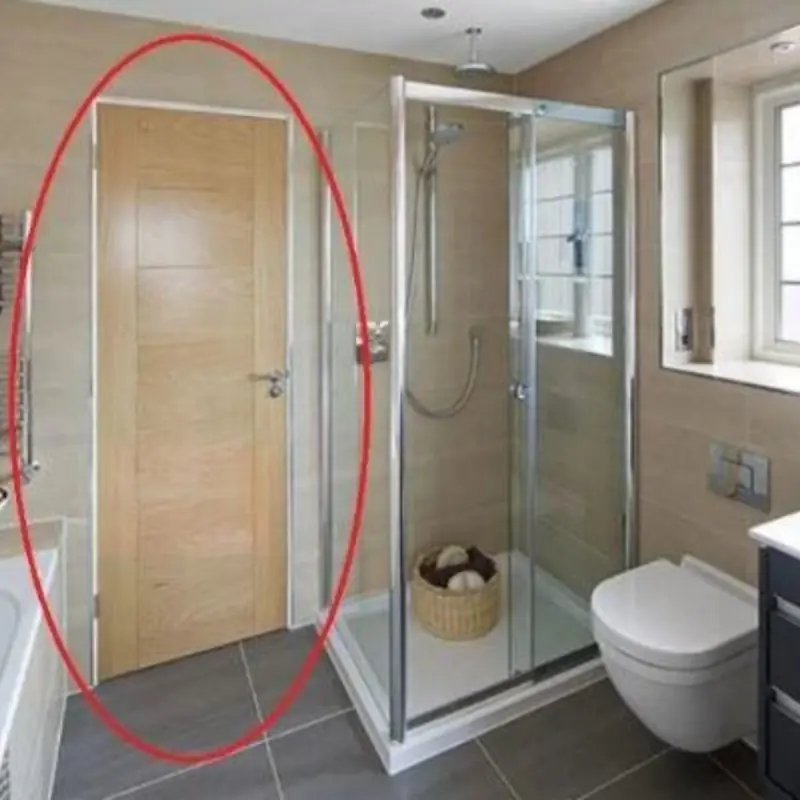
Bathrooms create a perfect environment for mold, mildew, bacteria, and unpleasant odors. What you do with the door after showering or using the toilet can actually affect your home’s air quality, cleanliness, and even your health. So, should you keep the bathroom door open or shut? Let’s break down what matters most—and when each option makes sense.
Why Bathroom Doors Matter More Than You Think
Bathrooms are usually the smallest rooms in a home, which means humidity builds up quickly. When steam stays trapped, moisture clings to walls, mirrors, towels, and grout. That’s how mold begins.
Leaving the door open might feel like a good solution, but it can also spread humidity into bedrooms and hallways—especially if ventilation is weak. Over time, that extra moisture may lead to:
-
Mold growth on walls and ceilings
-
Musty odors throughout the house
-
Dust mite growth (which thrives in humidity)
-
Damage to paint, wood, and flooring
This is why the “door open vs. closed” debate isn’t just about preference—it’s about keeping your home healthier.
When You Should Keep the Bathroom Door CLOSED
If your bathroom has a working exhaust fan or window ventilation, closing the door after showering is often the best choice. Here’s why:
✅ It traps humidity where it belongs
When the door is closed and the fan is running, moisture gets pulled out more efficiently. If the door is open, the fan may pull air from the hallway instead of extracting steam properly.
✅ It reduces mold risk in other rooms
Open doors allow moisture to travel. That can cause mold in closets, bedrooms, or behind furniture.
Best practice: Keep the door closed for 15–30 minutes after showering while the fan runs. This helps remove moisture faster.
When You Should Keep the Bathroom Door OPEN
There are situations where leaving the door open is actually better—especially if ventilation is poor.
✅ If you don’t have an exhaust fan
Without airflow, humidity sits in the room. In that case, opening the door helps disperse moisture so it doesn’t cling to walls and surfaces for hours.
✅ If your bathroom stays damp all day
A constantly damp bathroom can develop mildew in towels, shower curtains, and corners. Leaving the door open can improve airflow and reduce lingering dampness.
Tip: If you leave the door open, also open a nearby window or run a dehumidifier for best results.
Hygiene Tip: Always Close the Lid Before Flushing
Even if the bathroom door debate isn’t settled in your home, there’s one hygiene rule experts agree on: close the toilet lid before you flush.
Flushing can spray tiny droplets into the air (sometimes called “toilet plume”), which may land on toothbrushes, towels, and counters. Keeping the lid down helps reduce germ spread and keeps surfaces cleaner.
The Best “Correct” Answer (Simple Rule)
So what’s the most practical rule?
✅ After showering: Door closed + fan on
This keeps moisture contained and removes humidity efficiently.
✅ After using the toilet (no shower): Either is fine
But keeping the door closed can help contain odors—especially if ventilation is good.
✅ If ventilation is weak: Door open
Let airflow prevent trapped humidity and mildew buildup.