Why Do Dogs Bark and Bite Some People but Not Others? There’s Always a Reason
Have you ever noticed that a dog may bark aggressively at one person while completely ignoring another? Even more puzzling, some people seem to be bitten by dogs repeatedly, while others are never bothered at all. This behavior is not random. Dogs react based on instinct, perception, and past experience, not personal preference.
Understanding why dogs single out certain people can help prevent dangerous encounters and improve human–animal interactions.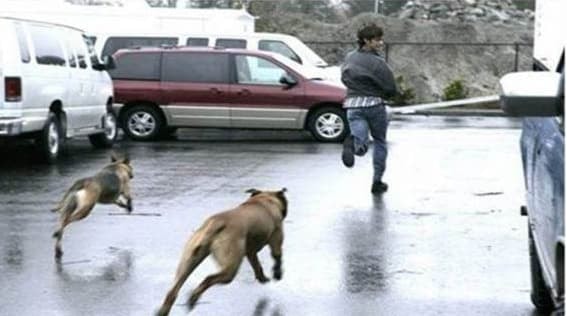
Dogs Don’t Think Like Humans
Dogs do not judge people by character, kindness, or intention. Instead, they rely on:
-
Body language
-
Tone of voice
-
Movement patterns
-
Smell
-
Past memories
What feels harmless to a human may feel threatening or confusing to a dog.
1. Body Language Sends Powerful Signals to Dogs
Dogs are experts at reading posture and movement.
Behaviors dogs may see as threatening
-
Direct eye contact
-
Standing tall and stiff
-
Sudden movements
-
Reaching toward the dog’s head
Even friendly gestures can be misinterpreted. For example, leaning over a dog may feel like a dominance display rather than affection.
People who naturally move calmly and avoid direct staring are less likely to trigger defensive behavior.
2. Fear Is Easily Detected—and It Changes Dog Behavior
Dogs are extremely sensitive to fear.
How fear affects interactions
-
Fear alters posture and muscle tension
-
Nervous movements appear unpredictable
-
Elevated heart rate and breathing are noticeable
A dog may interpret fear as:
-
Weakness
-
Uncertainty
-
Or a sign that something is wrong
This does not mean dogs are “cruel,” but rather that fear creates confusing signals, increasing the chance of barking or biting.
3. Scent Plays a Bigger Role Than Most People Realize
Dogs experience the world primarily through smell.
They may react to:
-
Strong perfumes or colognes
-
Alcohol or tobacco odors
-
Sweat and stress hormones
-
The scent of other animals
Certain smells can trigger curiosity, alarm, or aggression—especially if a dog associates that scent with a past negative experience.
4. Dogs Remember Past Experiences With Certain “Types” of People
Dogs have excellent associative memory.
If a dog was previously:
-
Kicked by a jogger
-
Yelled at by a man with a hat
-
Hurt by someone wearing a uniform
it may react aggressively toward people who look or move similarly, even if they pose no threat.
This explains why a dog may bark at one runner but ignore another standing nearby.
5. Fast or Unpredictable Movement Can Trigger Instinct
Dogs are descendants of predators. Rapid movement can activate instinctive responses.
High-risk situations
-
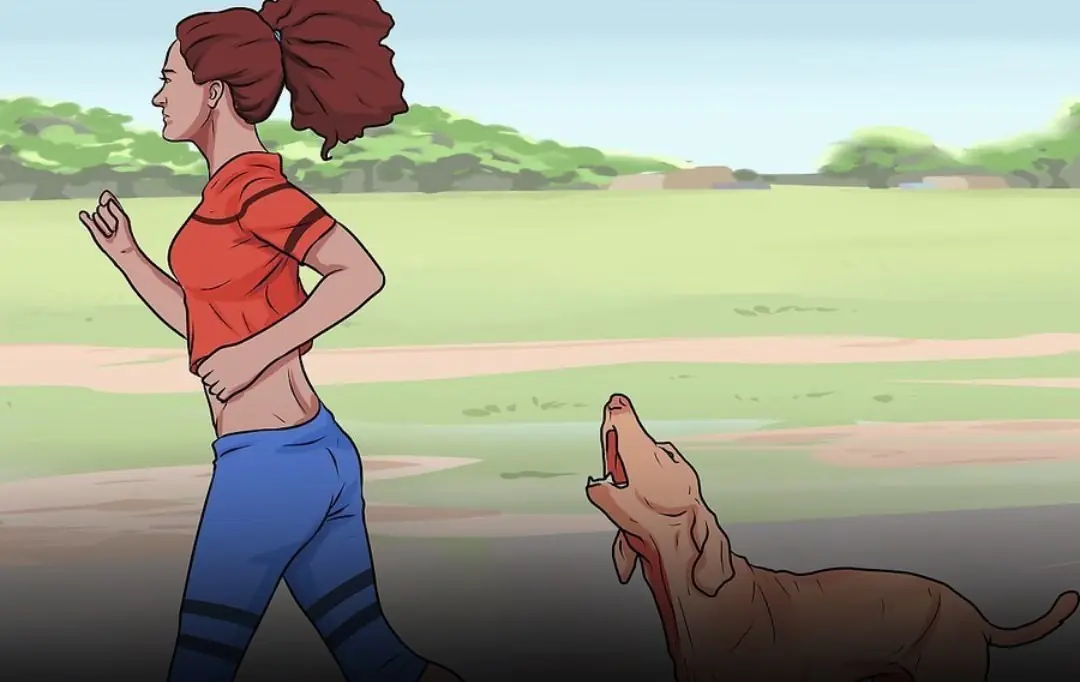
Jogging or cycling past a dog
-
Running away suddenly
-
Waving arms or shouting
To a dog, fast movement may resemble prey behavior or a challenge, increasing the chance of chasing or biting.
6. Territorial Instincts Are Stronger Than You Think\
Dogs are naturally territorial.
They are more likely to bark or bite when:
-
Someone enters their perceived space
-
A stranger approaches their owner
-
The dog feels responsible for guarding
Even normally calm dogs may react aggressively if they believe their territory is being threatened.
7. Some People Unknowingly Provoke Dogs
Without realizing it, people may:
-
Smile while showing teeth (which dogs may see as a threat)
-
Pat a dog on the head instead of the side or chest
-
Hug a dog tightly
-
Corner a dog with no escape route
Dogs rely on space to feel safe. Removing that sense of escape increases defensive reactions.
Why Some People Are Rarely Targeted
People who are rarely barked at or bitten often:
-
Move calmly and predictably
-
Avoid direct eye contact
-
Maintain relaxed posture
-
Ignore dogs instead of engaging
These behaviors signal neutrality, which dogs generally respect.
What to Do If a Dog Approaches You Aggressively
Do
-
Stay still and calm
-
Keep arms close to your body
-
Avoid eye contact
-
Speak softly or not at all
Do NOT
-
Run
-
Scream
-
Wave your arms
-
Stare directly at the dog
Calm behavior reduces perceived threat.
Are Dogs “Bad” for Biting?
Most animal behavior experts agree:
-
Dogs bite out of fear, confusion, or protection
-
Aggression is usually a last resort
-
Warning signs (growling, stiff posture) are often ignored
Understanding these signals can prevent injury.
How Owners Can Reduce Aggressive Behavior
Responsible ownership plays a huge role.
Experts recommend:
-
Early socialization
-
Obedience training
-
Avoiding punishment-based training
-
Proper containment in public spaces
Well-trained dogs are far less likely to bite.
Final Thoughts
Dogs do not choose victims randomly. Their behavior is shaped by instinct, experience, and perception. When a dog barks or bites one person but not another, it is reacting to signals that humans often overlook.