Cervical cancer remains one of the most preventable yet serious cancers affecting women worldwide. In many cases, the disease develops silently for years, showing few early symptoms. While most people know that HPV (human papillomavirus) is the leading cause, fewer realize that certain intimate habits in men can increase a woman’s exposure to HPV and other infections that may raise the risk of cervical cancer.
Health experts emphasize that cervical cancer isn’t simply a “woman’s issue.” Prevention often requires awareness and responsibility from both partners. Below are three intimate habits in men that may increase a woman’s risk — and what couples can do to protect long-term health.
1) Unprotected Sex With Multiple Partners
One of the biggest risk factors linked to cervical cancer is HPV infection, and HPV is primarily spread through sexual contact. Men who have had multiple partners — especially without consistent protection — may unknowingly carry HPV and transmit it to their current partner.
The challenge is that HPV often has no symptoms in men or women. A person can spread it without realizing they’re infected. Over time, persistent high-risk HPV strains may lead to abnormal cervical cell changes, which can progress into cervical cancer if not detected early.
✅ What to do:
-
Use protection consistently, especially in new relationships
-
Consider HPV vaccination (recommended for many adults, depending on age and medical guidance)
-
Encourage regular screening such as Pap tests and HPV tests
2) Poor Intimate Hygiene
Although hygiene alone does not “cause” cervical cancer, poor intimate hygiene can increase the likelihood of bacterial infections and inflammation, which may create an unhealthy environment in the reproductive tract.
Some studies suggest that long-term inflammation, repeated irritation, or untreated infections may play a role in worsening cervical health, especially when combined with HPV. Poor hygiene, not washing properly, or ignoring genital irritation can also raise the risk of spreading infections between partners.
✅ What to do:
-
Practice proper daily hygiene
-
Seek medical advice for unusual odor, discharge, itching, or pain
-
Avoid harsh soaps or chemical products that irritate the skin
3) Ignoring STI Symptoms or Refusing Testing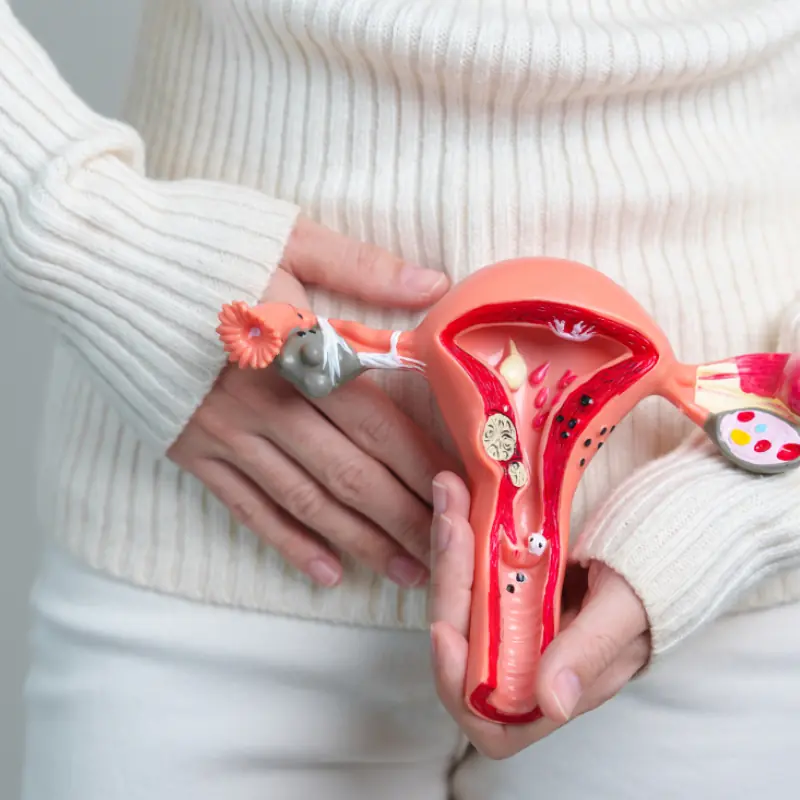
Another risky behavior is continuing sexual activity while ignoring symptoms of sexually transmitted infections (STIs), such as unusual discharge, discomfort, sores, or burning.
Some STIs — including chlamydia — may not cause obvious symptoms in men, but they can still be passed to women and contribute to chronic inflammation. When infections go untreated, they may increase vulnerability to HPV persistence and cervical cell changes.
✅ What to do:
-
Get tested regularly if sexually active, especially when changing partners
-
Do not ignore symptoms or delay treatment
-
Have honest conversations about sexual health and safety
Why This Matters: Cervical Cancer Can Be Prevented
The good news is that cervical cancer is one of the most preventable cancers through:
-
HPV vaccination
-
Routine Pap smears and HPV tests
-
Safe sex practices
-
Early treatment of abnormal cervical changes
Early detection saves lives. Many women diagnosed in the early stages respond well to treatment, while late detection increases the risk of serious complications.
When to See a Doctor
Women should seek medical attention if they experience:
-
Bleeding after sex
-
Unusual vaginal discharge
-
Pelvic pain
-
Pain during intercourse
Men should also seek testing if they notice genital symptoms, or if their partner is diagnosed with HPV-related abnormalities.
Final Takeaway
Cervical cancer prevention involves both partners. If men improve intimate health habits, practice safer sex, and support regular screenings, women can significantly reduce their risk. Awareness today can prevent tragedy tomorrow.
Disclaimer: This article is for general health information and does not replace medical advice. Always consult a qualified healthcare provider for diagnosis or treatment.