7 Signs of Female Hormonal Imbalance Every Woman Should Know
Causes, Symptoms, and Practical Solutions
Hormones quietly regulate almost every system in a woman’s body—from mood and metabolism to fertility and sleep. When they are balanced, the body feels stable and resilient. When they are not, the signals can appear slowly, often disguised as “normal stress” or “just getting older.”
The image above highlights an important truth: hormonal imbalance is common, but it is not something to ignore. Recognizing the signs early allows women to take action before symptoms begin to affect long-term health.
What Is Hormonal Imbalance?
Female hormonal imbalance suggests that key hormones—such as estrogen, progesterone, cortisol, insulin, or thyroid hormones—are either too high or too low relative to the body’s needs.
Common contributing factors include:
-
Chronic stress
-
Poor sleep
-
Nutritional deficiencies
-
Rapid weight changes
-
Polycystic ovary syndrome (PCOS)
-
Thyroid disorders
-
Perimenopause or menopause
Hormonal shifts are natural, but persistent imbalance is not.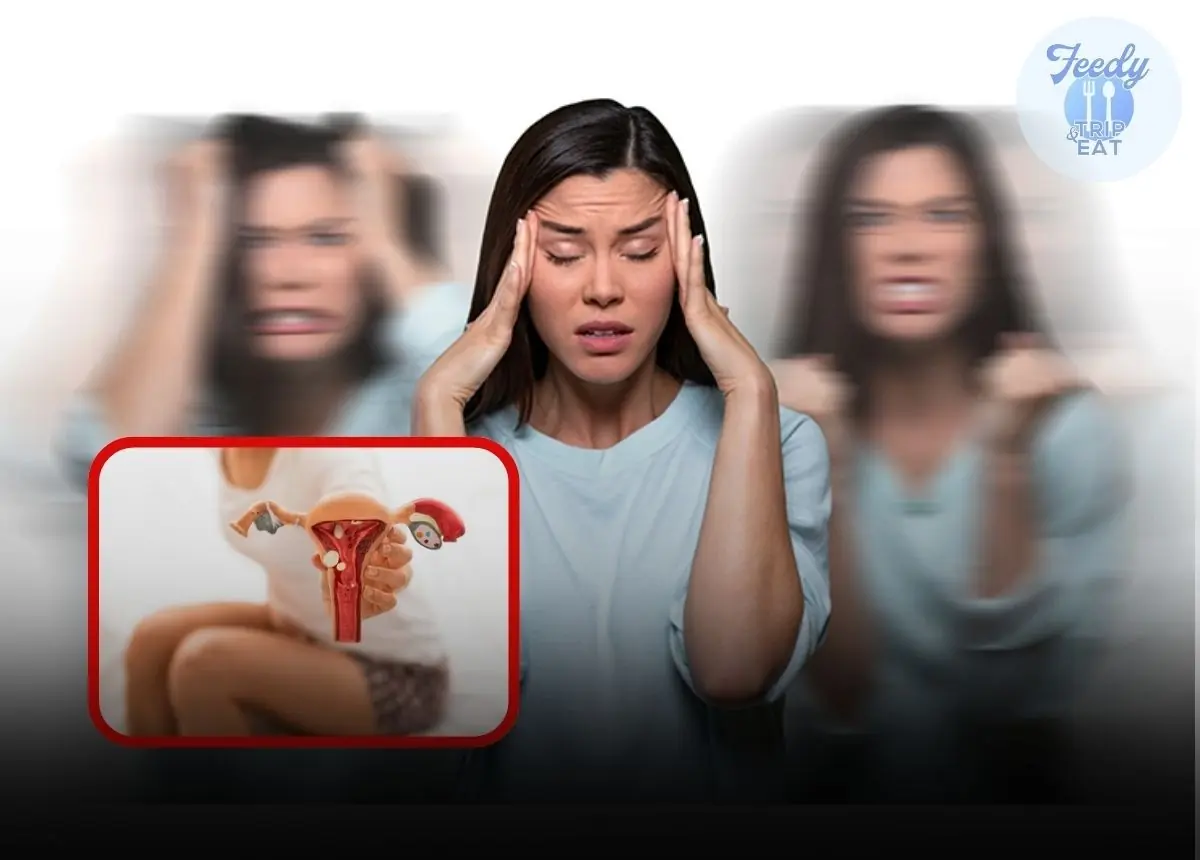
1. Irregular or Missed Periods
One of the earliest and most noticeable signs is a change in the menstrual cycle.
Possible patterns:
-
Skipped periods
-
Cycles shorter than 21 days or longer than 35 days
-
Extremely heavy or very light bleeding
These changes often signal disruptions in estrogen, progesterone, or ovulation.
2. Mood Swings, Anxiety, or Depression
Hormones have a direct impact on brain chemistry. When levels fluctuate, emotional regulation can become difficult.
Warning signs include:
-
Sudden irritability
-
Anxiety without a clear trigger
-
Low mood or emotional numbness
-
Feeling overwhelmed easily
These symptoms are often linked to estrogen imbalance, cortisol dysregulation, or thyroid issues.
3. Persistent Fatigue and Low Energy
Feeling tired occasionally is normal. Feeling exhausted most days is not.
Hormonal fatigue often feels like:
-
Waking up tired despite adequate sleep
-
Needing caffeine to function
-
Low motivation and mental fog
Imbalances involving cortisol, thyroid hormones, or insulin are common contributors.
4. Unexplained Weight Gain or Difficulty Losing Weight
Hormones regulate metabolism, appetite, and fat storage. When they are disrupted, weight changes may occur even without dietary changes.
Common patterns:
-
Weight gain around the abdomen or hips
-
Difficulty losing weight despite effort
-
Cravings for sugar or carbohydrates
Insulin resistance, estrogen dominance, or thyroid imbalance may be involved.
5. Skin Problems and Hair Changes
The skin and hair are highly sensitive to hormonal shifts.
Possible signs include:
-
Adult acne or persistent breakouts
-
Hair thinning or hair loss
-
Excess facial or body hair
-
Dry, dull skin
These symptoms are often associated with androgen imbalance, estrogen fluctuations, or thyroid dysfunction.
6. Sleep Problems
Hormones play a crucial role in sleep quality. When they are imbalanced, rest becomes disrupted.
Common complaints:
-
Difficulty falling asleep
-
Waking frequently during the night
-
Early morning awakening
-
Night sweats
Low progesterone, high cortisol, or estrogen fluctuations are common causes.
7. Low Libido and Vaginal Discomfort
Changes in sexual health are often overlooked but can be important signals.
Signs include:
-
Reduced sexual desire
-
Vaginal dryness
-
Discomfort during intimacy
These symptoms may be linked to declining estrogen levels, especially during perimenopause or menopause.
Why Hormonal Imbalance Is Often Missed
Many women normalize these symptoms, assuming they are part of a busy life. Others are told symptoms are “just stress.” As a result, imbalance can persist for years without proper evaluation.
Hormonal issues are not just about reproduction—they affect the entire body.
Practical Steps Toward Balance
While medical evaluation is essential for diagnosis, daily habits play a major role in restoring balance.
Supportive steps include:
-
Prioritizing quality sleep
-
Managing stress consistently
-
Eating balanced meals with adequate protein and healthy fats
-
Avoiding extreme dieting
-
Staying physically active without overtraining
-
Seeking medical testing when symptoms persist
Hormonal balance is built gradually, not overnight.
When to See a Healthcare Professional
Medical advice should be sought if symptoms:
-
Persist for several months
-
Interfere with daily life
-
Worsen over time
-
Appear suddenly or severely
Blood tests, imaging, and clinical evaluation help identify the underlying cause and guide treatment.
A Final Thought
Hormonal imbalance does not mean something is “wrong” with the body. It means the body is communicating a need for support.
Listening early can prevent long-term complications and restore quality of life.
Awareness is not fear.
It is the first step toward balance.