The Drink Linked to Can.cer Risk: One Glass a Day May Raise the Danger by 90%
Health 28/12/2025 22:13
Many people assume that unusual changes in the mouth are simply caused by poor oral hygiene or tooth decay. However, medical experts warn that some signs appearing in the mouth have nothing to do with cavities. Instead, they may be early warning signals from the body, indicating underlying health problems that should not be ignored.
Among these, two common oral signs are frequently overlooked, even though they may reflect deeper systemic issues.
Occasional mouth ulcers are common and usually harmless. But if ulcers:
Recur frequently
Last longer than two weeks
Are painful or enlarge over time
they may signal nutritional deficiencies, such as a lack of vitamin B12, iron, or folate. In some cases, persistent ulcers can also be associated with immune disorders, gastrointestinal diseases, or more serious conditions that require medical evaluation.
Doctors emphasize that mouth ulcers unrelated to trauma or stress should not be dismissed as “normal.”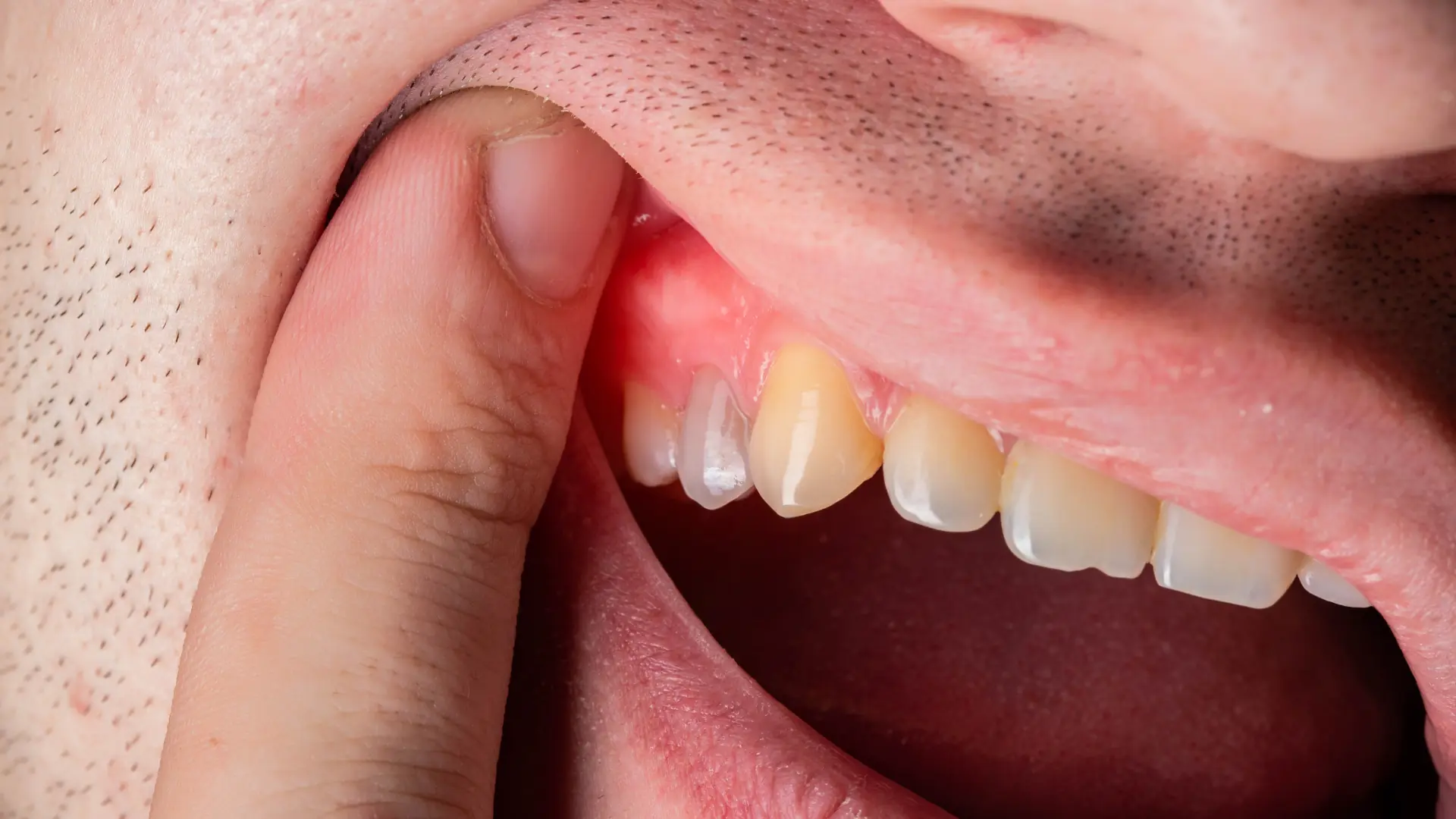
The tongue is often described as a “mirror of internal health.” Warning signs include:
A pale tongue, which may indicate anemia
A deep red or swollen tongue, possibly linked to inflammation or infection
Thick white or yellow coating that persists despite cleaning
Such changes can be associated with digestive disorders, liver problems, infections, or metabolic imbalances. In traditional and modern medicine alike, abnormal tongue appearance is considered an important diagnostic clue.
The mouth is closely connected to the digestive system, immune response, and blood circulation. When internal organs are under stress, the earliest visible signs may appear in the oral cavity — often before other symptoms become obvious.
Ignoring these signals can delay diagnosis and treatment, allowing health problems to worsen silently.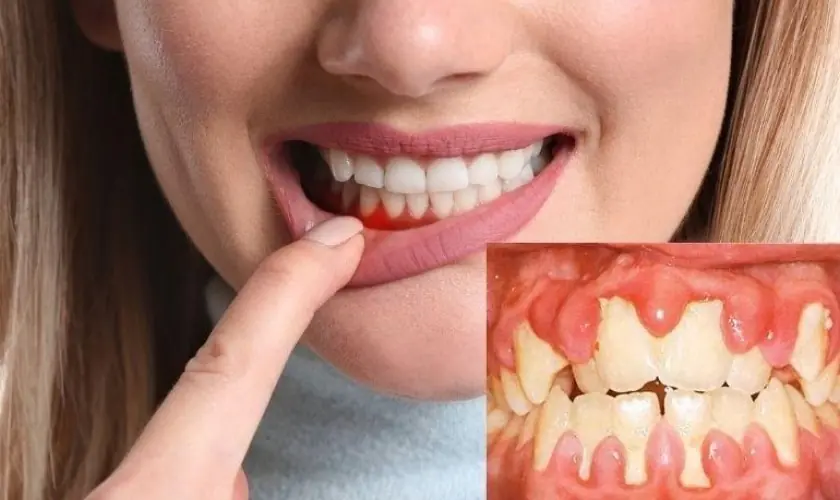
Health professionals recommend seeking medical advice if:
Oral symptoms persist beyond 10–14 days
Symptoms recur frequently without a clear cause
Mouth changes are accompanied by fatigue, weight loss, or pain
Early evaluation can help identify underlying conditions and prevent complications.
Not all mouth problems are caused by cavities or dental issues. Sometimes, they are the body’s way of asking for help. Paying attention to subtle oral changes and acting early could make a critical difference in protecting long-term health.