Many people cook rice every day—but still get it wrong: 4 simple tips for tastier rice and better digestion
Rice is a staple in most Vietnamese households. However, cooking rice that is fragrant, soft, and nutrient-rich isn’t as simple as it seems. Some common habits can unintentionally destroy vitamins and reduce the quality of the rice. Below are four easy but powerful tips that not only improve taste, but are also especially beneficial for digestion.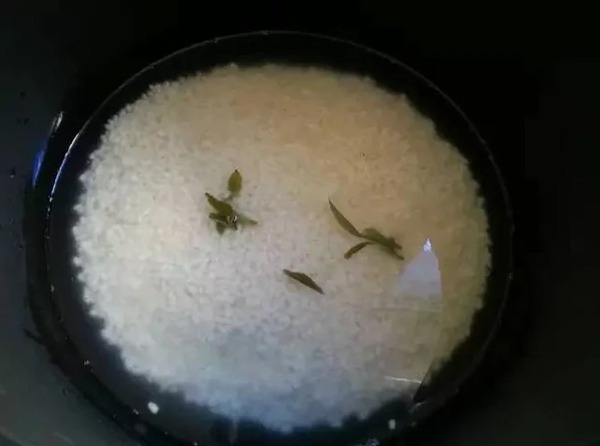
1. Cooking rice with hot water – the right method few people know
Most families use cold water to cook rice. Nutrition experts note that this can cause B vitamins—especially vitamin B1—to be lost during cooking.
Using hot or pre-boiled water helps the rice grains “seal” faster under high heat, reducing nutrient loss. The result is rice that cooks more evenly, smells better, and has a softer, stickier texture.
If you care about preserving nutrients or follow a healthy diet, this is a tip worth using every day.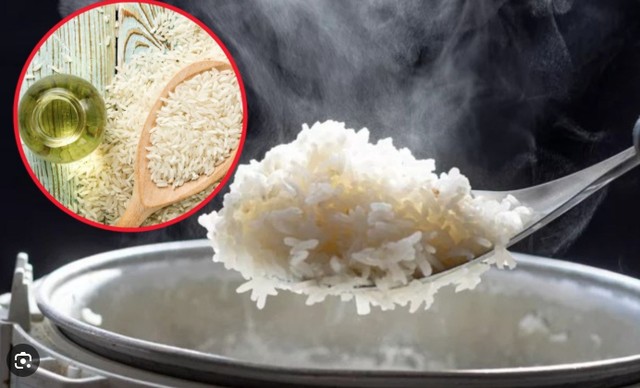
2. Cooking rice with tea water – light, aromatic, and digestion-friendly
In Japan and Korea, some families regularly cook rice with tea. In Vietnam, this method is still uncommon.
How to do it:
-
Steep about 0.5 g of tea leaves in 1 liter of boiling water
-
Let it sit for 5–10 minutes, then strain out the leaves
-
Use the clear tea water to cook rice as usual
Tea-cooked rice has a light golden color, a gentle aroma, and a clean, nutty taste. Tea helps reduce odors, prevent bloating, protect the gut, and support digestion.
It’s ideal for people who prefer light, easy-to-digest meals or want a refreshing change for family meals.
3. Add a little vinegar – whiter rice that spoils more slowly in hot weather
In hot weather, rice spoils easily if left in the cooker too long. To prevent this, add about 2–3 ml of vinegar for every 1.5 kg of rice before cooking.
Vinegar doesn’t affect the flavor. Instead, it makes rice whiter, slightly softer, and helps it stay fresh longer—especially useful in summer or when cooking rice to take away.
It also slows bacterial fermentation, helping rice keep its quality without preservatives.
4. Calcium-rich rice from eggshells – a natural nutrient boost
This traditional tip is surprisingly effective: using eggshells to add natural calcium.
How to prepare:
-
Wash eggshells thoroughly and let them dry
-
Roast until crisp, then grind into a very fine powder
-
Sprinkle a small amount into the rice before cooking
Eggshell powder barely changes the taste but provides natural calcium, which is good for bones and teeth. It’s especially helpful for people with calcium deficiency, growing children, and older adults.
Cooking rice is simple—but cooking it well and nutritiously takes a few smart tricks. With just small changes, you can significantly improve everyday meals, support better digestion, and keep your body healthier.